Banks would distribute it and most merchants would have to accept it, but holding limits and fees remain unsettled as the ECB prepares a 2027 pilot
The European Central Bank (ECB) plans to issue a digital euro as early as 2029. It would be a central bank-issued digital form of cash with legal tender status across the euro area.
However, the ECB cannot make that decision until EU lawmakers adopt the regulation that creates it. The European Parliament voted 416 to 169 in July 2026 to open negotiations with the Council of the EU on the final text, and the institutions aim to agree to it by the end of 2026.
The ECB’s case rests on Europe’s reliance on payment providers headquartered outside the bloc. ECB Executive Board member Piero Cipollone said in October 2026 two-thirds of euro-area card payments run on international schemes and 13 of the 21 euro-area countries have no domestic card network.
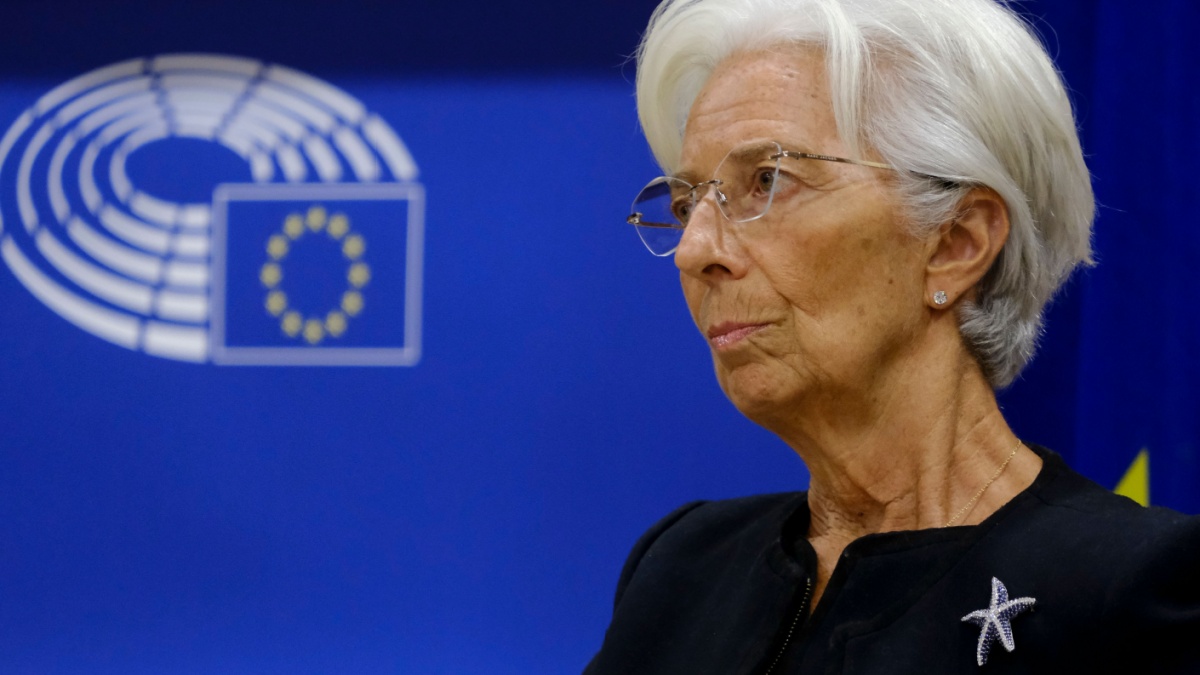
ECB President Christine Lagarde has said similar. “Visa, Mastercard, PayPal and Alipay are all controlled by American or Chinese companies,” she said on Irish radio. Lagarde has since announced her resignation.
Banks distribute, the ECB issues
Banks and payment service providers (PSPs) would distribute the digital euro. They would open wallets, run identity checks and manage customer relationships, while the ECB issues the currency and operates the platform which settles payments.
Holdings would pay no interest and would be subject to an individual holding limit, which Cipollone said protects financial stability during periods of banking stress. “The digital euro is therefore not designed to disintermediate banks,” he said in a speech at MNI Connect in October 2026.
Banks remain wary of the cost of distribution and of overlap with their own schemes.
Fourteen banks, including Deutsche Bank and BNP Paribas, wrote to the European Parliament warning the digital euro duplicates Wero, the wallet built by the bank-owned European Payments Initiative.
Two questions remain unresolved in the negotiations between Parliament and Council: the size of the holding limit and the compensation paid to distributing banks.
Vikram Bharwani, CTO Banking at NTT DATA for the UK and Ireland, spoke about this on the Payment Expert Podcast. He said because the digital euro is capped, pays no interest and must be accepted by law, it “sets the floor everyone else has to beat”.
What changes for merchants
Under the Parliament’s position, most businesses would be required to accept the digital euro, with an exemption for small firms that take only cash. Consumers would pay nothing for basic use, while merchants would pay their PSPs fees subject to a cap.
Cipollone told Italy’s banking association ABI in February 2026 that the cap would sit below the fees charged by international card networks and above those charged by domestic schemes such as Italy’s Bancomat. “The digital euro will effectively favour domestic payments schemes,” he said.
Isadora Arredondo, VP of Global Policy at Hedera, told Payment Expert merchant uptake depends on the economics for the PSPs offering the service.
“Policy makers need to be conscious of commercial viability for the firms that adopt it,” she said. Arredondo also questioned whether the digital euro and private schemes such as Wero are being designed to work together. “Perhaps the issue is that these systems are being developed separately,” she said.

From pilot to issuance
In July 2026, the ECB selected 36 PSPs from more than 50 applicants for a 12-month pilot starting in the second half of 2027. Participants include Deutsche Bank, UniCredit, Revolut, Stripe and Adyen.
Staff at the ECB and 19 national central banks will use a beta digital euro, which has no legal tender status. They will make person-to-person payments online and offline, and make payments to e-commerce and in-store merchants.
The ECB has also argued that offline payments would make the system more resilient. Cipollone told lawmakers in September 2025, months after power outages in Spain and Portugal, “the digital euro would in fact support business continuity in times of crisis by providing additional payment rails on top of the existing private solutions”.
The ECB has contracted two groups to connect PSPs and national central banks to its platform. Nexi and Deutsche Telekom Business Solutions began work on pilot connectivity in September 2026.
Telefónica and Indra join from May 2027. The agreements are worth up to €355.32m combined. Both groups are due to be ready to support issuance in 2029, subject to a decision by the ECB Governing Council.