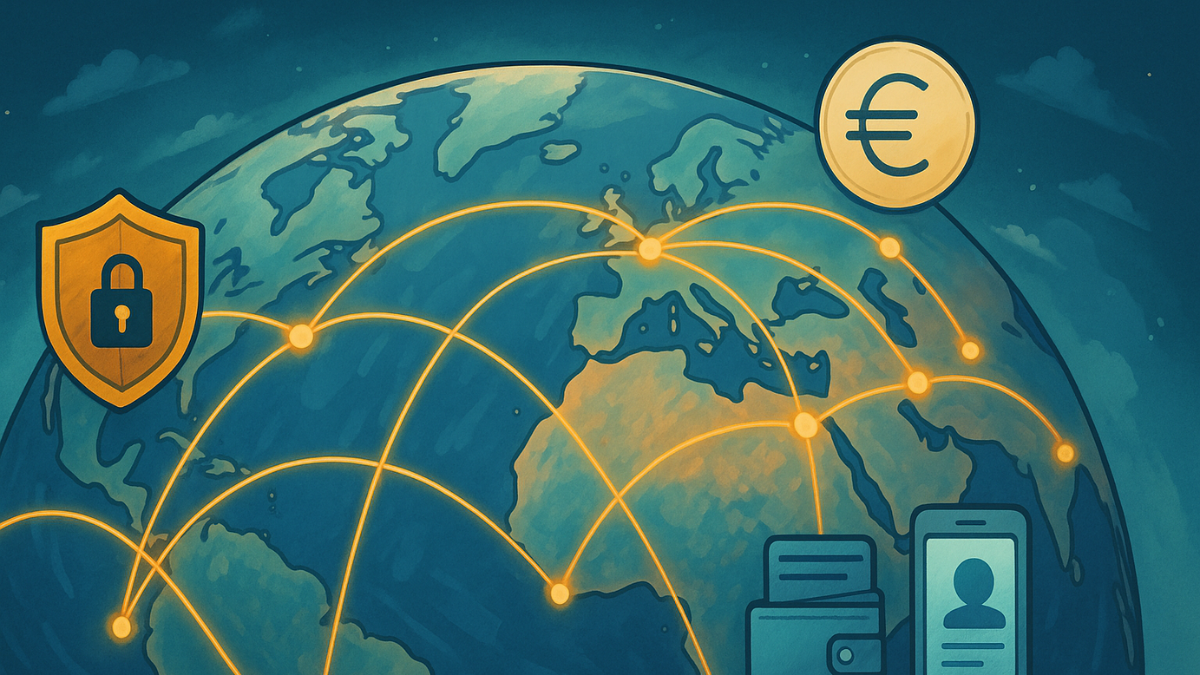
Casino.ca Expert Contributor Lara Wilson performs a deep dive into the range of payment methods across online casinos for Canadian consumers.
Canadian online gambling has reached a point where payment methods are no longer just a technical detail. They are a defining feature of how regulated casinos operate and are pivotal in attracting and retaining a loyal player base. The regulated market is shaped by strict provincial oversight and financial transparency requirements, as well as a uniquely Canadian banking system. The way that players move money in and out of licensed platforms tells us a bigger story about trust, safety, and the evolution of digital gaming in the country.
Canada’s regulated online casino market has been built on secure, traceable, and consumer-friendly payment rails. That framework has a huge impact on player experiences, influencing everything from safety to ease of use. Whether in Ontario’s competitive iGaming environment or the lottery-run platforms operating across other provinces, payment methods are carefully curated to balance convenience with compliance.
Before delving into which options are the most popular amongst Canadian players, it’s worth breaking down how online gambling regulations differ across the country. The rules governing online casino play significantly influence which payment methods are permitted. While regulators favour certain options over others, those preferences aren’t always mirrored by players.
At present, Ontario and Alberta are the only provinces that offer open, competitive iGaming markets. Ontario’s market has been live since April 2022, and is overseen by iGaming Ontario and the Alcohol and Gaming Commission of Ontario. At the time of writing, 47 operators carry Ontario licenses, and together offer residents access to 81 online gambling platforms. In comparison, Alberta’s market is very new, having launched on July 13th.
Operators in “The Heartland Province” are allowed to offer a wide range of payment options, provided they meet strict AML, KYC, and responsible gambling standards. In contrast, provinces like British Columbia, Québec, Manitoba, and the Atlantic region operate under monopoly models where the government lottery corporation controls the platform. This results in more limited payment choices and tighter integration with provincial financial policies.
Some provinces permit a broader mix of e-wallets, while others restrict deposits to Interac, cards, and bank transfers. Even withdrawal rules differ. Ontario operators must meet uniform payout-speed requirements, whereas lottery-run sites often follow slower, more conservative processing timelines. These regional differences mean that a player’s experience with deposits, withdrawals, and available payment tools can look very different depending on where they log in from.
It’s no surprise then that the complexity of Canada’s online gambling landscape can leave many players feeling confused or unsure of which payment methods are safest to use. Fortunately, there are experts at hand who have compiled honest, easy-to-follow, and up-to-date guidance for players looking to make the most of their time at online casinos. Casino.ca offers reliable information on everything from choosing the best paying online casino in Canada to the latest games and bonuses.
It’s always good practice to get a sense of a casino’s reputation before creating an account or parting with any money. These platform reviews are thorough and provide useful info on what payment methods are catered to. The availability of a range of reliable methods is a great trust indicator, while the presence of only obscure methods can be a red flag.
Interac has emerged as the country’s dominant option, thanks to its near-instant deposit speeds and high security. Withdrawals typically take between 24 and 72 hours, a fairly standard time period. Interac works with all major Canadian banks, and the casino will never see your private banking details. Depending on your bank, fees range from nothing to C$1.50. It is fully allowed across all regulated provinces.
Debit and credit cards are a convenient option for instant deposits, but withdrawals tend to be slower, taking 1 to 5 days if supported at all. Fees can vary, and some banks choose to decline gambling transactions. To prevent funds from getting caught up in limbo, it’s worthwhile for players to check the rules with their chosen bank in advance.
E-wallets are a popular choice amongst those who are keen to keep a barrier between their private financial details and the casino. Deposits are usually instant, and withdrawals don’t lag far behind, completing on average in 24 hours. As with other payment options, fees vary. It’s worth noting that some casino bonuses exclude e-wallet deposits.
For those making larger withdrawals, bank transfers and EFTs are a popular option due to the lack of transaction limits. These do tend to be slower overall, and withdrawals can take up to 10 days. With this in mind, players might want to be careful of time-sensitive bonuses that could expire during that time.
Some players use prepaid vouchers, like Paysafecard and Flexepin. These are a good method of budget control, as users are limited to playing with the voucher’s value. The downside is that they are one-way and can only be used for depositing funds. Users will have to select an alternative verified withdrawal method to cash out any winnings, and will face delays if they don’t set this up in advance.
Cryptocurrency is off the table for regulated Canadian play. iGaming Ontario specifically prohibits crypto from being used at sites that it has licensed. It is available only at offshore casinos, so players must choose their platforms carefully to avoid scams. Those who do prefer to use platforms that cater to currencies like Bitcoin and Ethereum enjoy the extra privacy, faster transactions, and lower fees.
Canada’s regulated online casino ecosystem is still evolving. While it doesn’t look like crypto will be made available at its regulated casinos any time soon, payment methods will continue to play a central role in shaping how players interact with licensed platforms. Ontario is expanding its competitive model, and lottery‑run jurisdictions are gradually modernising their offerings. As provinces refine their frameworks, the trend is clearly toward faster, safer, and more flexible banking options.
Interac will almost certainly remain the backbone of Canadian iGaming thanks to its security and near‑universal adoption. At the same time, e‑wallets are poised to grow as regulators become more comfortable with third‑party payment intermediaries. What won’t change is the emphasis on transparency and responsible gambling. Every payment rail must support strong identity verification, anti‑money‑laundering controls, and clear consumer protections.
For players, the best options today are those that balance speed with reliability: Interac for everyday use, e‑wallets for fast withdrawals, and traditional bank transfers for larger transactions. As the market matures, Canadians can expect a payment landscape that becomes more streamlined, more consistent across provinces, and increasingly aligned with global best practices in regulated online gaming.