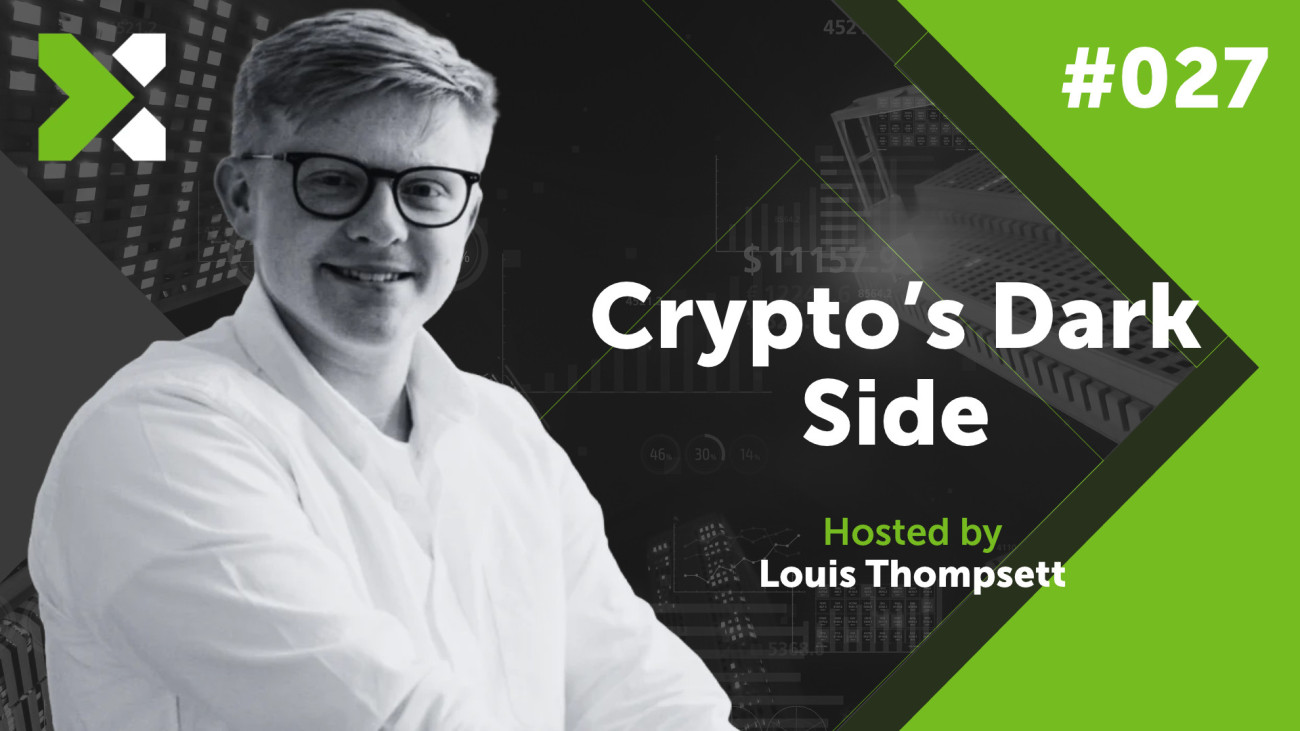
NTT DATA’s Vikram Bharwani tells the Payment Expert Podcast that tokenised deposits will move the most money by 2030, while the digital euro will carry more weight over the market
In the latest episode of the Payment Expert Podcast, Vikram Bharwani, CTO Banking at NTT DATA for UK and Ireland, says tokenised bank deposits will move the most money by 2030, but the digital euro will carry more weight over the market.
Tokenised deposits will settle the most volume, Bharwani says, “and it is not even close”. They run on existing banking infrastructure, cost the same as an ordinary deposit and clear as quickly, and still earn banks a return, so banks have reason to prefer them.
The digital euro is capped, pays no interest and must be accepted by law, which makes it the asset other money is priced against. Bharwani calls it a small balance which “sets the floor everyone else has to beat”. Stablecoins are set to handle cross-border corridors and treasury flows rather than everyday consumer spending.

NTT DATA: Interoperability is a commercial problem
Interoperability is a commercial problem rather than an engineering one, Bharwani says, pointing out that the industry already solved harder engineering than this with ISO 20022 and open banking. What holds it back is joining the rails redistributes revenue, moving the margin from holding money to moving it, so the money is in the connectivity layer rather than in any single currency.
The UK falls between the US, which has banned CBDCs while allowing stablecoins, and the EU, which is building the digital euro. Bharwani says the bigger risk is build order, not regulation. With the GENIUS Act live in the US and the digital euro on the way in the EU, banks build for those markets first and the UK comes later. He wants the UK to be the market where the rails connect, not to race Europe to its own currency.
The Bank of England set out its stablecoin policy statement and draft Code of Practice on 22 June, with a £40bn issuance guardrail per systemic stablecoin and regulated sterling stablecoins expected from October 2027. The Financial Conduct Authority (FCA) finalised its crypto rules on 30 June, and Phase 2 of the Digital Pound Lab began on 12 August.
The latest episode of the Payment Expert Podcast is available now on Spotify, YouTube, Apple Podcasts, and all major podcast platforms. Subscribe to the Payment Expert newsletter to make sure you don’t miss an episode.