ECB concerns over dollar stablecoin dominance and the digital euro drove the block, despite the bank holding no formal role in MiCA licensing.
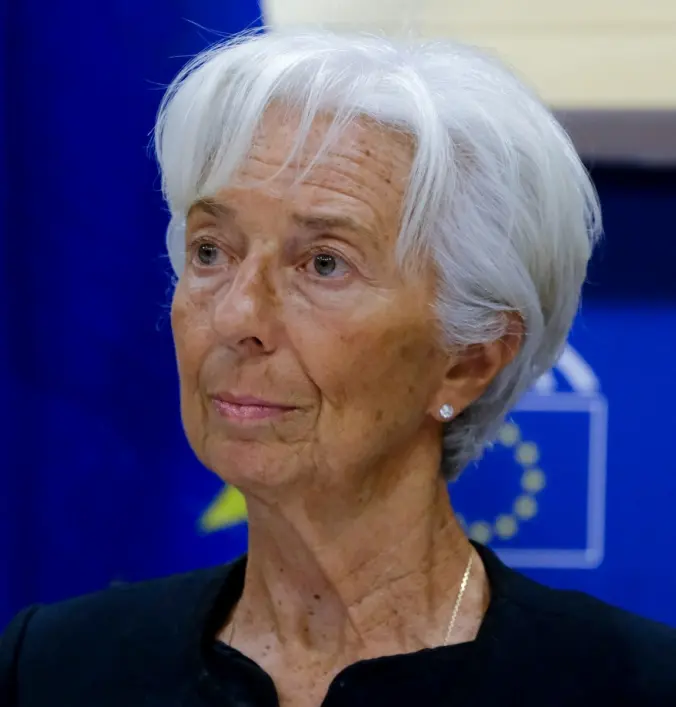
European Central Bank (ECB) President Christine Lagarde intervened personally to stop Binance obtaining a licence to operate across the European Union, the Wall Street Journal reported on 17 September, citing people familiar with the process and documents it reviewed.
The world’s largest crypto exchange had applied for a pan-European licence through Greece’s markets regulator, the Hellenic Capital Market Commission (HCMC). A licence granted in one EU state can be passported across the bloc, giving Binance a route to all 27 member states and their 450 million residents.
Greek officials told the digital-finance committee at the European Securities and Markets Authority (ESMA) in early June that they intended to approve the application.
However, a HCMC vice chair told Binance within a day that Lagarde had asked Greek Prime Minister Kyriakos Mitsotakis not to sign it off. The regulator said it could not proceed without the prime minister’s backing. Binance withdrew its application on 24 June, days before the 1 July deadline under the EU’s Markets in Crypto-Assets regulation (MiCA), and stopped marketing services to EU residents.
Binance Founder Changpeng Zhao wrote on X that it was “sad to see EU cutting their users off from the best liquidity in the world,” the WSJ reported.
ECB blocks licence route through Athens
Binance submitted its application just before the end of 2025, having set up a local company, Binary Greece, held by an Abu Dhabi entity in which Zhao is a shareholder. The exchange told Greek officials the base would generate around €200m ($230m) in tax revenue and 100 local jobs.
The ECB holds no formal role in MiCA licensing, which sits with national regulators. Lagarde has acted beyond the ECB’s monetary-policy remit repeatedly during her tenure, which ends next year.
The HCMC told the WSJ it assessed Binance’s application “independently and exclusively against the applicable EU and national requirements”. Vassilis Karatzas, adviser to the Greek finance minister, said he government “had no role whatsoever in its assessment of Binance’s application”.
Digital euro and stablecoin concerns
The vice chair told Binance that Lagarde wanted to hold the decision until ESMA could take licensing powers for crypto exchanges from national regulators. The ECB backed that transfer of powers in April, citing “risk migration into the banking system.”
Lagarde also wanted to protect the ECB’s digital euro project, the vice chair told Binance. The vice chair said Lagarde was concerned Binance’s scale would entrench dollar-based stablecoins in Europe rather than euro-denominated versions.
Dollar cryptocurrencies account for more than 99% of the global stablecoin market, and the ESMA had separately advised national regulators to reject Binance’s applications over its compliance record.
Compliance record and continued access
A Binance spokesperson said MiCA should not be “a process where applicants can be privately undermined through informal channels,” and said the exchange “remains committed to operating on a long-term, compliant basis” in the EU. Binance lost access to the EU market on 1 July and has said it will seek authorisation in another member state.
The exchange has continued serving some European customers from Abu Dhabi, relying on an EU rule that lets unlicensed crypto firms take on clients they have not solicited through advertising.