Telefónica and Indra take the second contract from May 2027, as EU lawmakers continue talks on the regulation the ECB needs to issue the currency.
Nexi and Deutsche Telekom will provide network connectivity for the digital euro under a ten-year service agreement with the European Central Bank (ECB), the two companies announced on October 30.
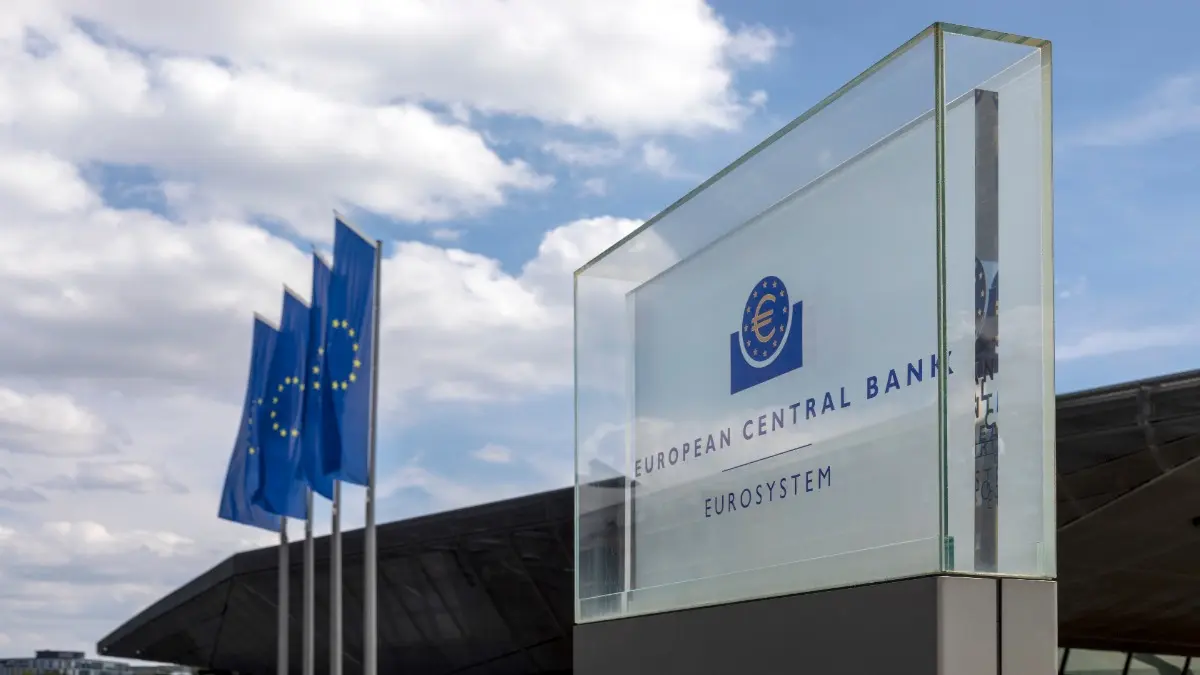
The ECB stated that it has entered into agreements with two network service providers (NSPs) following a procurement process that began on August 27, 2025. Nexi Payments and Deutsche Telekom Business Solutions, which submitted a joint bid as a temporary consortium, emerged as the successful candidates.
Their contract came into effect on September 28, 2026, and initially covers connectivity for the digital euro pilot, which is scheduled to launch in the second half of 2027.
A second consortium – comprising Telefónica de España, Telefónica Global Solutions, and Indra Soluciones Tecnologías de la Información – will begin executing its contract in May 2027.
According to the ECB, payment service providers (PSPs) offering the digital euro will be able to connect via either network.
ECB: scope of the contract
The networks will link the data centers which house the Digital Euro Service Platform (DESP) and provide PSPs and national central banks with access to this platform. Nexi stated the joint solution with Deutsche Telekom combines connectivity with an intermediary platform that facilitates the end-to-end processing of digital euro transactions.
In its announcement, the ECB set the combined maximum value of the two service agreements at €355.32m ($398.5m). A key condition stipulated that all services must be provided and managed from within the European Economic Area.
Bernardo Mingrone, CEO of the Nexi Group, commented: “The digital euro is a crucial initiative for the future of payments and for strengthening Europe’s digital sovereignty.
“This ten-year agreement is a significant industrial milestone; it serves as recognition of our technological capabilities and Nexi’s capacity to make a concrete contribution to an initiative of this scale.”
Gottfried Ludewig, Senior Vice President and Head of the Public Sector and Healthcare division at Deutsche Telekom, stated: “The financial ecosystem of the eurozone relies on a secure, resilient, and reliable digital infrastructure.”

Furthermore, Nexi is one of 36 payment service providers (PSPs) selected for the digital euro pilot. In 2022, the company developed a front-end prototype for the ECB, and in 2024 – as Nexi announced in July – it was selected, alongside Giesecke+Devrient, to support offline payments using the digital euro.
Issuance still subject to legislation
The contract does not obligate the ECB to actually issue a digital euro. Both network service providers (NSPs) will be equipped to provide the necessary connectivity for a potential issuance starting in 2029.
However, this is contingent upon a decision by the Governing Council regarding the next phase of the project, according to the ECB. The contract with Nexi has a ten-year term, running until 2036.
This decision is linked to the Single Currency Package, when, Iin December 2025, the Council of the EU established its negotiating mandate.
In June, the European Parliament’s Committee on Economic and Monetary Affairs backed the framework for the digital euro, and on July 9, the full Parliament – with 416 votes in favor, 169 against, and 22 abstentions – voted to begin negotiations with the Council.
On October 20, negotiators held a fifth political ‘trilogue’ (consultations between the European Commission, the Parliament, and the Council), covering topics such as anti-money laundering rules, offline payments, and usage fees.
A subsequent round is scheduled for November 5, as reported by Agence Europe. The ECB aims to reach an agreement on the regulatory framework by the end of 2026, which would pave the way for an initial issuance in 2029.
The pilot will last 12 months and utilise a beta version of the digital euro – which does not yet hold legal tender status – the ECB stated in July. During the test, staff from the ECB and national central banks will make payments to selected merchants and to one another.
In a letter to the European Parliament, fourteen banks – including Deutsche Bank and BNP Paribas – expressed concerns that the digital euro overlaps with Wero, the digital wallet developed by the European Payments Initiative. The ECB estimates the development costs to be approximately €1.3bn.