Payment Expert’s ID Check: Payments Professionals offers insight from industry leaders and experts on how they got their start in the financial industry, from their early years in education, to how they have been able to climb the corporate ladder.
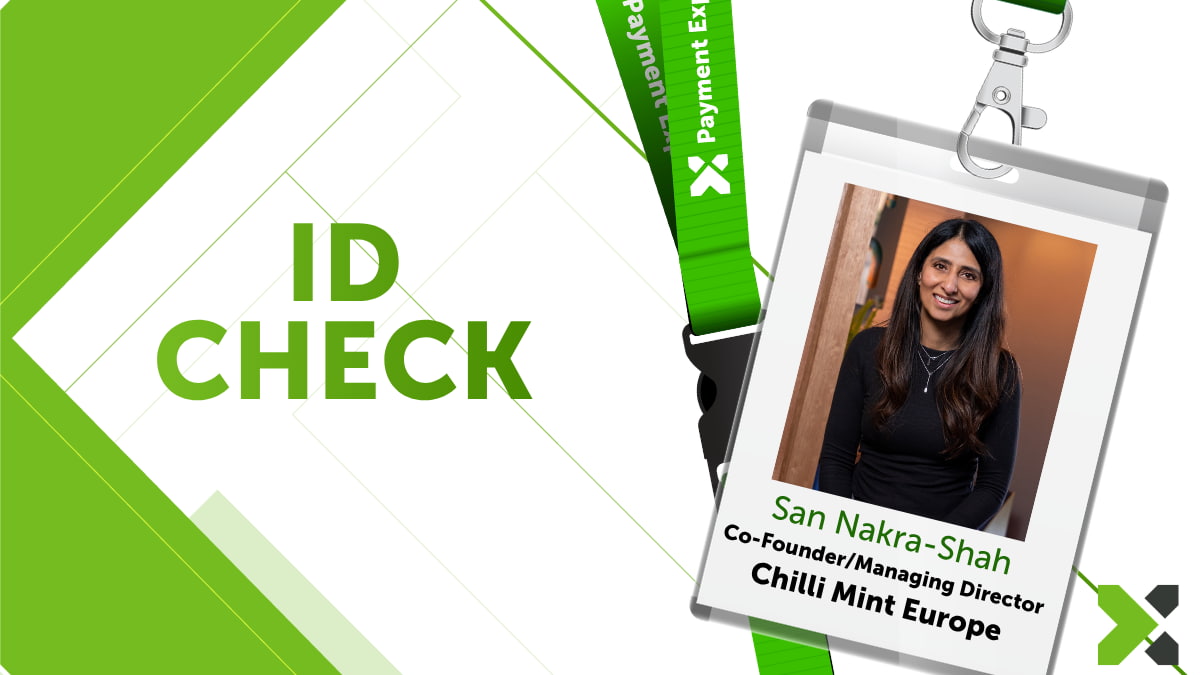
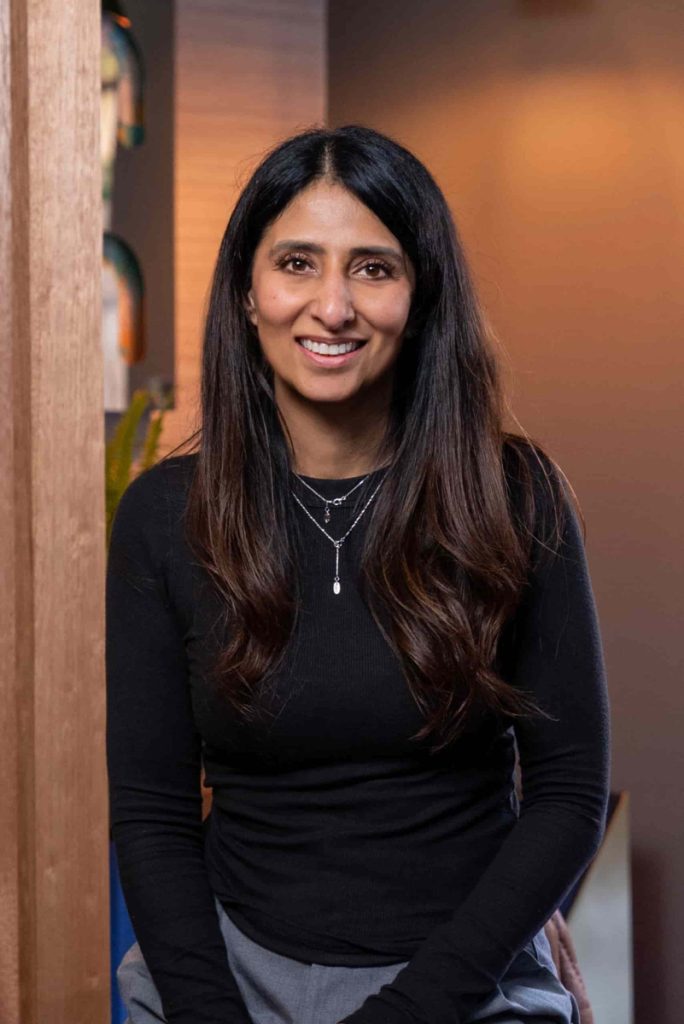
This week, Santosh ‘San’ Nakra-Shah, Co-Founder and Managing Partner at ChilliMint Europe, expresses the challenges but pride in building innovative payment tools and how everything she does is built on understanding the person
Where did you go to university and what did you study? What impact did this have on your current journey?
I didn’t take the traditional university route. Instead, I learned about business growing up in my parents’ convenience store. From the age of 10 or 11, I was doing a bit of everything – stacking shelves, serving customers, unpacking deliveries and helping to buy stock.
I learned very quickly that every interaction matters, that service matters, and that success often comes from doing the small things consistently well. I also experienced first-hand the hard work, resilience and sacrifice that goes into building something of your own.
At 18-years-old, I joined Barclays and began my career in banking. I married young and continued my studies alongside work, gaining professional qualifications in business, finance, project management and marketing.
Because my learning happened alongside my career, I’ve never really separated education from experience. Some of the most valuable lessons I’ve learned have come from working with customers, launching new products, leading teams and taking on challenges that felt slightly outside my comfort zone.
Looking back, that combination of curiosity, practical experience and continuous learning has shaped my entire journey. It has taught me to stay open to new ideas, embrace change and never assume I’ve stopped learning. In industries like banking, payments and technology, that’s probably been one of the most valuable lessons of all.
What first drew you to the payments industry and why have you stayed?
If I’m honest, I didn’t set out with a grand plan to build a career in payments. I joined Barclays and, like many people, found my way into the industry rather than actively choosing it.
What kept me there was something much simpler: I realised that I loved building things, improving things, and making a difference. Whether it was a product, a process or a customer experience, I discovered how rewarding it was to take an idea, work with great people to bring it to life, and then see the difference it made to customers.
I had the opportunity to launch innovations, such as text message banking, prepaid cards and contactless payments. At the time, these all felt new, exciting, and sometimes even a little ambitious. But today, they’re part of everyday life, and I still get a kick out of knowing the role I played in bringing these innovations to market.
And this still motivates me today and explains why I’ve stayed in the industry for so long.
Payments never stand still. Every few years – months even – something comes along that changes the way we think about money, technology or customer experience. That constant evolution means there is always something new to learn, improve, or create.
But through all the innovation, one thing has never really changed. At its heart, payments are about people. It’s about helping individuals, businesses and communities connect, trade and grow with confidence.
Are there any lessons from your first role in the industry which you still draw on?
One lesson has stayed with me throughout my career: never lose sight of the customer.
What I’ve noticed is that it’s very easy for organisations to become focused on what they’re building rather than who they’re building it for. Whenever I start something new, I find myself coming back to the same question: what problem are we actually trying to solve? It sounds obvious, but you’d be surprised how often people jump straight to solutions.
Sometimes the proposition isn’t clear, the audience hasn’t been properly understood or the value isn’t being communicated effectively. For me, the most successful products and the most successful businesses are usually the ones that understand their customers best, because they’ve taken the time to listen.
When was your first big break in the industry? Why was this such a significant moment for you?
Looking back, I’d probably say text message banking was my first real break.
It’s funny because today it sounds completely unremarkable. Nobody thinks twice about getting information from their bank on their phone. But in 2006, it felt genuinely new.
At the time, if you wanted to check your balance, you’d typically visit a branch, use an ATM or log into online banking. Customers had to go looking for information. Text message banking flipped that on its head. Instead of pulling information, it could be pushed directly to your phone.
More importantly, it was the first project where I felt I had real ownership, rather than simply supporting someone else’s work.I found myself involved in conversations about how customers would use it, how we would explain it and how we could make something that felt completely new feel simple, useful and safe. It was probably the first time I realised how much I enjoyed that part of the process.
I still remember the excitement I felt when customers started using it. After months of discussions, planning and hard work, something that had only existed as an idea was suddenly out in the real world. And if I’m honest, that’s the bit that hooked me. Not the technology, but the process of taking an idea and turning it into something useful.
But more than anything, it helped me realise what I enjoyed most: creating things, solving problems and seeing an idea become something real. I still get a huge amount of satisfaction from that today.

Was there a moment you faced in the industry which really challenged you? How did you overcome this?
One moment that really challenged me was launching a prepaid business for Barclays in just 12 weeks.
Early on, we spotted fraud activity that exposed a weakness in the business model. It wasn’t a major loss, thankfully, but it was a sharp reminder that when you launch something new in payments, fraudsters will test it almost immediately. That was a real learning moment for me.
It taught me that innovation and risk can’t sit in separate rooms. If you’re going to move quickly, you also need the right controls, the right people and the ability to respond when something doesn’t go to plan.
And that’s what I remember most – not so much the issue itself, but how the team responded. There was no time for blame or panic. We had to understand what had happened, fix it quickly and make sure we learned from it. Everyone pulled together, and that made a huge difference.
The product stayed in the market for several years, so the story ended well. But the experience has stayed with me because it taught me something important. Things will always go wrong. So, the real test is whether you stay calm, bring people with you and turn the problem into something useful.
What are some of the skills you deem essential to starting in your industry and how have yours developed over the years?
One thing I’ve learned over the years is that you don’t need to know everything when you start. In fact, most of the opportunities that shaped my career involved doing something I hadn’t done before.
I’ve launched products, worked on new technologies, built teams and eventually co-founded a business. In almost every case, there was a point where I was learning as I went along.
That’s why curiosity has always been so important to me. I’ve never been afraid to ask questions, get stuck in and figure things out. The industry changes so quickly that being willing to learn is often more valuable than already having all the answers.
The other skill I’ve come to value more and more is listening.
Early in my career, I probably focused too much on finding solutions. Over time, I’ve realised that the best ideas usually come from understanding the problem properly first. Whether it’s a customer, a colleague or a client, people will often tell you exactly what matters to them if you’re prepared to listen. Some of the best decisions I’ve made have come from those conversations.
The biggest change, though, has probably been how I define success.
Earlier in my career, success was often about what I delivered personally. Today, I get far more satisfaction from helping other people succeed. Whether it’s supporting a client, mentoring someone in the team or helping bring an idea to life, I love seeing people grow in confidence and achieve things they didn’t think were possible.
The products, technologies and trends have changed countless times since I started my career. But curiosity, listening and genuinely caring about people have never gone out of style. If anything, they’ve become even more important.
Who was your biggest role model – inside or outside of your industry – who continues to inspire you in your current career?
Without question, my biggest role models have been my parents.
When I was younger, I admired how hard they worked. They ran a small convenience store and worked incredibly long hours to support our family. At the time, I probably took much of that for granted. I certainly don’t now.
Not only did they teach me the value of hard work, but they also taught me how important relationships are. They knew their customers by name, and they took an interest in their lives. They understood that trust isn’t built through grand gestures; it’s built over time, through lots of small interactions.
As I’ve gotten older, I’ve realised how much that shaped my own approach to business.
I’ve always believed that success comes through people. Of course, products, technology and strategy all matter, but business has always been about relationships. It’s about understanding people, earning their trust and doing what you say you’re going to do.
One of the things I admire most about my parents was that they treated everyone with the same respect, regardless of who they were. That’s something I’ve tried to carry with me throughout my career.

If you didn’t work in the industry, what other career option would you have pursued or would have loved to?
I’ve genuinely loved my career, so it’s difficult to imagine doing something completely different. That said, if I hadn’t ended up in banking and payments, I suspect I would have found myself doing something that involved seeing more of the world.
I’ve always been curious. Whenever I visit a new place, I find myself looking at how people shop, how businesses operate, how customers behave and what makes things successful. What fascinates me isn’t really the thing itself. It’s why it works.
I’ve always been interested in why some ideas resonate and others don’t. Why customers embrace one experience but ignore another. And what businesses can learn from that.
I think that’s one of the reasons I’ve enjoyed my career so much. I’ve never been particularly interested in standing still. I’ve always enjoyed learning something new, understanding it and then thinking about how it might be improved.
So perhaps I would have ended up in something connected to travel, retail or consumer behaviour. I’m not entirely sure.
What I am sure about is that I’d still be doing what I’ve always enjoyed most: meeting people, learning from them and helping turn good ideas into something real.
Lastly, what is some advice you would give to an aspiring person looking to get a start in your respective industry?
When I started my career, I didn’t have a grand plan. I wasn’t a payments expert, and I certainly didn’t have everything mapped out.
What I did have was a willingness to work hard, learn quickly and take opportunities when they came along.
Over the years, I’ve realised that most careers don’t unfold in a perfectly straight line. Mine certainly didn’t. You take on something new, you learn as you go, you make mistakes, and sometimes the opportunities that shape you most are the ones you didn’t feel completely ready for.
So, my advice would be “don’t wait until you feel fully prepared. Be curious. Ask questions. Put yourself forward. You’ll learn far more by getting involved than by standing on the sidelines waiting for the perfect moment.”
I’d also say, never underestimate the importance of understanding people. Products and technology matter, of course, but the best work usually starts with listening properly. Whether it’s a customer, a colleague or a client, take the time to understand what they need and what they’re trying to achieve.