Moscow Exchange will open crypto trading on 1 December, while House Democrats discuss rewriting US market structure rules after the midterms.
The Central Bank of Russia has approved Bitcoin, Ether, and Tether (USDT) for public trading on domestic exchanges. A directive, effective November 17, establishes limits on annual purchases by retail investors.
According to the Central Bank, non-qualified investors may purchase these three assets through brokers, asset managers, or cryptocurrency exchanges – whether on organised markets or via over-the-counter (OTC) transactions – up to a limit of 300,000 rubles ($3,660) per calendar year, per intermediary.
Qualified investors face no such limits; however, all investors must first pass an assessment and review the associated risks before they are permitted to trade.
The directive classifies Bitcoin and Ether as “digital currencies,” while USDT is categorised separately as a “foreign digital instrument”.
The Central Bank said retail access is restricted to the most liquid assets – selected based on market capitalisation, average daily trading volume, and at least five years of price history on foreign platforms – in an effort to limit exposure to significant price volatility.
Moscow Exchange to launch on December 1
The regulations serve as an elaboration of the law “On Digital Currencies and Digital Rights”, which was signed by President Vladimir Putin on August 4, with its primary provisions taking effect on September 1.
The law requires exchange operators to maintain a minimum equity of 15m rubles and to join a self-regulatory organisation for the financial market. The prohibition on using cryptocurrencies to pay for goods and services within Russia remains in force.
The Moscow Exchange will begin trading Bitcoin, Ether, and USDT on December 1. Trading hours will run from 06:50 to 23:50 (Moscow time), with settlement occurring on the same day or the following day.
There are plans to add more cryptocurrencies over time, with Boris Blokhin, Senior Managing Director for Sales and Business Development at the Moscow Exchange, saying trial transactions are currently underway and a sufficient number of participants are involved to facilitate a pilot launch.

US regulation stalls following midterm elections
In the United States, there is no federal cap on the purchase of cryptocurrencies by individuals, and US Congress has yet to pass legislation defining how crypto markets should be regulated. The GENIUS Act, signed in July 2025, established federal regulations for payment stablecoins.
The CLARITY Act – which passed the House of Representatives in July 2025 by a vote of 294 to 134 and was approved by the Senate Committee on Banking in May by a vote of 15 to 9 – stalled on September 15 during a Senate cloture vote (a motion to end debate), failing with 49 votes in favor and 50 against, after Senate leadership had postponed the vote from August.
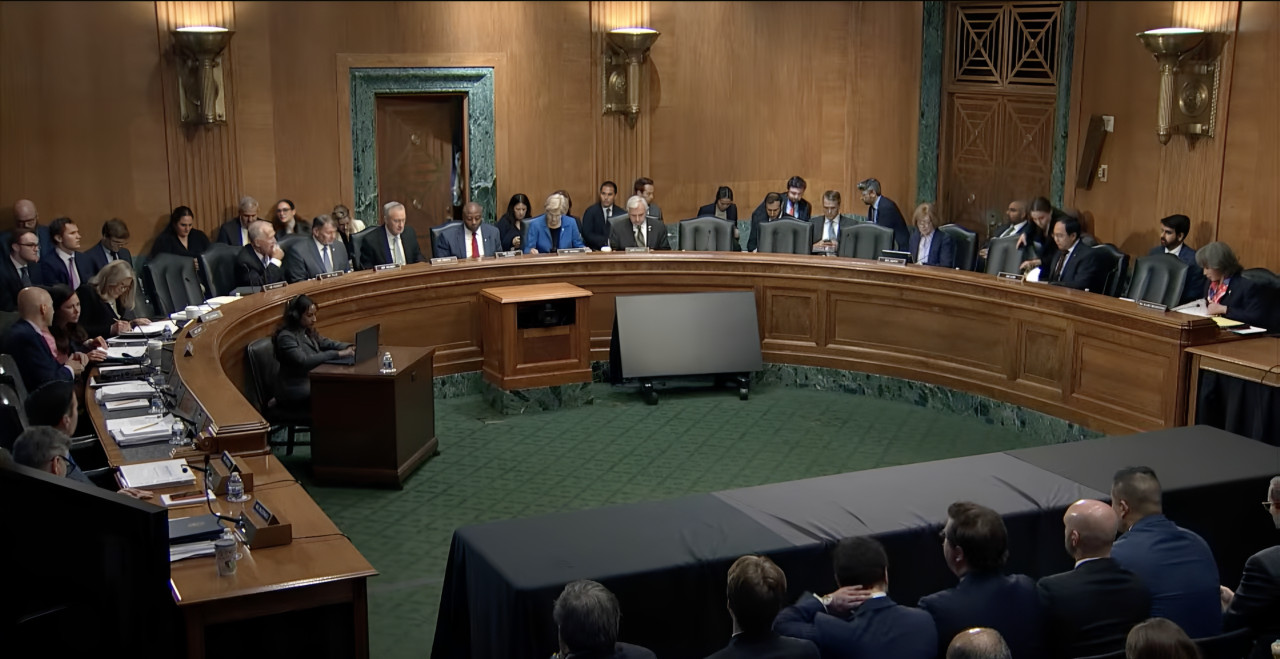
Democrats have since won both chambers in the 3 November US midterms and take control in January. House Democrats are now reportedly discussing a Securities and Exchange Commission (SEC) led market structure bill built on Representative Maxine Waters’ Crypto Investor and Consumer Bill of Rights.
The UK and the EU are following separate paths
In June, the UK’s Financial Conduct Authority (FCA) published its final rules for cryptocurrencies, which are set to take effect in October 2027. The Bank of England will oversee stablecoins designated as “systemic” by the UK Treasury, with a temporary issuance limit of £40 billion per coin.
The transition period for the EU’s Markets in Crypto-Assets (MiCA) framework concluded on July 1.