Russia’s 12 largest banks and biggest retailers must accept the CBDC from 1 September, with Western sanctions cutting Moscow off from global payment rails
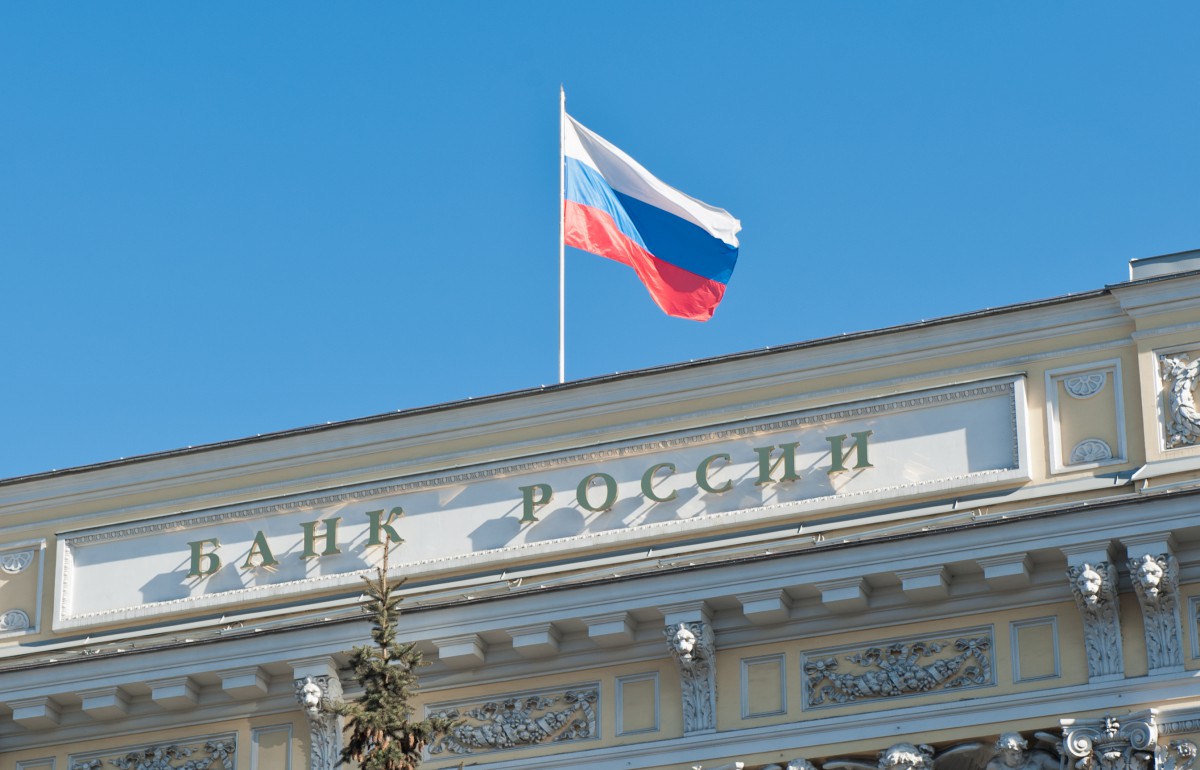
Russia will require its 12 systemically important banks to support digital rouble payments from 1 September 2026, Bank of Russia Governor Elvira Nabiullina said. Retailers who bank with those lenders and booked more than ₽120m in revenue last year must accept the central bank digital currency (CBDC) from the same date.
Nabiullina told the Bank of Russia Financial Congress in July that the technology was ready and that extensive preparatory work had been done. Major banks confirmed their readiness on 21 August, RIA Novosti reported, with clients able to open a digital rouble account through their existing banking app and Sber’s infrastructure already deployed inside Sberbank Online.
President Vladimir Putin signed the legislation establishing the legal framework on 24 July 2023, and the central bank has run a pilot with real digital roubles since 15 August 2023. Before the commercial rollout, federal government departments gained access on 1 January 2026 for uses including social-security payouts and state salaries. An original 1 July 2025 launch slipped after merchant objections.
A phased mandate
Banks with a universal licence and retailers above ₽30m ($355,000) in annual revenue must process digital rouble transactions from 1 September 2027, with remaining banks and retailers under ₽30m following on 1 September 2028. Outlets with annual revenue below ₽5m are exempt from the obligation to accept it. Individuals face no requirement to use the currency and keep the freedom to choose how they pay.
The digital rouble is a third form of the national currency alongside cash and bank deposits. Issued directly by the central bank and held in wallets on its platform, it records the full history of each transaction, which authorities say will allow tighter oversight of how budget funds are spent.
Only the central bank can open wallets at launch, with commercial banks doing so under consideration, and an offline-payment function envisaged earlier has not yet gone live.
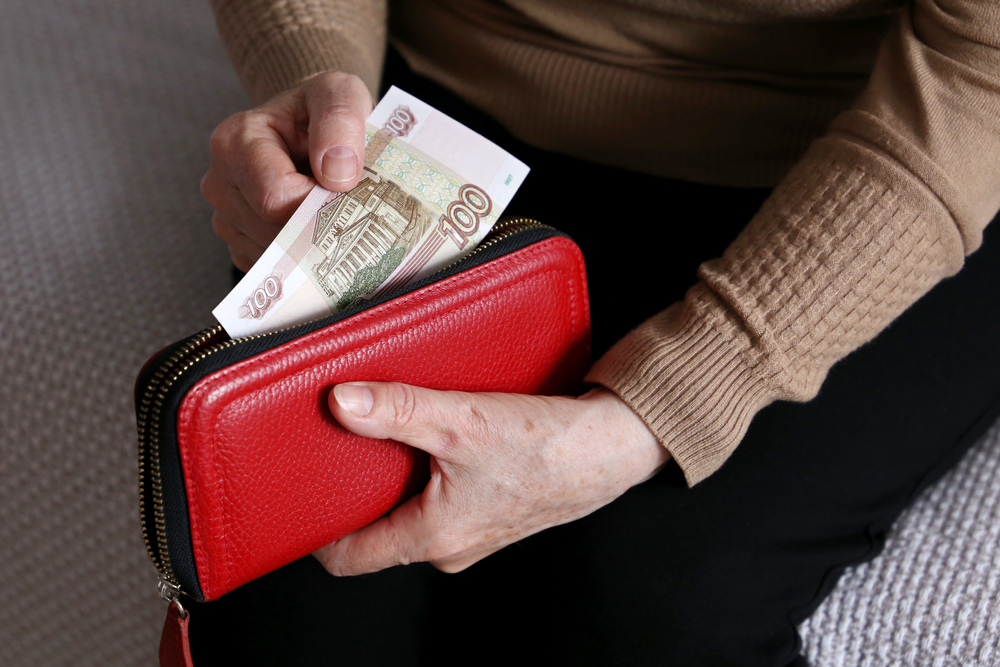
Are Russian sanctions the driver for digital money?
Russia has framed the project as a way to modernise payments and cut its reliance on Western networks. Sanctioned Russian banks have been cut off from SWIFT, Visa and Mastercard since 2022. In 2024 Russia legalised cryptocurrency for cross-border settlement, letting exporters and importers settle trade in crypto while keeping it banned for everyday domestic payments.
Brussels reads the currency’s purpose differently, and has moved to block it. The European Union adopted its 20th sanctions package on 23 April 2026, banning support for the digital rouble alongside ruble-backed tokens and Russian crypto service providers. All transactions involving the digital rouble are prohibited from 24 May 2026, with the regulation calling the CBDC “purpose-built for sanctions evasion”.
The package also banned the RUBx stablecoin used in cross-border trade and sanctioned the A7A5 ecosystem, which Chainalysis said has processed $119.7bn to date. A 21st package last month widened the crypto restrictions again.
Russia’s public unconvinced
Most Russians do not understand why they need a third form of money, a survey by state pollster VTsIOM found, while a SuperJob poll put the share willing to take their full salary in digital roubles at about one in ten. Banks receive a commission of ₽0.67 per payroll transaction under the July 2025 mandate.
Beyond the consumer launch, the central bank is building smart-contract functionality for business payments and has tested conditional disbursement of government funds in Tatarstan. A universal QR-code system run by the National Payment Card System, operator of the Mir network, will sit alongside it.