World Liberty’s USD1 stablecoin and its Binance links face scrutiny as the stalled CLARITY Act heads into a Democrat-controlled Congress.
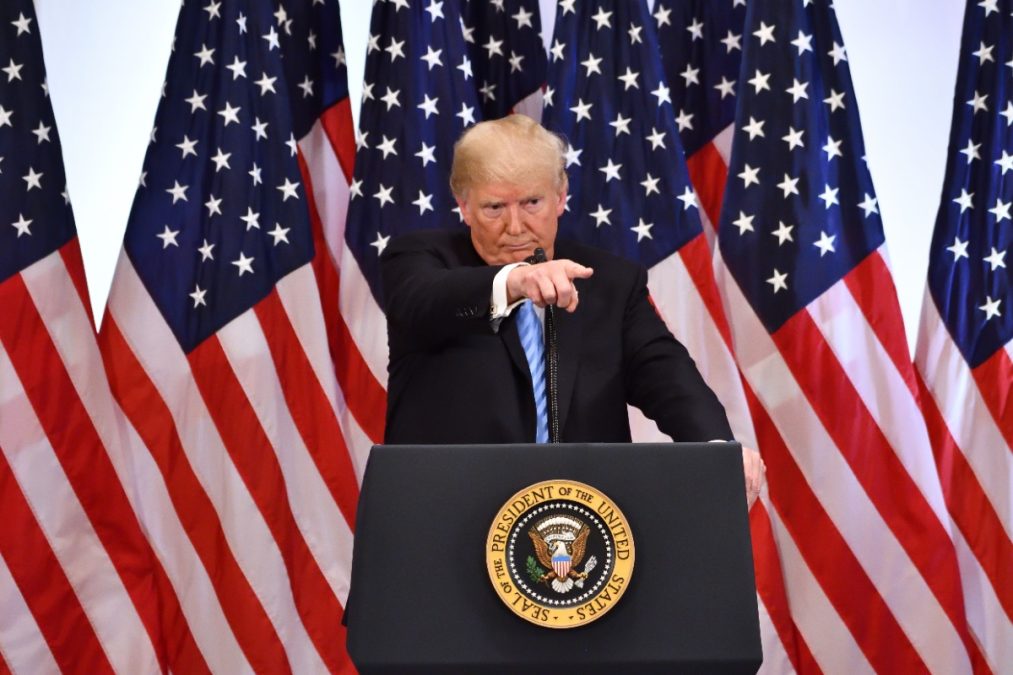
Congressional Democrats are planning investigations into the crypto industry’s financial ties to President Donald Trump and his family after winning control of the House and the Senate in the 3 November midterm elections, according to Bloomberg Government.
The investigations are expected to absorb much of the industry’s lobbying effort in the new Congress, which convenes in January.
Elizabeth Warren, the Massachusetts Democrat expected to chair the Senate Banking Committee, has pledged to focus on alleged deals between the sector and Trump.
Representative Robert Garcia is expected to chair the House Oversight Committee. Oversight Democrats published a report in January on the family’s crypto income, covering trading fees, token sales and interest earned on the assets backing stablecoins.
House Financial Services Democrats, led by Maxine Waters, have separately targeted the TRUMP memecoin, World Liberty Financial and its USD1 stablecoin.
White House spokesperson Anna Kelly said in July that “there are no conflicts of interest,” responding to an earlier call from Senate Democrats for crypto investigations.
World Liberty and USD1 under scrutiny
The Office of the Comptroller of the Currency (OCC) granted World Liberty Trust Company preliminary conditional approval for a national trust bank charter on 14 August, whichwould let the Trump family venture take over USD1 issuance and custody from BitGo once it meets the regulator’s pre-opening requirements.
Warren wrote to Treasury Secretary Scott Bessent and Attorney General Todd Blanche on 15 September asking them to investigate national security risks linked to World Liberty and its affiliates. The letter renewed requests she made in November 2025 and May 2026, and cited the OCC approval in asking how regulators plan to supervise the business.
Warren cited reports UAE-based Aqua 1 bought $100m of World Liberty tokens, and reporting linked the firm to Guren “Bobby” Zhou, a businessman reported to be under investigation for money laundering in the UK. Zhou has not been charged.
Warren asked whether gaps in anti-money laundering rules or their enforcement allowed Trump-linked ventures to profit from illicit funds, though the letter did not establish whether the token purchases involved money laundering.
Senator Adam Schiff led a separate letter in June, co-signed by Warren, Richard Blumenthal and Chris Van Hollen, questioning Binance’s sanctions compliance and its relationships with the Trump and Witkoff families. The senators said Binance used USD1 to take a $2bn investment from an Abu Dhabi state-backed fund, and that the exchange holds close to 80% of all USD1 in circulation.
CLARITY Act stalled over ethics
The Digital Asset Market Clarity Act (CLARITY Act), the industry’s main legislative priority, failed a Senate procedural vote 49-50 on 15 September, 11 votes short of the 60 needed to begin debate. The bill had cleared the Senate Banking Committee 15-9 in May.
Democrats withheld support after negotiators failed to agree ethics provisions covering the president’s crypto holdings.
Democratic negotiators sought divestment requirements once a president’s holdings passed a set value, along with enforcement powers for state attorneys general. Senator Mark Warner said after the vote he still wanted crypto market rules but objected to passing legislation that let the president profit personally from the sector.
The OCC finalised its GENIUS Act rules for payment stablecoin issuers in October, covering reserve assets, redemption and risk management. The rules take effect on 18 January 2027.