Concerns that the CLARITY Act wouldn’t meet its August deadline have come true, as the Senate suspends the vote until September.
Republicans and Democrats haven’t seen eye to eye on the CLARITY Act, with several issues still needing to be ironed out. These issues have delayed the crypto bill that US President Donald Trump is so keen to get over the line.
The CLARITY Act is the US government’s bid to set out how cryptocurrencies and related products should be categorised and which federal regulators get jurisdiction over each part of the market.
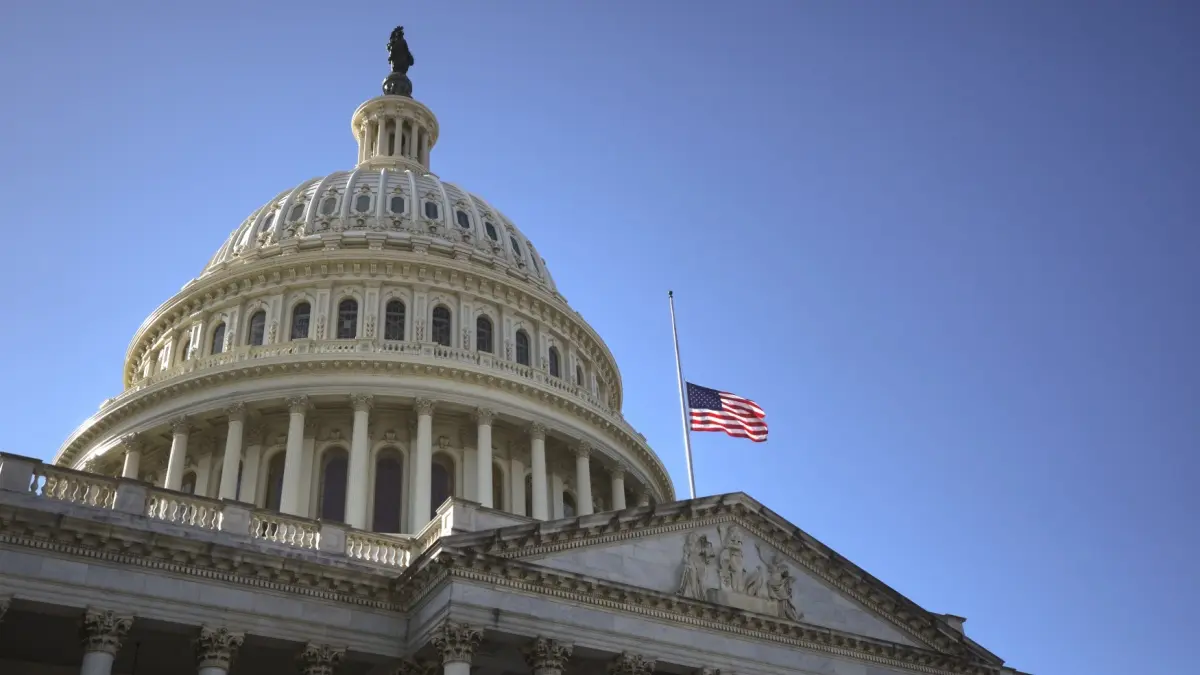
It has missed its 7 August deadline (today), meaning the next opportunity to get passed is in September as the Senate breaks for summer tomorrow. This is the second deadline it has missed, with the first being 4 July, the White House‘s informal Independence Day signing goal, which passed with no floor vote and no cloture motion filed.
The latest delay comes after Democrats declined to sign a time agreement covering the pre-recess agenda, which requires all 100 senators to sign before floor business can be sped up.
The bill requires 51 Senate votes to pass before it can be sent to President Trump for sign‑off.
Why is it taking so long?
Senator Cynthia Lummis, the Republican from Wyoming who has served as the bill’s chief architect, posted a poll on X on 6 August, asking: “Should the Senate vote on the CLARITY Act?”
The poll had 38,480 votes, with 93.2% voting Yes at the time of writing. Despite a majority of her followers wanting a vote, an ethics provision is holding it up.
The language in the ethics section of the CLARITY Act aims to stop senior federal officials from holding or profiting from crypto and digital assets while in office, which the White House has described as the most comprehensive ethics provision of its kind.
However, Democrats say that the version doesn’t go far enough, as there’s nothing in the section that would stop Trump from holding digital assets as an investment, which leaves the door open for him to keep profiting from crypto after the law takes effect.
In a recent interview with Forbes on 6 August, Senator Elizabeth Warren said she supports crypto legislation but not the CLARITY Act as currently written, stating that it fails to address corruption, consumer protection, national security and economic risks.
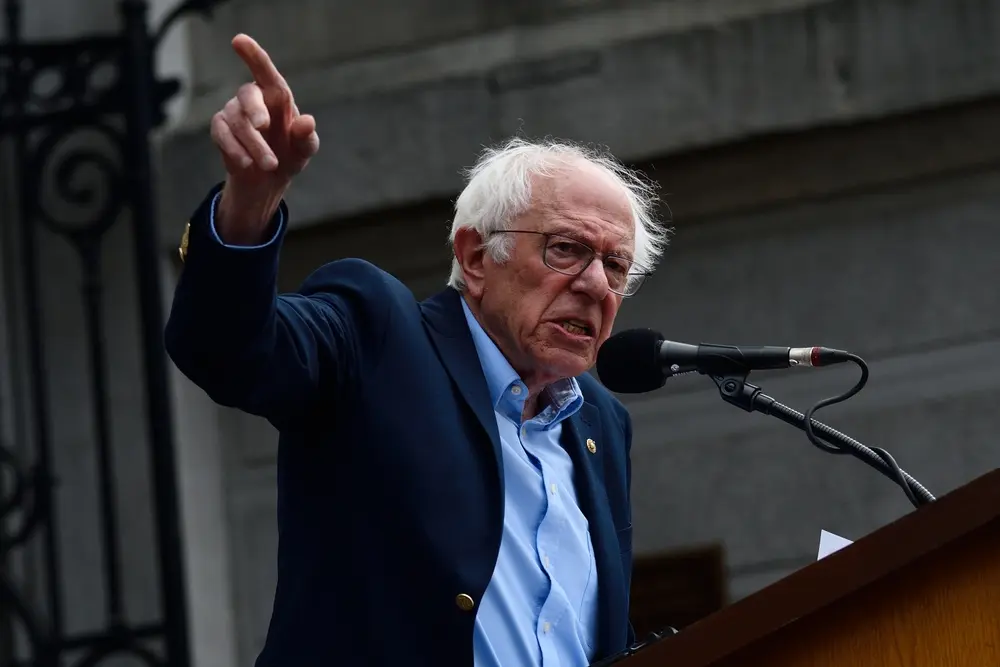
Other senators, including Democrat Bernie Sanders, have also spoken out against the CLARITY Act. In a 30 July video posted to his channels, Sanders urged his colleagues to vote against the crypto market structure bill, calling it “corrupt” and said it would weaken oversight of an industry that spends heavily to influence elections.
Is crypto Trump’s cash cow?
Trump has made significantly more money during his presidency than his predecessors, reportedly earning around $2.2bn (£1.7bn) in his first year back in office, according to a financial disclosure report reported on by the BBC.
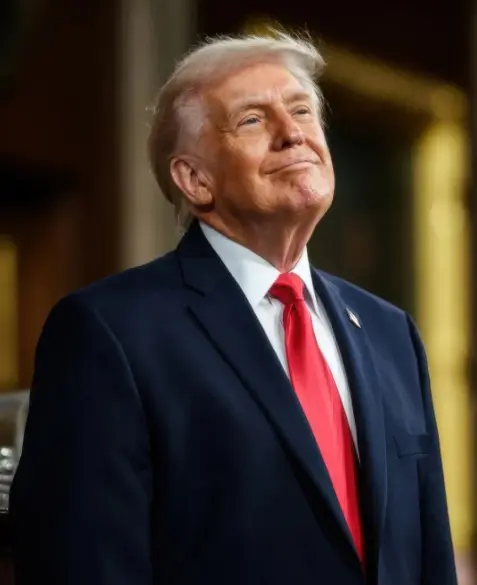
He has also looked to make money through Truth API, a high speed data feed launched on 1 August 2026 by Truth Social‘s parent company. The feed delivers posts from top accounts, including Trump’s, to financial and algorithmic trading firms within milliseconds.
This kind of money-making is exactly why the ethics language has become the bill’s biggest obstacle, given how closely Trump is tied to the crypto industry the bill is trying to regulate.
His 2025 financial disclosure showed he made more than $1.4bn from crypto ventures that year, including hundreds of millions from his memecoin licensing deal and sales of tokens issued by World Liberty Financial, a company founded by his sons Donald Trump Jr and Eric Trump.
World Liberty Financial also issues USD1, a stablecoin within the scope of the regulatory framework of the CLARITY Act. This puts Trump in the unusual position of profiting from a corner of the industry his own administration is trying to regulate, which is the conflict Democrats say the current ethics language fails to close.
Every time the US president finds a new way to make money from crypto, whether through a memecoin or stablecoin, it adds to the pile of evidence Democrats are pointing to as they hold out for tougher rules.