The Trump administration celebrates the OCC’s final rule as a major step towards cementing US leadership in digital assets.
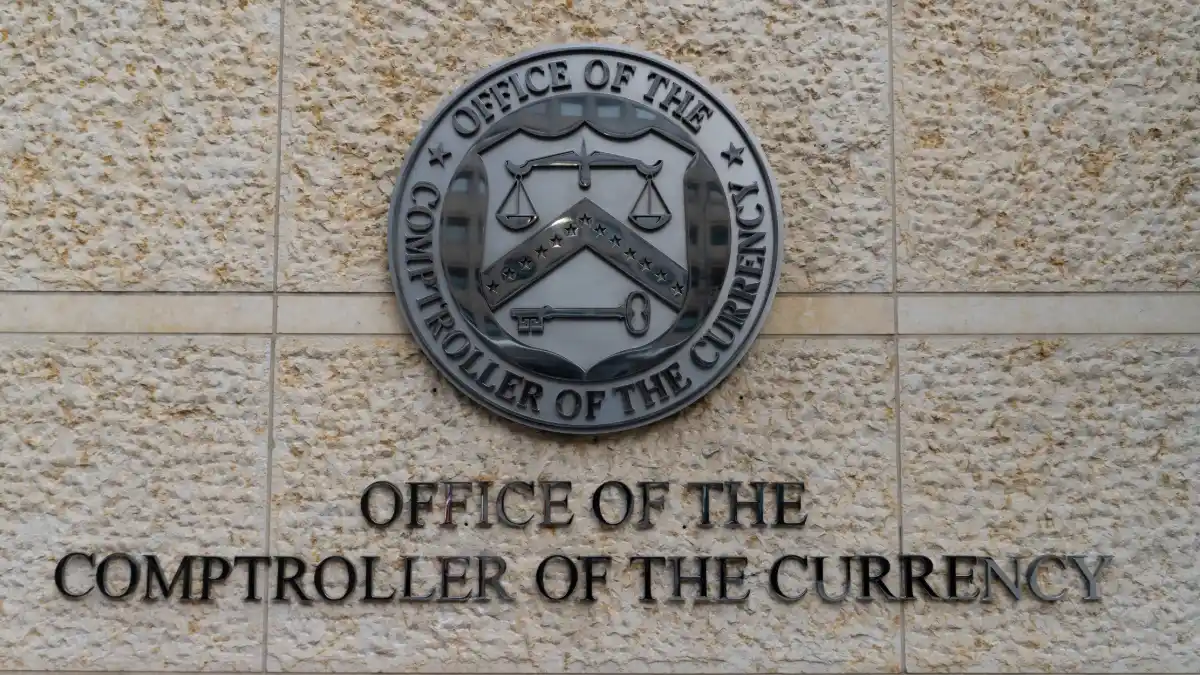
The Office of the Comptroller of the Currency (OCC) has finalised rules setting out how payment stablecoins will be regulated in the US under the GENIUS Act.

The rules will take effect on 18 January 2027, with Comptroller of the Currency Jonathan V. Gould saying they provide a “clear, practical framework for payment stablecoin innovation”.
He added that the framework sets “strong standards for reserve backing, redemption and risk management”, and said the final rule champions President Donald Trump and Secretary Scott Bessent’s “vision for American leadership in digital assets”.
The framework sets requirements for payment stablecoin issuers and foreign issuers under the OCC’s jurisdiction, as well as certain custody activities executed by OCC-supervised institutions.
It covers reserve assets, redemption, risk management, capital requirements, audits, reporting and supervision. It also clarifies how issuers can apply for approval, how certain state-qualified issuers can transition to the federal framework and how the OCC will supervise foreign issuers.
The regulator also updated its rules on bank safety, penalties, cost and oversight, informed by responses from crypto companies, community banks, trade groups, academics and other stakeholders.
A ‘watershed moment’, says Bessent
The Trump administration strongly praised the 21 October announcement on X and other social media channels.
A video shared by the US Treasury Department on X revisited Trump’s 2025 signing of the GENIUS Act, featuring Bessent and Gould discussing the legislation.
The post said Trump had “fundamentally transformed the future of finance” by signing the Act, describing the OCC’s final rule as a vital step towards a federal framework for payment stablecoins that would “further cement American dominance in digital assets”.
In an official release, Bessent compared the legislation to President Abraham Lincoln’s National Currency Act of 1863, which established a national framework for bank-issued currency.
He called the GENIUS Act a “watershed moment in American finance”, adding that the final rule provides a foundation for private-sector innovation and competition.
The enthusiasm is perhaps unsurprising given the emphasis Trump and his administration have placed on stablecoin developments over the last year, including an executive order banning federal agencies from establishing a central bank digital currency.
Trump believes dollar-backed stablecoins could expand access to dollar-denominated payments and drive more demand for US Treasury bills, which can serve as reserve assets.
A timeline of the GENIUS Act
• 4 February 2025 – Senator Bill Hagerty introduces the GENIUS Act in the US Senate.
• 17 June 2025 – The Senate passes the bill by a bipartisan vote of 68 to 30.
• 17 July 2025 – The House of Representatives passes the legislation 308–122 during Crypto Week, an initiative launched by House Republican leadership in Congress.
• 18 July 2025 – President Donald Trump signs the GENIUS Act into law, establishing the first US federal regulatory framework for payment stablecoins.
• Late 2025-2026: Federal prudential banking agencies (including the OCC, Federal Reserve and FDIC) work together on rules needed to implement the legislation.
• 25 February 2026 – The OCC publishes its Notice of Proposed Rulemaking, specifying proposed guidelines covering stablecoin issuance, reserves, licensing and supervision.
• 21 October 2026 – The OCC officially announces its final rule, establishing 1:1 reserve requirements, an interest ban and structural safeguards for stablecoin issuers under its jurisdiction.
• 18 January 2027 – The GENIUS Act and the OCC’s final implementing rule are scheduled to come into force.
What comes next for the GENIUS Act?
Though its name and celebration may suggest that this is the final stage for the GENIUS Act, it doesn’t cover every aspect of its implementation.
The OCC still needs to address Bank Secrecy Act, anti-money laundering and sanctions requirements enforced by the Office of Foreign Assets Control through separate rulemaking coordinated with the Treasury Department.
The regulator also said it will announce when it begins accepting applications and waiver requests from aspiring payment stablecoin issuers and will monitor the industry as it develops, adjusting its supervisory framework as needed.