The prohibition rode through both chambers inside a housing bill, but with no Fed project to stop and private stablecoins exempt, it mostly hardens a market the GENIUS Act already built
US lawmakers have passed the 21st Century ROAD to Housing Act, sending a four-year ban on a Federal Reserve central bank digital currency (CBDC) to President Donald Trump for signature. Snuck-in to a broader housing bill, The House cleared it 358-32 on Tuesday (23 June), a day after the Senate passed it 85-5, and Trump is expected to sign it this week.

Once enacted, the bill bars the Federal Reserve from issuing or creating a CBDC, or any digital asset substantially similar to one, whether directly or through a financial institution or other intermediary.
The ban holds until 31 December 2030, and even then the Fed could not simply pick the idea back up, as reviving a digital dollar would need fresh authorisation from Congress.
A ban that travelled by housing bill
At 381 pages, the ROAD to Housing Act is mainly a bipartisan housing-supply package. It streamlines environmental reviews for new builds, raises income eligibility for HOME project grants and, for the first time, bars large institutional investors from buying single-family homes, with the CBDC ban tacked on as a small rider to all of it.
The digital-dollar language found its way in because, on its own, it could not get through. A standalone ban had cleared the House before only to stall in the Senate, so Republicans tied it to a bill both parties wanted to pass ahead of the autumn midterms, and after months of ping-ponging between the chambers, negotiators agreed to a reconciled text.
This bundling tactic helped deliver margins the ban had never won alone, on legislation neither side wanted to be seen blocking. Senate Banking Committee Chair Tim Scott , who co-wrote the bill with Ranking Member Elizabeth Warren, kept his floor remarks on the housing fight rather than the digital dollar, telling colleagues “housing prices are too darn high”.
What the law does, and does not, touch
A CBDC, in the bill’s wording, is a dollar-denominated digital asset that is a direct liability of the Federal Reserve and available to the general public, a definition narrow enough to leave private money outside its reach from the start.
It then makes the exemption explicit, sparing any dollar-denominated currency that is “open, permissionless, and private” and preserves the privacy protections of physical cash. This carve-out is what spares stablecoin issuers such as Circle and Tether, already regulated under last year’s GENIUS Act, which carry on untouched.
For all the legislative effort, there was no federal CBDC to stop in the first place. The Fed never moved past exploratory papers and a Boston Fed pilot, Chair Kevin Warsh has called a US digital dollar a “bad policy choice”, and Trump had already signed an executive order in January 2025 directing his administration not to pursue one, citing risks to “individual privacy, and the sovereignty of the United States”.
The third piece of the package
Coming after the GENIUS Act, which became law in July 2025 and gave the US its first federal stablecoin framework of one-to-one reserves, monthly disclosures and federal licensing, the ban is the second of three crypto measures to move under Trump.
Where GENIUS cleared the way for private dollars, the CBDC ban rules out a public one, a position Treasury Secretary Scott Bessent noted last month when he said a central bank digital currency was “off the table”.
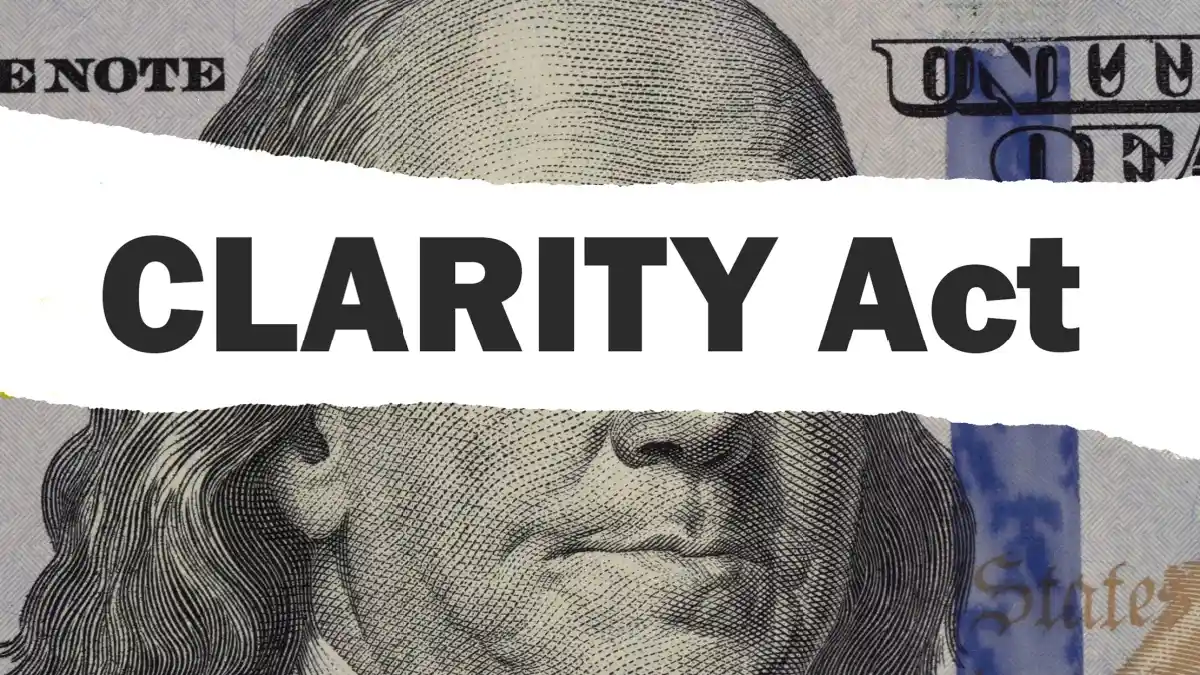
This leaves the Digital Asset Market Clarity Act (CLARITY Act) as the one piece still in play. It would set when a token counts as a security or a commodity, and although it cleared the Senate Banking Committee 15-9 on 14 May and reached the Senate calendar on 1 June, it has yet to win a floor vote.
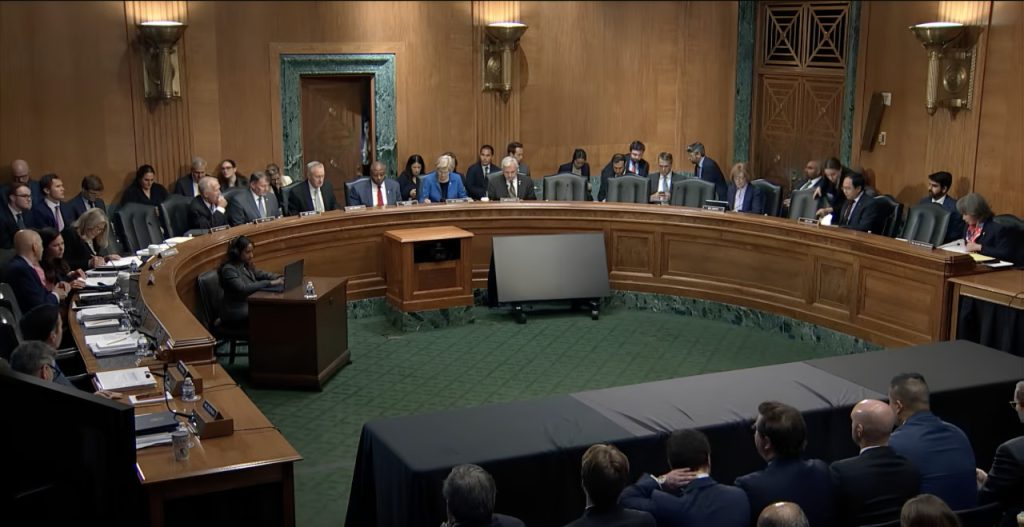
U.S. Senate Banking Committee GOP/ YouTube
Out of step with the rest of the world
Washington is stepping back from a CBDC just as most major economies move the other way. The Atlantic Council counts three countries that have already launched one and dozens more in pilot or development.
In Europe, the ECB is preparing a digital euro, with a pilot due next year and a full launch targeted for 2029, while China keeps expanding cross-border use of the e-CNY, adding 26 financial institutions to its platform this month, and the Bank of Korea has pushed its pilot into live transactions across nine commercial banks.