The decentralised finance (DeFi) firm World Liberty Financial has been granted regulatory approval to become a US bank, which also brings into question – again – Donald Trump’s connection to a company his sons founded.
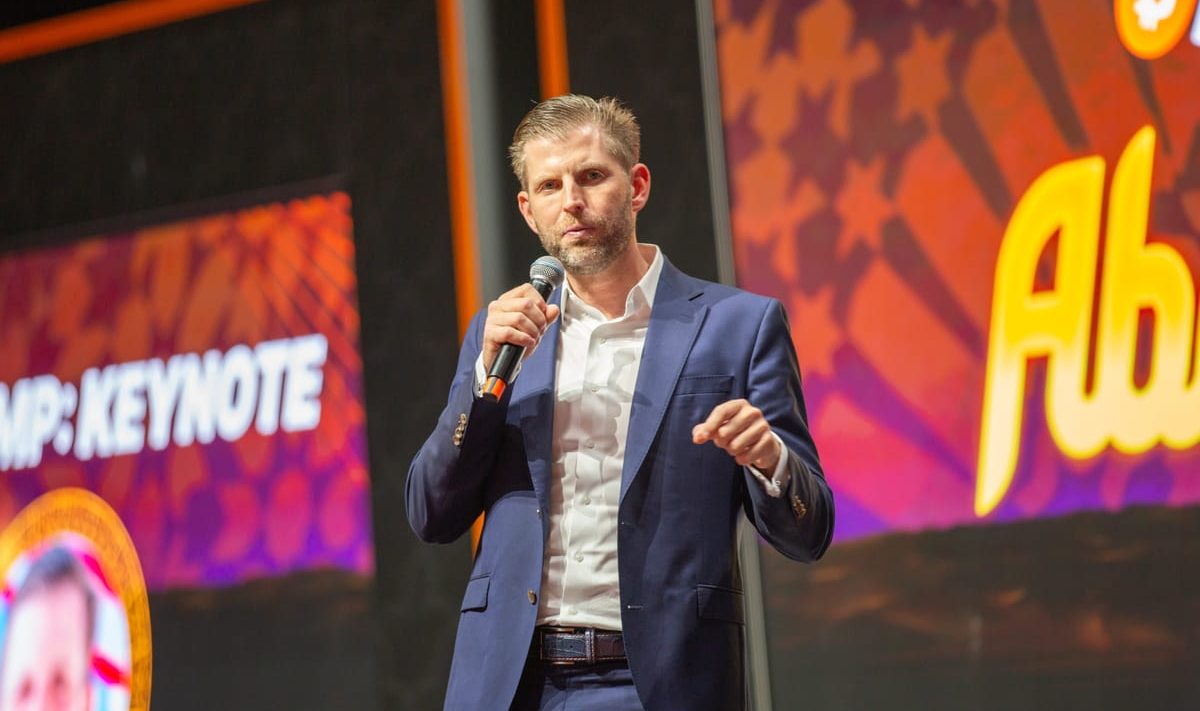
World Liberty Financial, the decentralised finance (DeFi) company founded by Eric and Donald Trump Jr., has received conditional approval to become a national trust charter bank.
The Office of the Comptroller of the Currency (OCC) granted approval to allow the formation of World Liberty Trust Company (WLTC), a de novo national trust bank built to issue its native stablecoin, USD1.
WLTC will operate as a national trust bank under federal supervision, engaging in the issuance and redemption of USD1, management of the reserve backing USD1, and digital asset custody services for institutional customers.
WLTC will be governed by a five-member board that pairs founders of World Liberty Financial with independent directors drawn from accounting, regulatory, and financial services:
- Zach Witkoff (Chair), co-founder and CEO of World Liberty Financial
- Scott Alper, President and Chief Investment Officer of Witkoff Group
- Robert Witkoff, former Co-Chief Investment Officer of The Chubb Corporation, with three decades of investment management experience
- Jeffrey Weiner (Independent Director), former Chairman and CEO of Marcum LLP, one of the largest U.S. accounting and advisory firms
- Erin Baskett (Independent Director), member of the FINRA Board of Governors and founder of brokerage firm Sine Qua Non Capital
World Liberty’s national charter bank will be subject to federal oversight and must comply with strict AML, sanctions screening and KYC regulations. Before commencing operations, WLTC must satisfy the specific conditions set out in the OCC’s approval letter and complete the steps required for the bank to open.
Witkoff, President and Chairman of WLTC, said: “USD1 grew because institutions trust how it operates, and confidence at enterprise scale deserves the backing of federal supervision.
“What makes a stablecoin trustworthy is the strength of the reserve behind it, and who stands accountable for it. A national trust bank brings USD1 issuance, custody, and reserve management together under OCC supervision, examined on the same standards that have governed banks for generations.
“We welcome continuous scrutiny from Federal regulators for many years to come.”
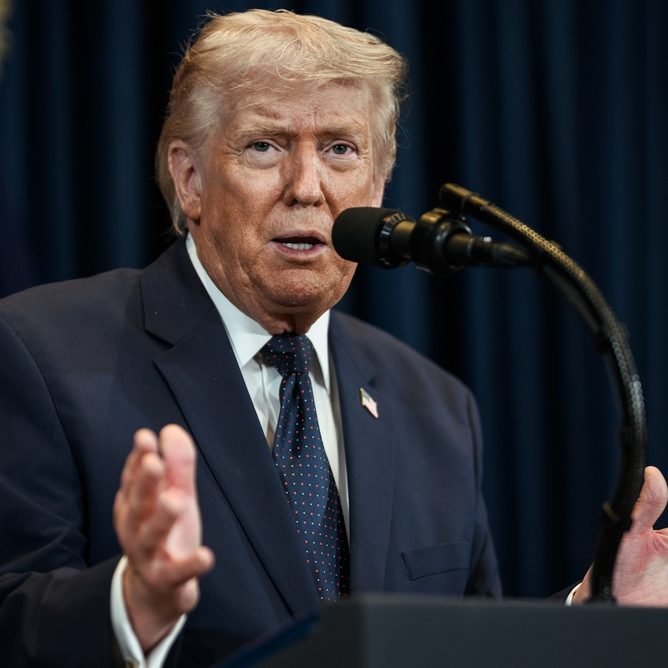
The Trump Connection
USD1 is set for further growth under the regulation of WLTC with $4bn already in circulation, according to World Liberty.
USD1 is backed by US dollars on deposit at financial institutions, US government money market funds, and cash equivalents.
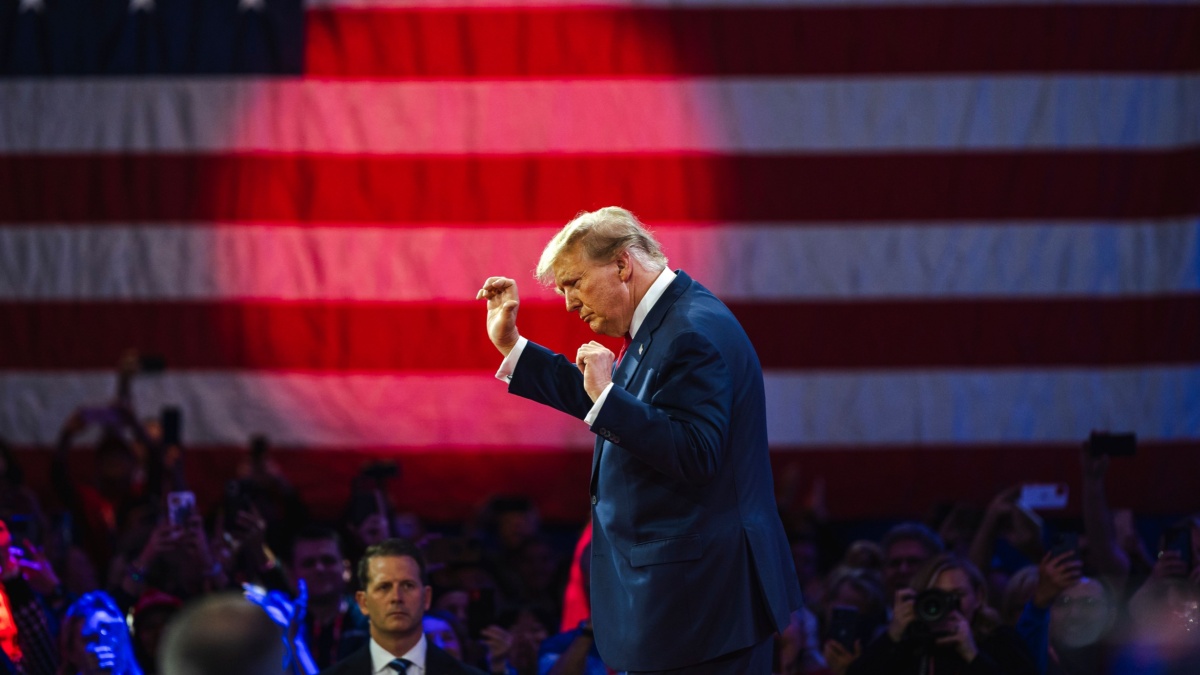
In his 2025 financial disclosures, President Donald Trump revealed he held up to $1.4bn in crypto and digital asset holdings. The President held up to $500m worth of USD1.
Donald Trump’s ties to World Liberty Financial are deep, with his sons Eric Trump, Donald Trump Jr. and Barron Trump all acting as investors in the company.
World Liberty Financial has appeared in many Trump-adjacent events, such as UFC 250 Freedom event at the White House in June, with the DeFi acting as a sponsor and even paying out some UFC fighters their purses in USD1.
The ethics behind USD1 and the CLARITY Act
President Trump’s family ties to World Liberty Financial and USD1 have routinely been brought up by Democrat Senators during discussions over the CLARITY Act.
Senators such as Elizabeth Warren, Elissa Slotkin, and Cory Booker have questioned the ethics involving Trump’s ties and his crypto earnings. Warren wrote a letter last July to Senators stating: “(The) Senate appears to be prioritising legislation that could further boost the Trump family’s crypto businesses”.
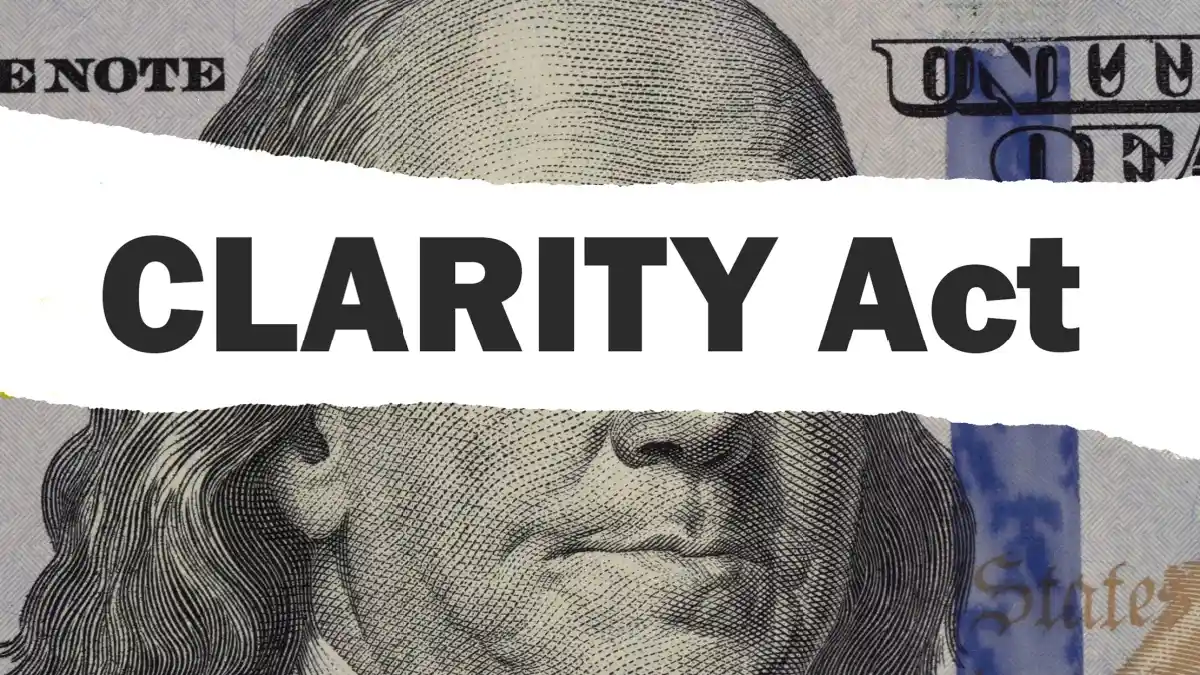
This was ultimately one of the sticking points holding back the CLARITY Act, a piece of US legislation that will clarify and define clear, specific guidelines for crypto and digital asset operators to abide by from both the Securities and Exchange Commission (SEC) and Commodity Futures Trading Commission (CFTC).
In response, President Trump signed “the most comprehensive and wide-ranging ethics provision in history”, according to one White House official.
This ethics provision would see the banning of federal and government officials from holding and benefiting from crypto and digital asset holdings. This was also signed in a bid to accelerate Senate talks to pass the CLARITY Act vote by the 7 August deadline.
However, due to other mitigating factors, Senators never had the sufficient floor time to iron out and debate the language of the Trump-signed ethics provision, as well as other draft proposals.
With the Senate out for summer recess, it is expected that the CLARITY Act, and Trump’s ethics provision, will resume in the Autumn with a possible vote.