The CMA’s push to open up iPhone contactless payments could support the UK’s National Payments Vision by increasing competition and creating opportunities for alternatives to card-based payments.
UK iPhone users could soon have more choice over how they make contactless payments, as the Competition and Markets Authority (CMA) considers changes to Apple’s mobile platform.
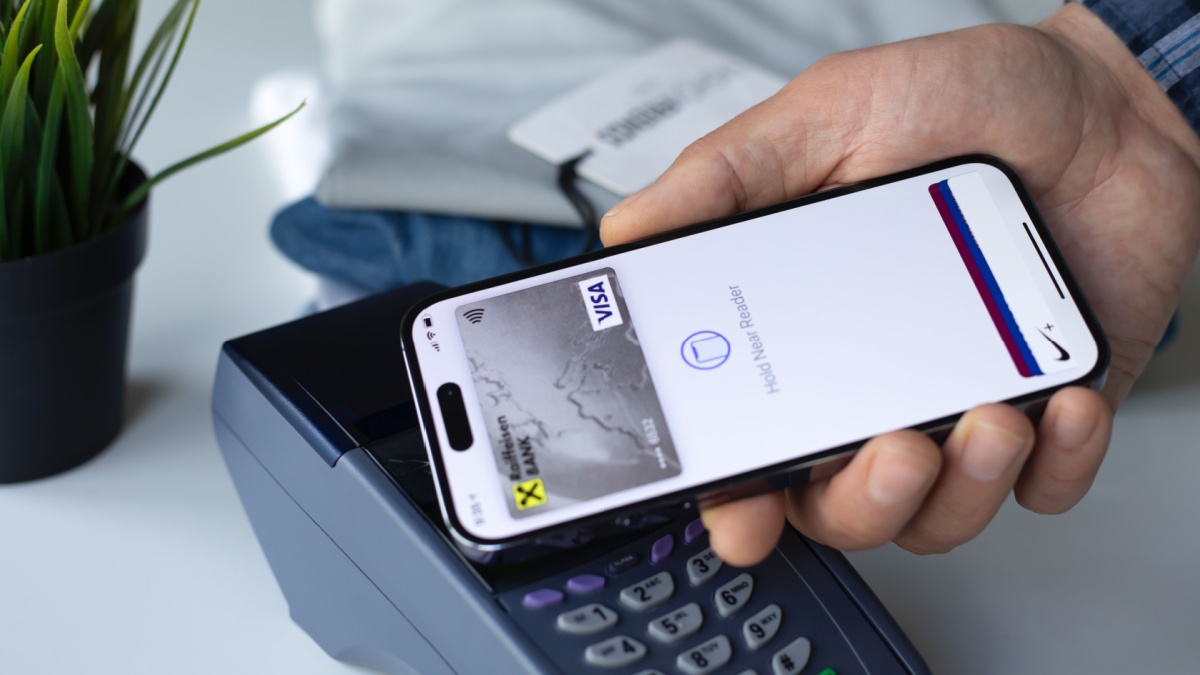
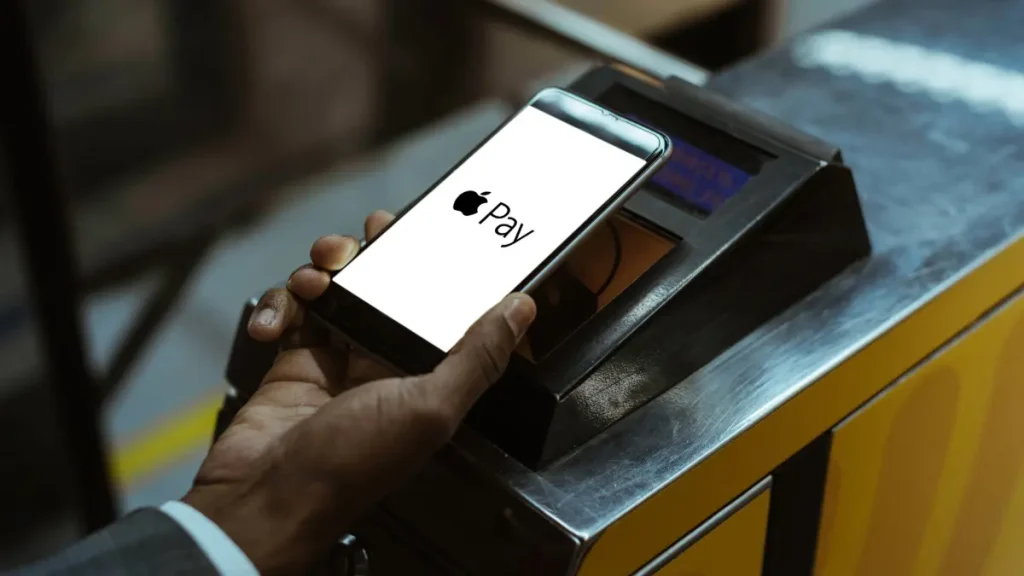
Apple controls access to the iPhone’s Near Field Communication (NFC) technology through commercial arrangements, providing Apple Pay with a dominant position in tap-to-pay transactions. The company says restricting access helps protect users against fraud and security risks.
The CMA designated Apple’s mobile platform as having “strategic market status” last year under the UK’s digital competition regime. This gives the regulator powers to introduce binding conduct requirements, with breaches carrying fines of up to 10% of global turnover.
The Financial Times reports that the CMA is preparing to consult on measures that could allow rival payment providers to offer contactless services on iPhones, giving consumers an alternative to Apple Pay.
It wouldn’t be the first time Apple has opened the chip up to the market. In 2024, the company started allowing rival providers to access NFC through commercial agreements, provided they accepted its fees and security terms.
According to The Financial Times’ sources, regulators believe the arrangement has failed, with adoption among developers never reaching the level needed to create competition for Apple Pay.
Sources briefed on the matter told the publication that Apple is expected to challenge any formal requirements through the courts, adding to a familiar pattern of pushback the tech giant has shown in other markets.
Payment Expert has contacted Apple and the CMA for comment.
Why the UK and EU approaches differ
The CMA’s proposals would reportedly seek to bring the UK closer to the EU’s approach under the Digital Markets Act, which already requires Apple to open NFC access to competing wallet providers across the bloc.
Regulators are concerned that UK consumers are missing out because providers are reluctant to build separate wallet products for the UK and Europe under differing commercial terms.
Last year, the CMA’s mobile ecosystems investigation flagged Apple’s NFC policies as a potential barrier to rival wallets.
The Financial Conduct Authority and Payment Systems Regulator also reported last year that even where NFC access exists, as it has in the UK since October 2024, they’ve struggled to find evidence that meaningful numbers of developers have signed commercial agreements with Apple to use it.
The two regulators also pointed to Google Pay, which has faced little competition despite never restricting NFC access, suggesting market position can limit competition without a technical barrier in place.
Pix shows what else could be possible
According to reports earlier this year, Apple is working towards a potential settlement with Brazil’s competition authority, Cade, that would open iPhone NFC access to third-party providers for Pix.
The dispute dates back four years, with Brazil’s competition watchdog investigating whether Apple’s NFC restrictions give Apple Pay an unfair advantage.
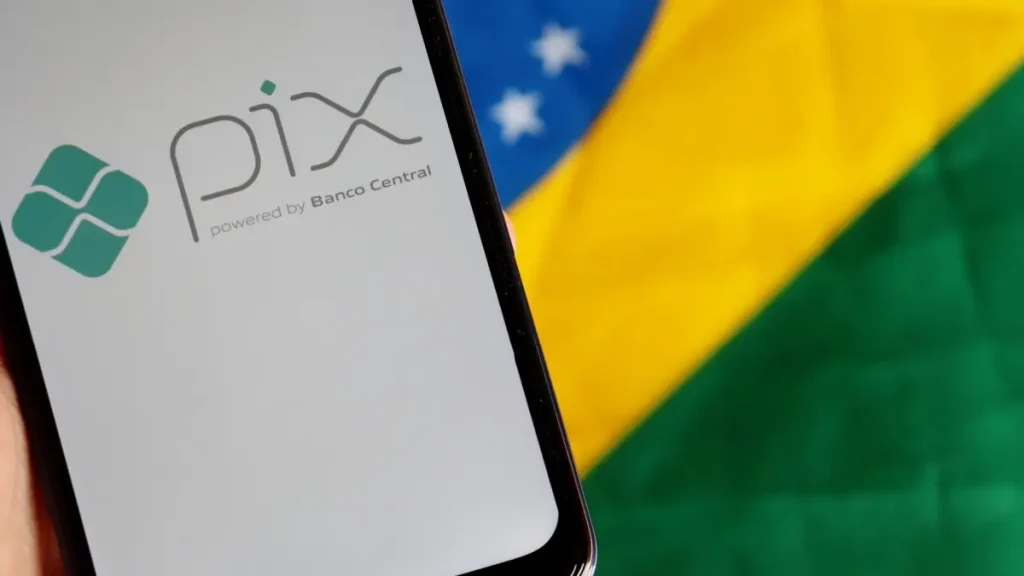
Android users have been able to make tap-to-pay Pix payments through banking apps since Brazil’s central bank introduced the contactless Pix protocol in 2024. iPhone users have been limited to QR codes ever since, making them the only major group shut out of contactless Pix.
Apple has said that QR-based payments meet user needs and that its restrictions align with global security standards, highlighting its 22.1% share of the Brazilian smartphone market.
If an agreement is reached, it would show something the UK and EU cases haven’t yet, with NFC access being used for an account-to-account payment system and not another card-linked wallet.
Such a move may be helpful for the UK, which is currently in the process of modernising its payments landscape and looking to encourage consumers away from card payments to alternatives under its National Payments Vision.
While methods such as pay by bank are slowly gaining popularity in online commerce, in-store transactions are still dominated by card payments. A key reason for this is the convenience of tap-to-pay and the habit this has formed over recent years.