The antitrust case that claimed mobile wallet fees were rigged — and why the judge still left the door open
In 2023, a small Illinois wine retailer called Mirage Wine & Spirits took the bold step of suing Apple, Visa and Mastercard.
Alongside a handful of other independent merchants, Mirage accused the three companies of conspiring to rig the mobile payments market, alleging that they had colluded to restrict competition, maintain inflated transaction fees and deny businesses more affordable alternatives.
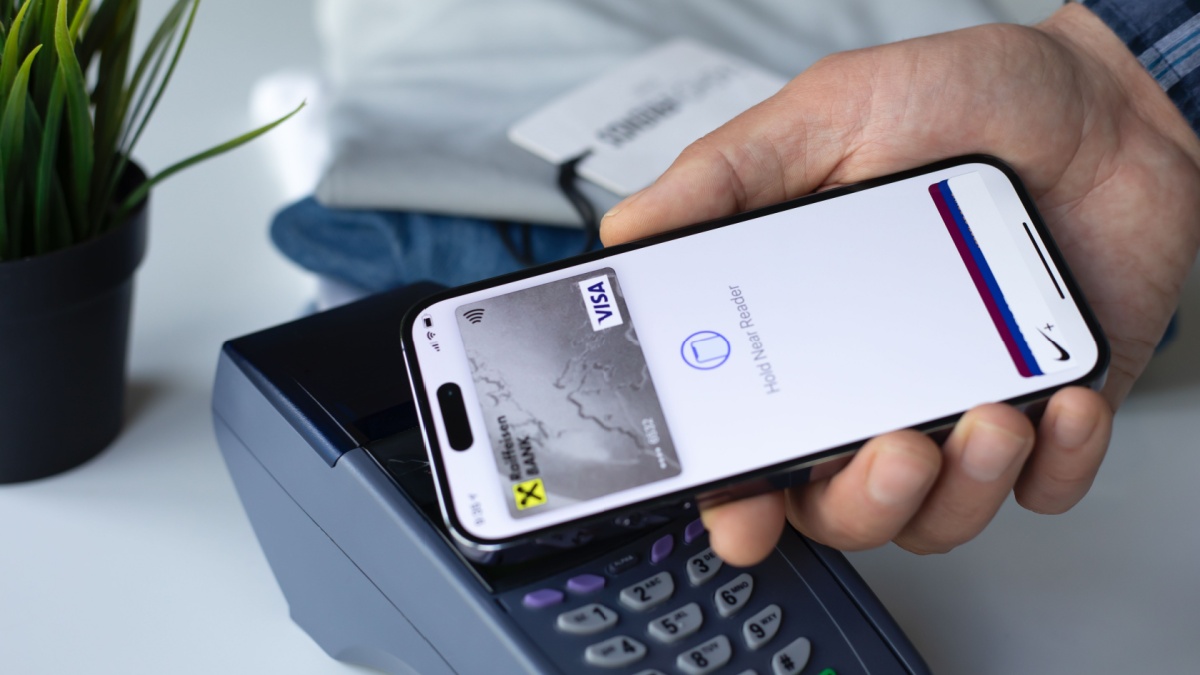
At the centre of the complaint was Apple Pay, the mobile wallet embedded into every iPhone, and the agreements that underpin how it operates. The plaintiffs claimed that rather than launching its own competing payments network, Apple struck secret commercial deals with Visa and Mastercard that allowed the card networks to retain control of in-store transactions, while paying Apple a share of the revenue.
Those fees, which amount to 0.15% of the value of each credit transaction and $0.005 per debit payment, were described by the merchants as a “very large and ongoing cash bribe”.
Only July 7, a federal judge dismissed the case, but left the door open for the merchants to try again. While the court found the evidence lacking, the case taps into a broader question facing the payments industry: is mobile wallet innovation reinforcing the old card-based model, or disrupting it?
Why merchants sued
At the heart of the case is a long-standing frustration among US retailers: that card processing fees remain stubbornly high, particularly compared to other jurisdictions such as the EU. Visa and Mastercard together account for more than 80% of the US card payments market, and the rise of mobile wallets has done little to dent that market power.
Merchants argue that Apple was in a unique position to change this. When it launched Apple Pay in 2014, Apple had the scale, hardware control and consumer reach to build an alternative payment network, potentially one that routed transactions via bank transfers or cheaper rails.
Instead, according to the suit, Apple made a commercial decision to stay out of the payment network business. In exchange, Visa and Mastercard agreed to pay Apple a share of their transaction fees every time a user tapped Apple Pay at the point of sale.
These payments, the plaintiffs claimed, were not just a revenue share; they were a “very large and ongoing cash bribe”, worth hundreds of millions of dollars annually.
The merchants further alleged that Apple locked out any rival wallet providers from accessing the iPhone’s NFC technology, ensuring that Apple Pay would remain the only contactless option for iPhone users.
For businesses accepting cards, that meant little choice but to keep routing transactions through Visa and Mastercard, at the same fees as before.
The court’s decision

US District Judge David Dugan has now rejected the merchants’ complaint, stating that it failed to plausibly demonstrate a conspiracy under antitrust law. He said the plaintiffs relied on “a slew of circumstantial allegations”, and had not shown that Apple ever intended to build its own network or had any obligation to do so.
The judge noted that the merchants had ignored “the difficulties, costs and time, risks, and potential for failure” that would come with taking on Visa and Mastercard at the network level. He also agreed with Apple’s argument that the complaint could not infer wrongdoing simply because the company made a business decision not to enter a particular market.
However, Dugan did not close the case entirely.
He dismissed the complaint without prejudice, giving the plaintiffs 30 days to refile with additional detail. That means the court is still open to hearing the case, provided the allegations are backed by more concrete evidence.
Why this matters for payments
For payments professionals, the Mirage Wine case taps into several unresolved questions around market access, fee transparency and the role of big tech in the payment stack.
Apple Pay is one of the most widely adopted mobile wallets in the United States, but it does not disintermediate Visa or Mastercard. Instead, it operates on top of those networks and takes a cut of the interchange; a model that has drawn scrutiny from regulators in both the US and the European Union.
The lawsuit challenges whether this model is competitive or collusive. If a mobile wallet cements existing fee structures, restricts rival access, and benefits from exclusivity over key hardware features, is it acting in the interest of the ecosystem, or in lockstep with the card networks it relies on?
Those questions remain particularly relevant as contactless payments continue to grow, and as mobile wallet adoption expands globally. In Europe, Apple has already faced regulatory pressure to open access to the NFC chip under the Digital Markets Act. A ruling in the US that compels further transparency or structural change could have ripple effects for the entire wallet model.
What’s next?
Unless the plaintiffs choose to walk away, a second amended complaint is likely to be filed in the coming weeks.
If they can successfully address the judge’s concerns and allege specific evidence of a coordinated agreement, the case could proceed into discovery, potentially revealing how Apple’s deals with Visa and Mastercard were structured, and what impact they had on market competition.
For now, the ruling offers some relief for Apple, Visa and Mastercard. But the broader regulatory debate around mobile wallet competition, payment network access, and fee economics is far from settled.