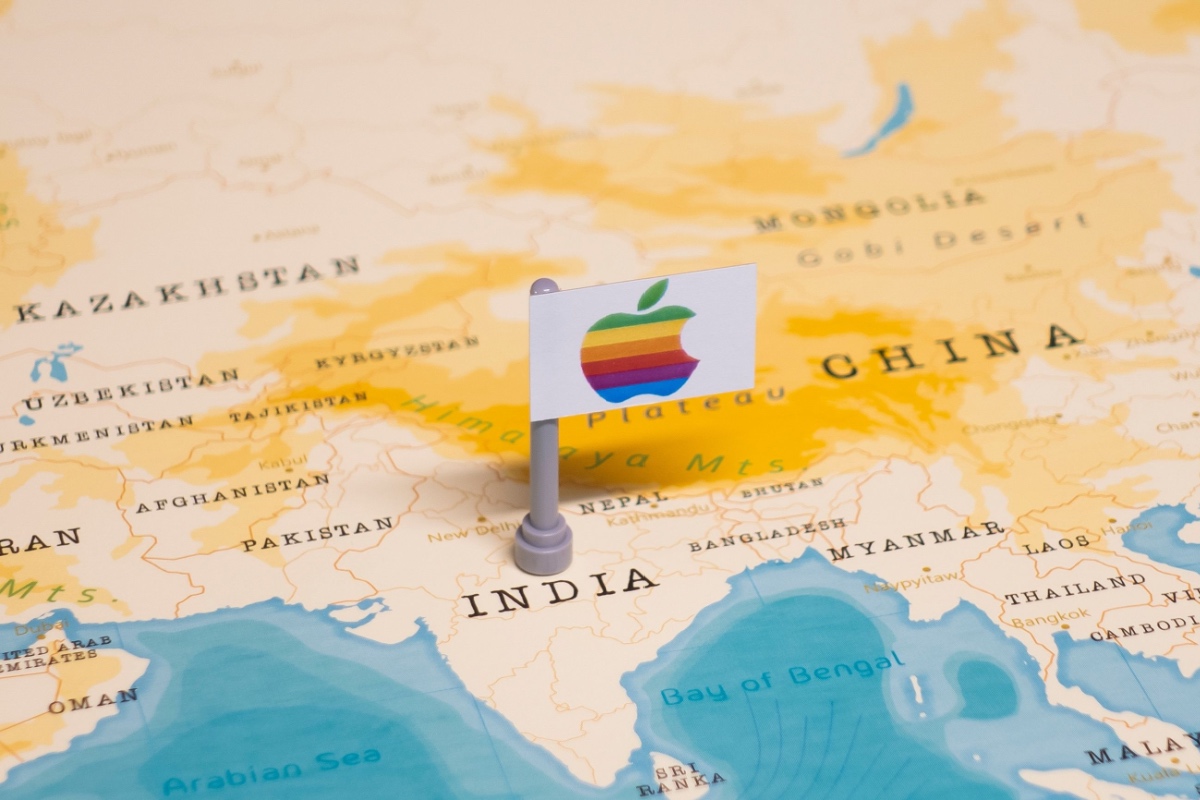
Apple could soon make its debut in India but will not carry support for the country’s most popular payment method.
Apple is set to launch Apple Pay in India in October to be compatible with Visa and Mastercard-issued cards, but will not initially support Unified Payments Interface (UPI) payments.
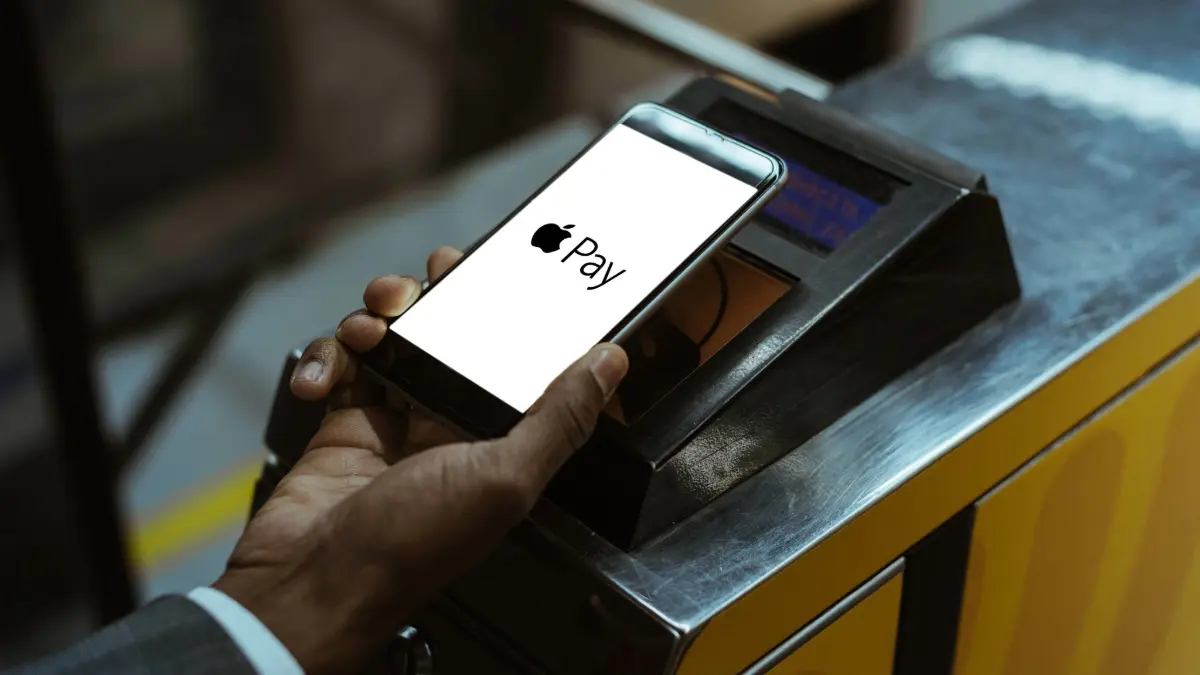
According to reports from India, Apple Pay will support iPhone and Apple Watch users in the country to perform NFC point-of-sale transactions.
Banks such as Axis Bank, HDFC Bank and ICICI Bank have been working alongside Apple to support its Indian rollout by providing provision cards.
Apple Pay is currently only available for international users to make payments from Indian merchants and businesses. Local payment providers, such as Razorpay, Cashfree and PayGlocal, support Apple Pay transactions but only for cross-border payments from countries like the US, UK and United Arab Emirates (UAE).
Despite being one of the most popular digital wallets in the world, Apple Pay has faced similar slow market entries in China, Thailand and South Korea due to local regulations and competitiveness from popular local players.
Apple Pay also not supporting UPI may see the payment method suffer from the early outset, although some reports out in India suggest Apple Pay will conduct a phased rollout and will support UPI down the line.
Merchant costs a key factor
Currently, Apple Pay is free for consumers and charges 0.15%, and in some cases up to 0.20% which varies, for merchants using the payment method.
This is a stark difference from UPI, which charges zero fees for customer peer-to-peer payments and for merchants too.

However, India’s Ministry of Finance has confirmed it will be introducing a merchant discount rate of 0.25%-0.5% for payments that exceed ₹2,000 (£15.53). This would mark UPI’s first attached fee to the digital payment method since launching over a decade ago.
The government has said this threshold would touch only around 5% of UPI transactions by volume because it would exclude the low-value payments that make up most of the system’s daily use.
UPI may be the most popular payment method in India, even surpassing Visa in total transaction volume at times, but attaching merchant fees for the first time could provide Apple with a competitive edge it seemingly was lacking before.
The regulatory compliance angle
For Apple to expand its payment services across India it first must comply and integrate the country’s National Payments Corporation of India (NPCI) systems.
NPCI was launched by the RBI and the Indian Bank’s Association (IBA) to bring forth a new digital-first and unified payment rail which aims to accelerate domestic retail payments, as well as 24/7 access and support demographics shifting away from cash.
This enabled UPI to become the most popular real-time payment method in India, and one of the most successful in the world.
Apple will also have to comply with the RBI’s data localisation rules. The Indian central bank mandates all payment operators to store their payment data for transactions settled in the country exclusively with RBI. Payment data, such as names and passwords, must also be stored in India and nowhere else.
These rules are implemented so RBI and other authorities have direct access to payment data and can react quicker to cybersecurity threats, reducing fragmentation and boosting data sovereignty.
Compared to Apple Pay’s home market of the US, where the country’s data localisation laws are more relaxed, this may provide local expertise of the Indian market with the right employees.