Lloyds’ reported acquisition of Curve could give the UK’s largest retail bank a chance to challenge Apple and Google in the digital wallet market.
Lloyds Banking Group has reportedly agreed to acquire digital wallet provider Curve in a deal valued at £120m ($158.1m).
The acquisition is said to be part of Lloyds’ strategy to strengthen its online payments offerings and broaden its digital banking footprint.
Curve, which allows customers to consolidate multiple payment cards into a single digital wallet for in-store and online transactions, has been in discussions with Lloyds since July 2025.
The fintech was valued between £100m and £120m during initial talks and terms are understood to have been agreed on the upper end of that range.
In what looks like a straightforward agreement, the deal has not been without controversy. Some Curve investors have expressed disappointment over the sale price, arguing it falls short of the company’s original ambitions.
In a circular obtained by Sky News, Curve acknowledged the concerns: “We recognise that the value of this transaction falls short of the ambitions we all held for Curve, and we share the disappointment some of you may have in this outcome. Yet, the board strongly believes this transaction represents the best available path forward for Curve’s creditors and shareholders as a whole.”
IDC Ventures, Curve’s largest external shareholder with a 12% stake, voiced strong objections to the transaction, stating it remains “deeply concerned about the conduct of Curve’s management and board during the current sale process” and “does not intend to support the proposed sale.”
Despite IDC Ventures adding it will reserve all legal rights to protect shareholder interests, a formal announcement of the acquisition is expected in the coming days.
Lloyds’ opportunity to challenge
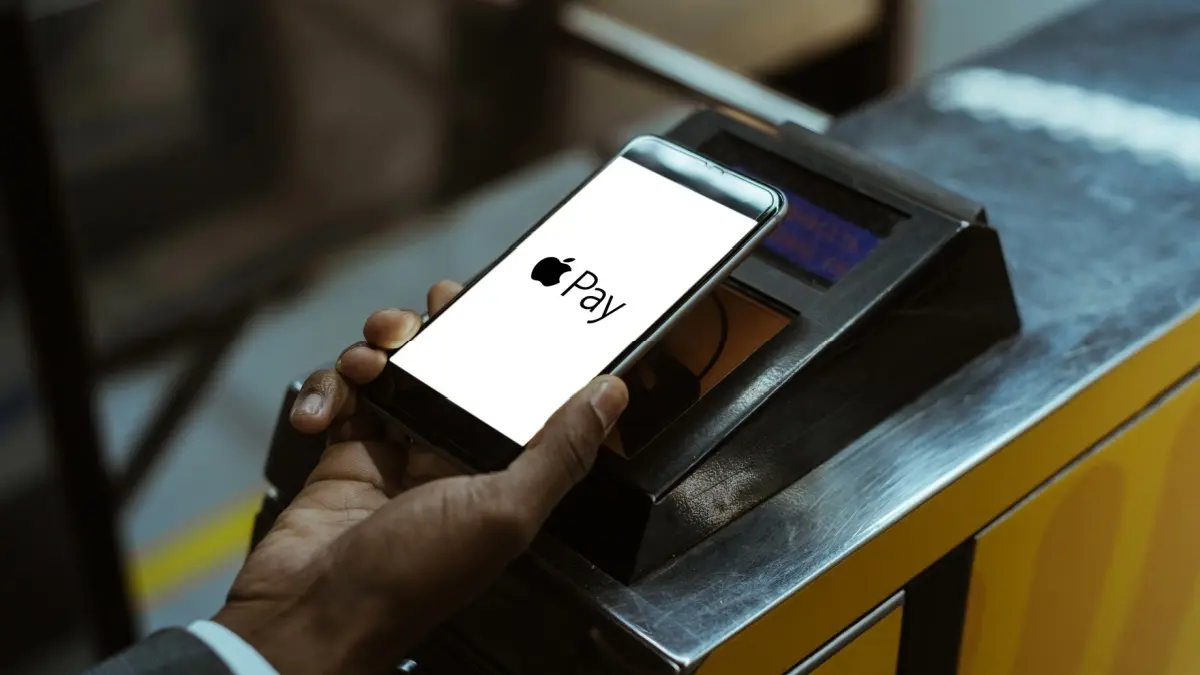
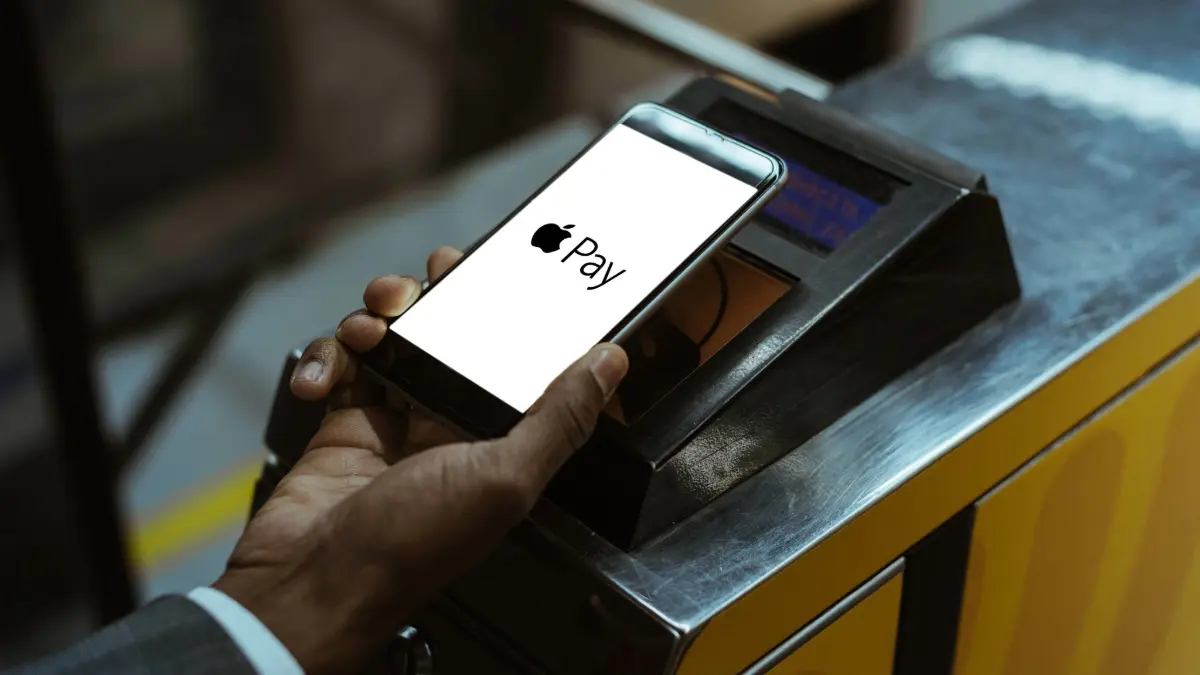
Lloyds’ acquisition of Curve could give the UK’s largest retail bank a chance to compete in the digital wallet market, which is currently dominated by Apple and Google. According to research by Finder, around 40% of online transactions in the UK are now made via digital wallets, highlighting the potential for a strong alternative.
Regulators have repeatedly flagged concerns over the lack of competition. In February 2025, the Payment Systems Regulator (PSR) and the Financial Conduct Authority (FCA) invited feedback from industry stakeholders on big tech and digital wallets.
One of the key points raised was the limited options available to consumers beyond Apple Pay and Google Pay.
Part of the challenge has been technical, as until October 2024, Apple restricted access to the NFC chip in iPhones, effectively blocking third-party developers from building contactless payments solutions.
While this restriction has since been lifted, regulators have struggled to identify how many developers have successfully entered into commercial arrangements with Apple. On Android, Google Pay has faced little competition despite no technical barriers.
Lloyds could be well positioned to provide a genuine alternative, with more than 30 million customers and a digital transformation strategy which appears to be paying off. The bank recently reported 20.9 million mobile app users and 95% of retail sales processed digitally in its 2025 half-year results.
In addition to competing in the digital wallet space, the acquisition would also act as a reminder to neobanks such as Monzo and Revolut that traditional players should still be taken seriously in the digital world.