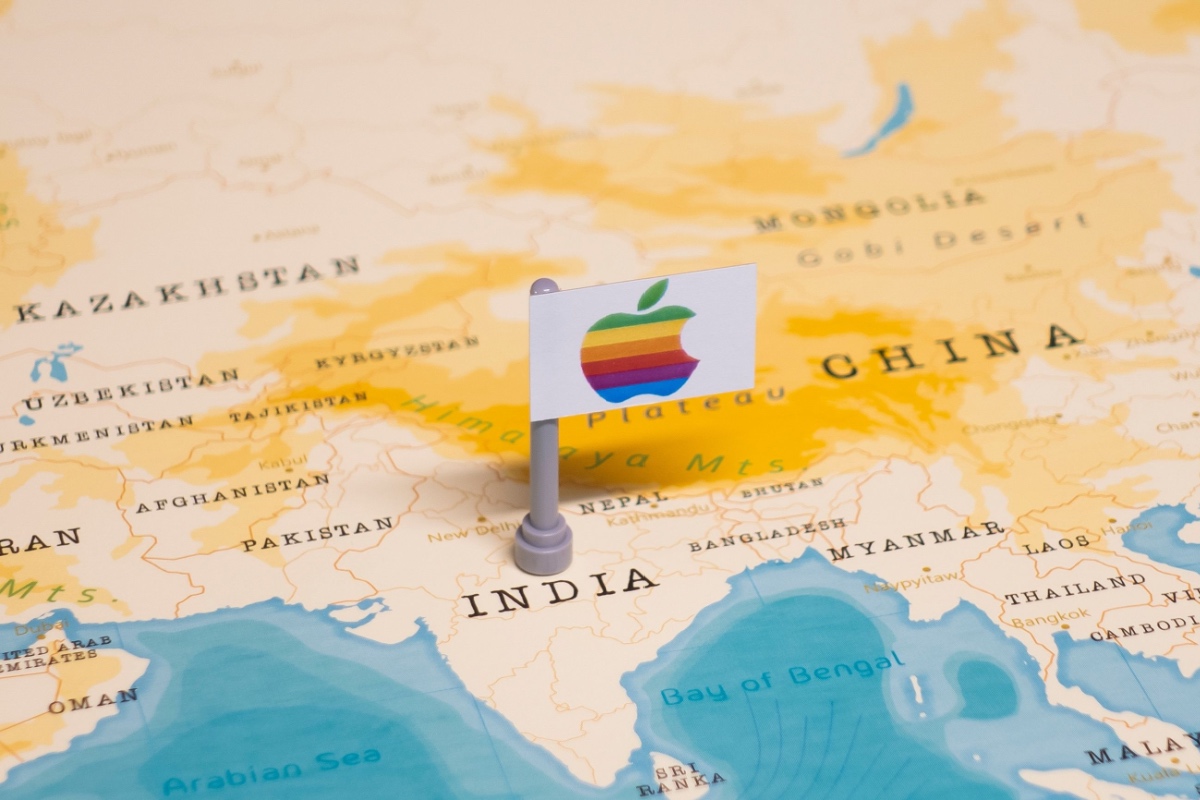
Apple Pay is set to launch in India for the first time in October and it will be joining a crowded, competitive and lucrative market.
Apple is reportedly planning on launching Apple Pay in India in October 2026 with the backing of India-based Axis Bank.
The Big Tech firm is working with Axis Bank to support its Apple Pay expansion in India by becoming its first banking partner in the country.
Axis Bank is the fourth largest credit card issuer in India, behind HDFC Bank, ICICI Bank and SBI Card. The bank has over 16 million active credit cards in use since July 2026.
Apple reportedly held discussions with HDFC Bank and ICICI Bank before coming to an agreement with Axis, according to Reuters.
Apple Pay will support iPhone and Apple Watch users in the country to perform NFC point-of-sale transactions.
Apple Pay is currently only available for international users to make payments from Indian merchants and businesses. Local payment providers, such as Razorpay, Cashfree and PayGlocal, support Apple Pay transactions but only for cross-border payments from countries like the US, UK and United Arab Emirates (UAE).
An official, widespread launch in India would make Apple Pay available to the most populous country in the world with an estimated 35 million to 45 million iPhone owners – 7%-9% of the country’s mobile market.
A competitive Indian digital payment market
India is home to Unified Payments Interface (UPI), the most popular digital payment method amongst Indians which accounted for over 228 billion transactions last year alone.
Peer-to-Peer and Account-to-Account payments have surged in popularity in recent years in India, primarily due to UPI, but also due to the amount of options in the country, such as PhonePe, Google Pay and Paytm.
Reports emerged in August 2026 that Apple Pay will not initially support UPI payments which could significantly hinder its early performance from the outset. However, Apple Pay may conduct a phased rollout and will support UPI down the line, according to reports in India.
The data regulations
Apple must comply and integrate the country’s National Payments Corporation of India (NPCI) systems.
Apple will have to comply with the RBI’s data localisation rules. The Indian central bank mandates all payment operators to store their payment data for transactions settled in the country exclusively with RBI. Payment data, such as names and passwords, must also be stored in India and nowhere else.
These rules are implemented so RBI and other authorities have direct access to payment data and can react quicker to cybersecurity threats, reducing fragmentation and boosting data sovereignty.
Compared to Apple Pay’s home market of the US, where the country’s data localisation laws are more relaxed, this may provide local expertise of the Indian market with the right employees.