Foldable phones could change how consumers interact with payments, making providers rethink contactless and online checkout.
If you’re a self-proclaimed technophile or perhaps you just really like origami, you’ve probably seen the excitement around Apple’s new foldable phone, the iPhone Duo
The device allows users to switch between a smartphone-sized screen and a much larger display by opening it up.
It is an impressive piece of hardware, though there have been countless other foldable phones before it. However, because Apple releases one, it grabs the attention of the world.
There are a lot of questions that spring to mind when reading about Apple’s iPhone Duo, the main one being who is spending $1,999 on it. After asking that, the one that comes to mind is how does this impact payments?
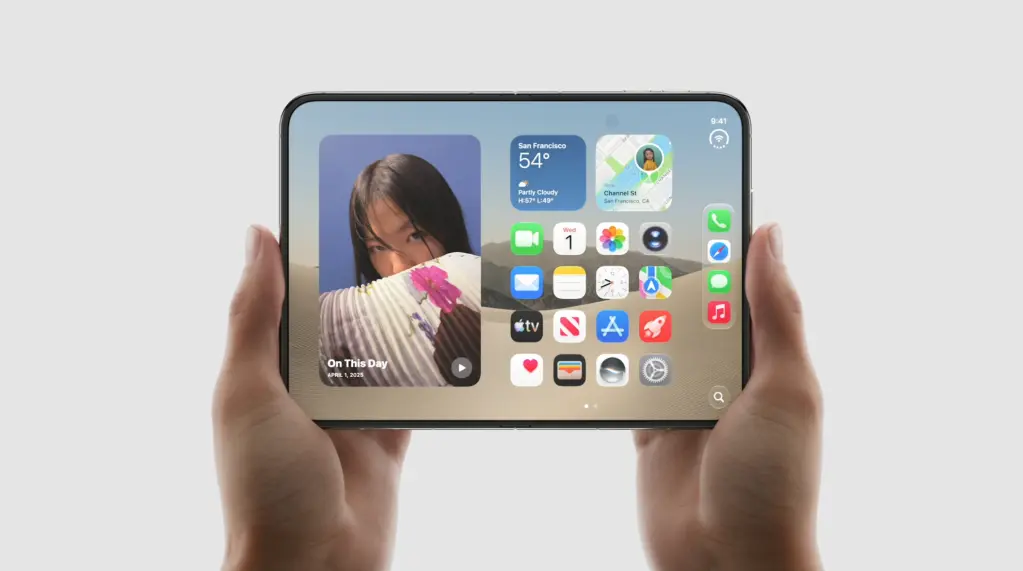
Folding shouldn’t change the journey, but…
Phones have become important devices over recent years, acting as a mobile encyclopaedia and, more recently, even being used as a personal assistant. However, payments have also started to rely on them.
Whether you’re in parts of Asia using it to send money on a super app or scan QR codes, in Africa sending mobile money, or in the UK tapping it against a reader for the train or tram, phones have become a vital part of how we pay.
The former examples probably don’t change too much, but there is a potential change for those who like to tap.
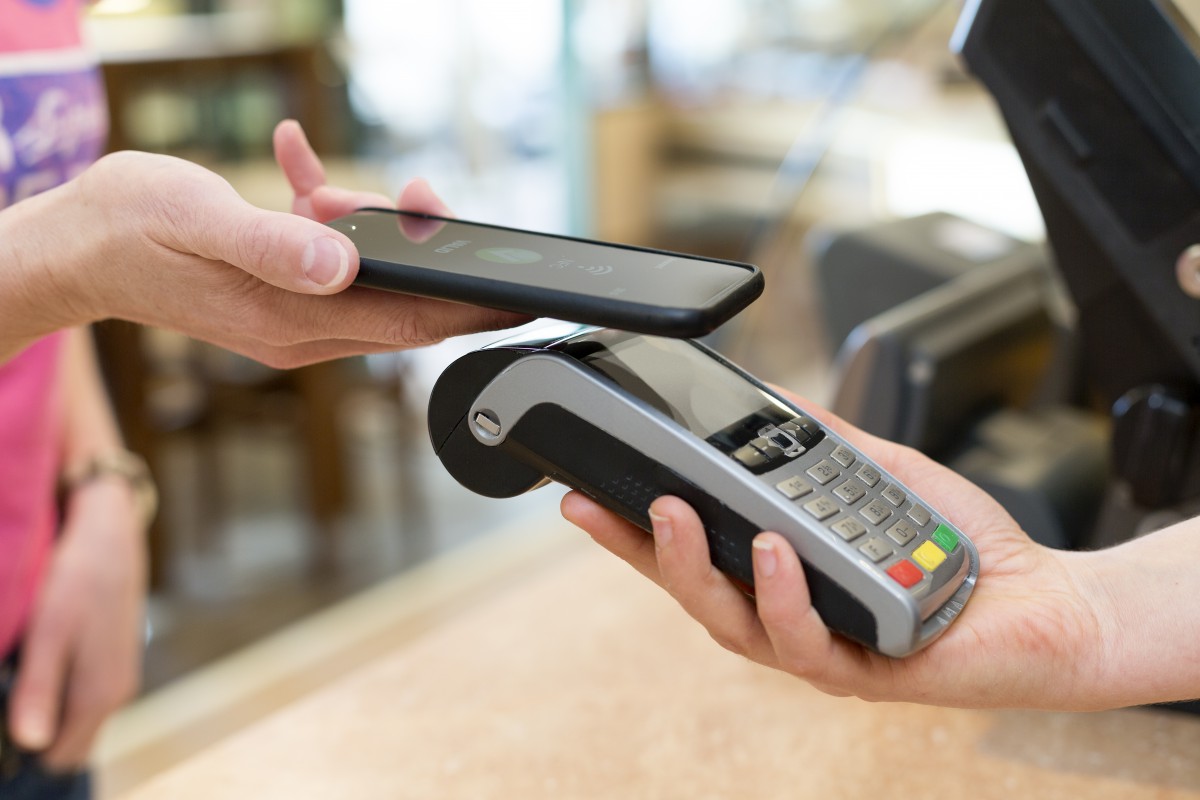
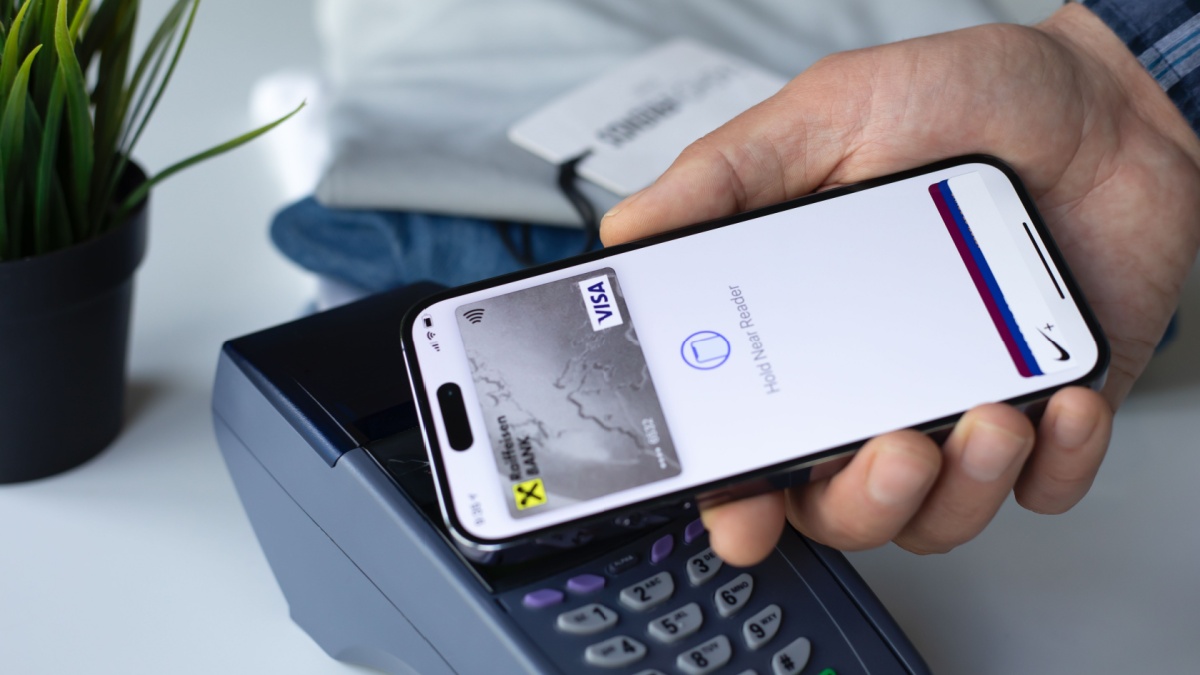
When you look at physical payments, contactless terminals have been built around a very specific action of holding the top edge or back of a flat rectangle against a reader. While most people can probably do this with their eyes closed, foldables challenge muscle memory.
Because engineering a folding device means splitting components across two halves, hardware manufacturers have to place the near field communication (NFC) antenna in a specific spot, which is usually near the outer camera module on one side of the phone.
This creates a few subtle changes at the point of sale, such as if a customer tries to tap while holding the phone unfolded, the antenna position shifts relative to their hand, leading to missed reads or awkward angles over a reader.
This physical friction might sound minor, but in payments, human behaviour is one of the hardest things to change. Consumers expect contactless payments to work instantly and predictably without having to think about where the sensor is or whether their phone is open or shut.
Getting people to change how they pay is a challenge even regulators struggle with. Just look at Europe, which has spent years attempting to move its citizens away from credit and debit networks.
Foldable phones also have the potential to create issues online as well. Imagine a customer starts checking out on the smaller outer screen of a foldable phone and then opens the device to see more information. This could result in them finding that the checkout has reformatted, reloaded or moved them to a different stage of the payment.
Nothing may have gone wrong, but from the customer’s perspective, something has changed at the point where confidence and convenience matter most.
Data from the Baymard Institute reveals that 17% of online shoppers have abandoned an order specifically due to a “too long or complicated checkout process”, showing that any unexpected interruption, re-layout, or friction during payment steps hurts user trust.
More screen space could improve payments
Foldable phones aren’t mainstream yet, with many people’s last experience of a phone with a hinge being their old Nokia that they could throw at a wall and still expect to work.
If they do become the norm, there are opportunities for payments and e-commerce companies to think about.
An unfolded phone provides considerably more display area, giving payment providers a chance to solve one of mobile checkout’s biggest design flaws, which is a lack of clarity.

For years, designing mobile payment flows has meant constantly trimming text to fit a 6-inch vertical screen, which works fine for buying a coffee, but creates friction during complex financial decisions.
Nouran Moustafa, Practice Principal at Roxton Wealth, tells Payment Expert that larger foldable screens could give payment providers more room to explain complex financial decisions, including repayment schedules, total costs and affordability information.
Buy now, pay later (BNPL) platforms, for instance, have faced scrutiny from regulators over hidden fee structures or unclear repayment schedules. Unfolding a screen allows a provider to outline total interest, repayment dates, and late-fee policies side by side.
Foldables also unlock dual-screen and multitasking capabilities that could change how consumers authenticate transactions. Most of the time, Strong Customer Authentication (SCA) forces a buyer to jump back and forth between a retail browser, a banking app, and an SMS verification message.
On an expanded inner screen, a user can view their banking app verification next to the merchant checkout window, potentially eliminating app-switching and reducing the drop-off rates that plague high-value mobile payments.
What Apple’s foldable means for payments
Foldable phones may still feel like a gimmick and it’s unlikely they will revolutionise tech the way Apple did before with touchscreen smartphones. However, as Apple enters the space, it establishes a baseline for how mobile software experiences need to adapt.
The lesson here in the payments industry is about recognising that mobile may no longer mean designing for a single static screen.
As connected cars, wearables, and multi-display foldables fragment hardware formats, payment providers have to focus on cross-device continuity.
Moustafa says that the payments industry still designs too much around the assumption that mobile means one rectangular screen. As devices become more varied, Moustafa believes providers need to stop designing around individual devices and start designing around behaviour.
“The winners will be the providers that stop designing for devices and start designing for behaviour,” Moustafa concludes.
“Consumers do not care where the NFC antenna sits or how complicated the backend is. They care that the payment works instantly, securely and predictably. The technology can become more complicated. The customer experience cannot.”