Ecobank has agreed to join CIPS as a direct participant, following in the footsteps of Standard Bank and Bank of Kigali within the network
Ecobank has agreed to join the Cross-Border Interbank Payment System (CIPS) for transactions in yuan, the group’s CEO, Jeremy Awori, told Reuters.
Awori described CIPS as “a key part of the infrastructure supporting international RMB (renminbi) payments” and said the network connects more than 5,000 banks across over 100 countries and territories. The agreement links China’s leading payments infrastructure to Ecobank’s banking and payments network, which operates in 34 African countries.

Ecobank is also in talks with the Bank of China to jointly offer yuan settlement services, according to Awori, and an announcement on this is expected shortly.
Awori told Reuters in April the lender is working towards a product for direct settlement from local currencies to the yuan by the end of 2026, thereby eliminating the dollar as an intermediary step.
In December 2025, Ecobank signed a memorandum of understanding with the Mauritian branch of the Bank of China regarding trade finance, payments and RMB facilities.
One of Ecobank’s subsidiaries, Ecobank Guinea, is already part of the network. The Bank of China announced it supported the subsidiary’s accession to CIPS as an indirect participant in March, granting the Guinean branch access to renminbi clearing via its correspondent bank.
The deals arrive as demand for direct settlement of African currencies in yuan has increased as trade with China grows, and Beijing has pushed for the internationalisation of the renminbi to break the dollar’s dominance in global trade and reserves. Both factors have prompted African banks to invest in Chinese payments infrastructure.
Standard Bank has processed 8bn CNY via CIPS since 2025
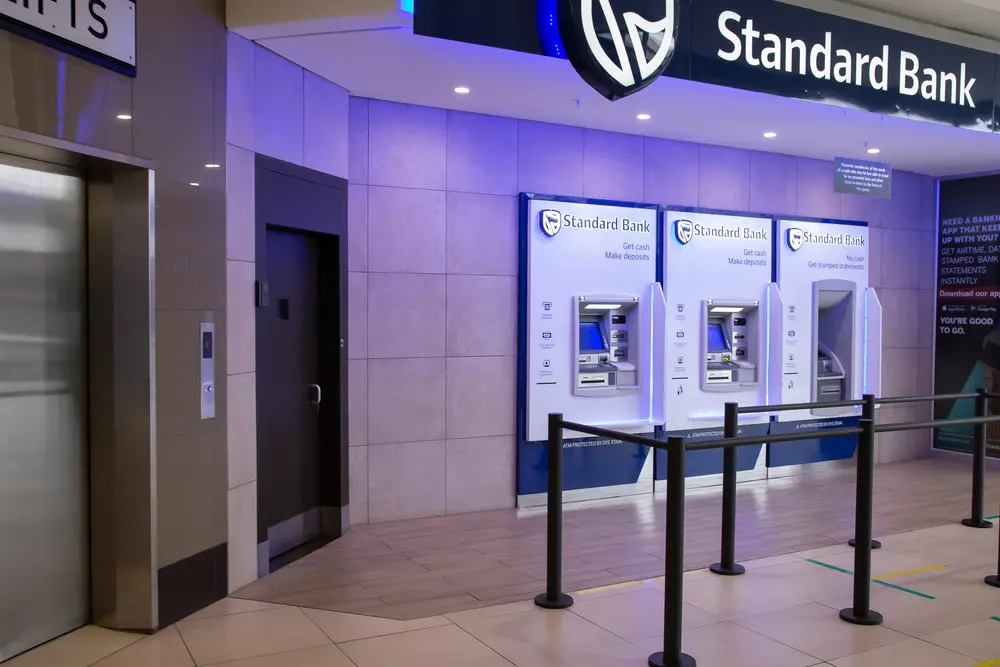
In November 2025, South Africa’s Standard Bank became the first African lender to join CIPS, and in June 2026, together with the Industrial and Commercial Bank of China, it was authorised to process yuan across the entire continent.
Standard Bank, in which ICBC holds a 20% stake, is authorised to process yuan in 19 African countries and announced on 27 July that it had processed 8bn CNY ($1.2bn) via CIPS since the end of 2025.
In June 2025, Afreximbank signed up as a direct participant in Shanghai, alongside Standard Bank. This made the bank one of the first group of foreign direct participants in CIPS from Africa, the Middle East, Central Asia and Singapore.
Bank of Kigali signed its direct participation agreement in Xiamen on 8 September, becoming the first bank headquartered in East or Central Africa to join the network. The Rwandan lender plans to double the number of its Chinese partner banks from three to six by the end of 2026.
Elsewhere, Angola’s central bank has added the yuan to the currencies that commercial banks are permitted to hold to meet their foreign currency reserve requirements, alongside the dollar, the euro and the rand.
103 of the 1,619 indirect participants in CIPS are African
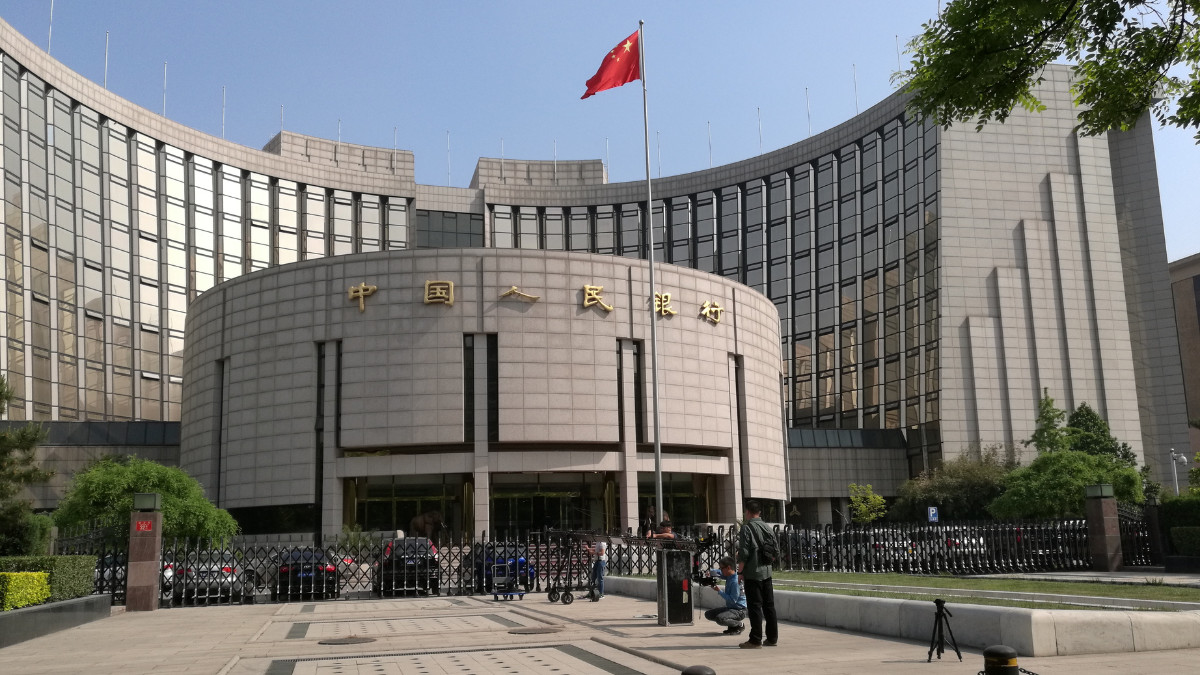
In June 2026, CIPS had 210 direct participants and 1,619 indirect participants worldwide, including 103 indirect participants in Africa, a network built after the People’s Bank of China launched the system in 2015.
Trade between China and Africa totalled $348bn in 2025, an increase of 17.7% compared with the previous year. Chinese exports to Africa amounted to $225bn and imports from Africa to $123bn, resulting in a surplus of $102bn in China’s favour.
According to Chinese customs data, bilateral trade in the first half of 2026 totalled $203.5bn, an increase of 24% compared with the same period last year. On 1 May, China extended the zero-tariff scheme to all 53 African countries with which it maintains diplomatic relations.