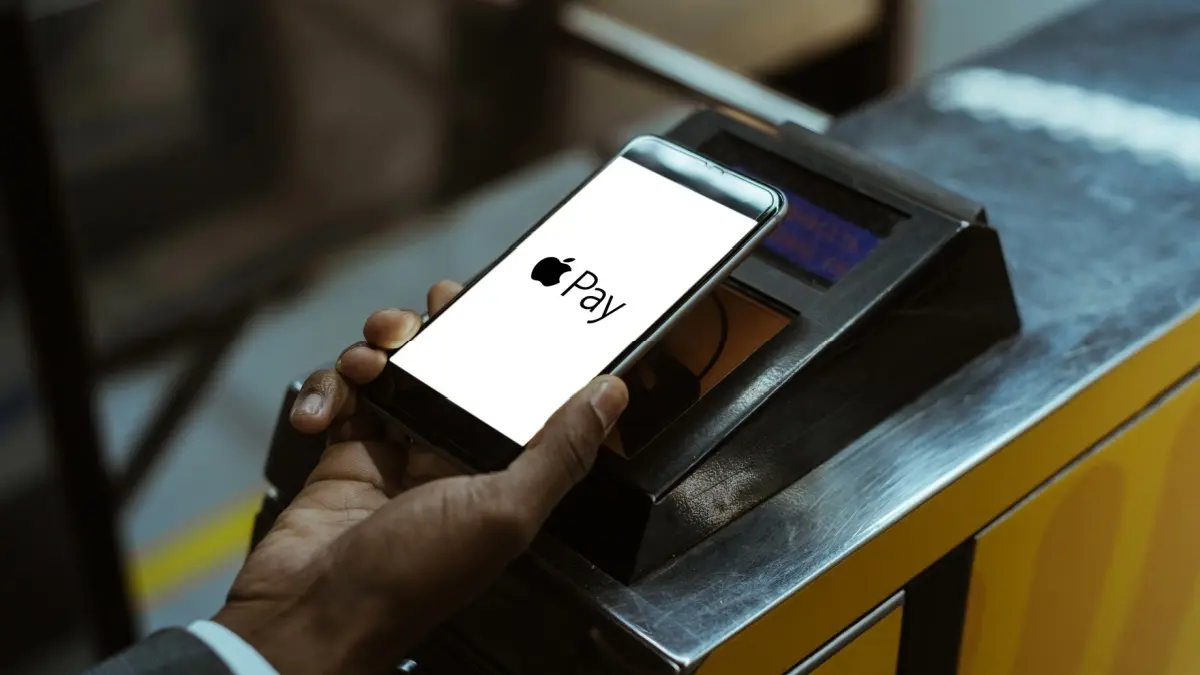
Apple Pay has launched in the Philippines, gearing the market up for a battle at checkout with established mobile wallets.
As of 2 August, eligible Visa and Mastercard cardholders in the Philippines can add their cards to Apple Wallet and make contactless payments using an iPhone, Apple Watch, iPad or Mac.
Purchases can be authenticated with Face ID, Touch ID or a device passcode and Apple Pay is also supported for in‑app and online transactions.
Apple has announced that four banks are supporting the payment method at launch – Chinabank, GoTyme Bank, Metrobank and UnionBank – with more issuers expected to follow in the coming days.
Cardholders can integrate their cards into Apple Wallet as participating banks roll out support, enabling Apple Pay transactions at nationwide contactless terminals and select e-commerce platforms.
According to Apple’s website in the Philippines, merchant adoption currently includes brands like Foot Locker, JD Sports and Shake Shack.
How competitive is the Philippines?
The launch brings the Philippines in line with other Southeast Asian markets where Apple Pay is already established, including Singapore, Malaysia and Vietnam. However, the Philippines may be the tech giant’s toughest challenge yet.
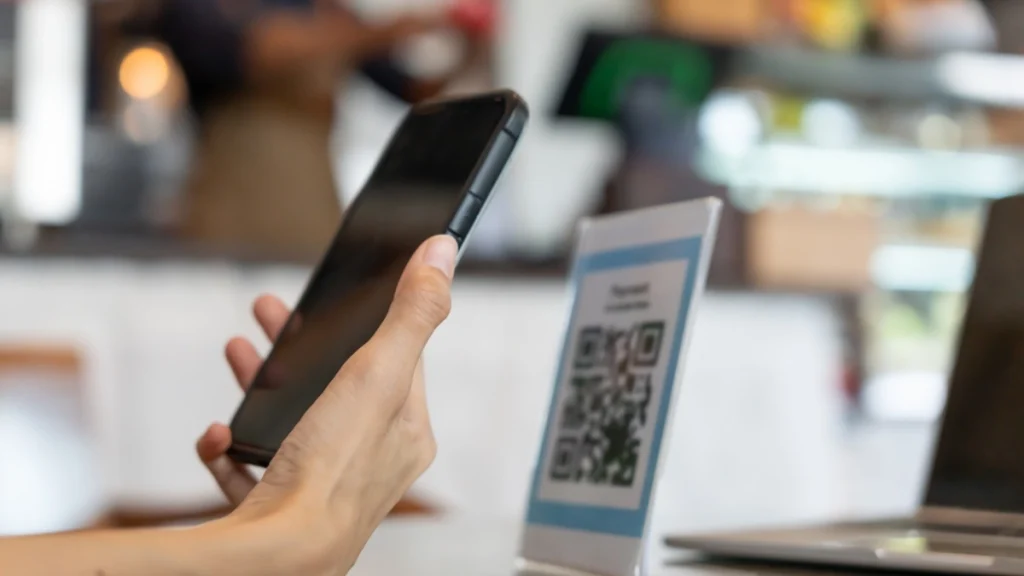
Cash plays a significant role outside urban centres and many people prefer to use QR codes rather than Near Field Communication (NFC) technology.

QR Ph, the national QR standard, and e‑wallets like GCash and Maya are used nationwide, including by small merchants, street vendors and transport operators, which isn’t yet the case for Apple Pay.
Apple will also face competition from Google Pay, which launched in November 2025 but has struggled to gain traction despite backing from major banks and a large Android user base.
As Visa Philippines country manager Jeffrey Navarro noted in June 2026, adoption hinges on everyday use cases such as transit and convenience stores, areas where QR codes are the preferred method.
“We’re making sure to be able to really get more transactions there, to be able to use it in say, transit or convenience stores. Normally, you see it [become] stickier the moment you use it on the everyday type of payments,” said Navarro.
“So, once that ecosystem is in place, then we see it [adoption] ramping up.”
Apple Pay vs GCash
Apple Pay’s main advantages are speed, security and convenience, three reasons that the method has become so popular across Europe.
NFC payments are instant as users tap their iPhone or Apple Watch without opening an app and transactions are protected through tokenisation and biometric authentication, meaning no card numbers are shared with merchants.
Apple Pay also works without mobile data, which removes one of the friction points seen in app‑based payments.
However, unlike in Europe, acceptance is restricted to major retail chains and modern establishments with NFC‑enabled terminals. Apple Pay is also locked to the Apple ecosystem, excluding the majority of people in the Philippines who use Android devices.
/ Shutterstock.com
GCash has become the country’s main digital wallet because of its ubiquity, as it is accepted nationwide by millions of merchants, including street food stalls and drivers.
The unified QR Ph standard also allows cross‑app payments between banks and e‑wallets like GCash and Maya. Merchants only need a printed QR code, making adoption cheap and simple compared to a payment terminal.
There are drawbacks with QR codes, despite their popularity in the region. QR code payments rely on mobile data or Wi‑Fi, and the payment flow is slower because users must unlock their phone, open the app, scan the code and input the amount.