Apple Pay has launched in India after months of reports linking one of the world’s most popular payment methods to the most populous country in the world.
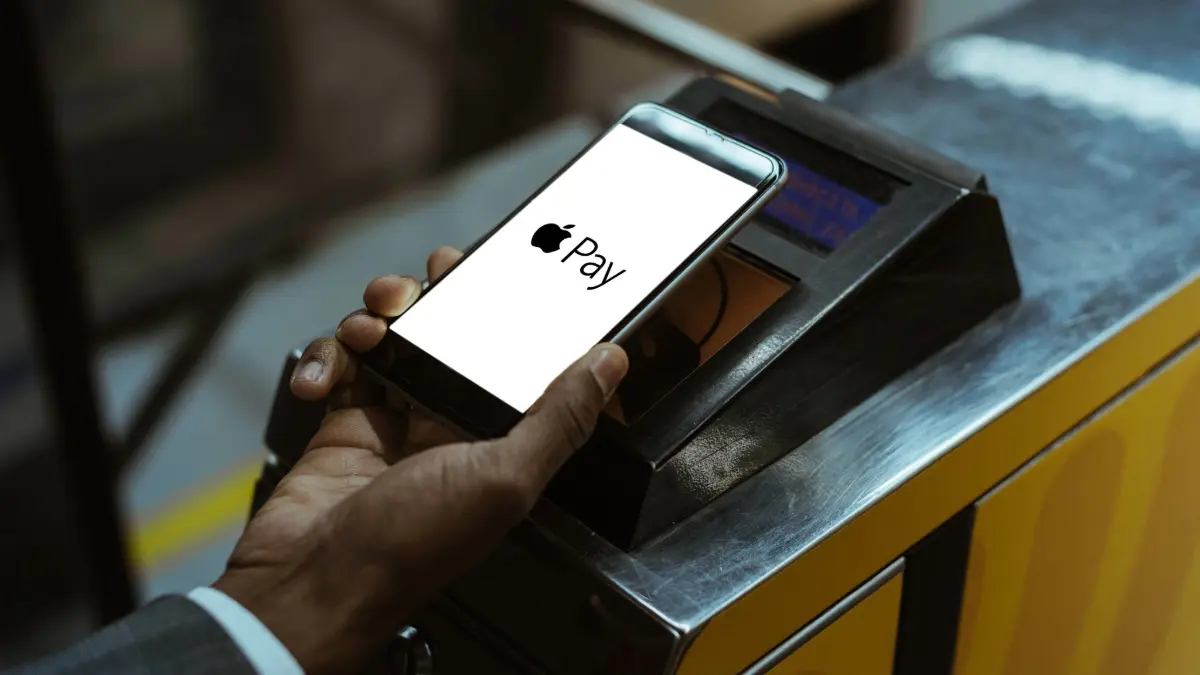
Apple Pay has become available to iPhone, iPad and Apple Watch users in India to make contactless, tap-to-pay payments without the need for a physical card or PIN.
Online payments are authorised via Face ID, Touch ID, and device passcode authentication. Its encryption services mean the Apple Pay digital wallet bypasses 4-digit PINS and one-time passwords (OTP) at in-store or online checkouts.
The launch is in partnership with Axis Bank. The India-based lender enabled Apple Pay via issued Visa and Mastercard credit cards to be added to the Apple digital wallet.

Apple did not state in its announcement whether it will support Unified Payments Interface (UPI) transactions.
UPI is the most popular payment method in India and has quickly become one of the largest global payment processors. Previous reports suggested that Apple Pay will not support UPI at its initial launch, but rather through a phased rollout.
Commenting on the India launch, Jennifer Bailey, VP of Apple Pay and Apple Wallet, said Apple Pay comes to India during a period of “digitally savvy” consumers embracing a “cashless future.
“India is home to a dynamic and digitally savvy population that continues to embrace a cashless future while expecting the highest standards of security and privacy, and we’re so excited to bring Apple Pay to users in India today,” said Bailey.
A long road to India
Apple’s interest in India’s payments market stretches back to 2017, when Apple Senior Vice President Eddy Cue first spoke on the company’s interest in bringing Apple Pay to India, although no launch date was disclosed.
At the time, Apple was looking at how its payment service could work with the country’s existing payment infrastructure and local partners.
In 2018, Apple put its India payments plans on hold after discussions with banks and the National Payments Corporation of India (NPCI). Regulatory requirements around payment data, as well as technical and design challenges connected to UPI, were reported as key obstacles.
Apple’s wider push into India has continued in the years since, with the company opening its first physical stores in Mumbai and Delhi in April 2023. It then launched its Apple Store app in India in January 2025, giving the company another route into the country’s growing customer base.
Almost a decade after Cue first discussed bringing the service to India, Apple Pay has finally arrived.
UPI is the big test
The problem for Apple is that India’s payments market has progressed considerably during its wait.
UPI accounts for 84% of digital payments in India and is the world’s largest retail fast-payment system, with 24.51 billion transactions processed in August alone.
Apple is starting with the card networks, giving Axis Bank’s Visa and Mastercard credit card customers another way to pay through the Apple ecosystem, with additional banking partners expected to follow.
Cards, however, are by no means the preferred way to pay in India, unlike in Western markets where the tech company has thrived.
Apple hasn’t said whether UPI will eventually be added to Apple Pay, but the launch comes at an interesting moment for India’s payments ecosystem. NPCI has recently introduced a tap-and-pay feature for UPI, bringing contactless NFC payments into the system shortly before Apple Pay arrived.
However, the bigger question is whether it can replicate the success it has had in markets like the UK through the card networks, or whether it will need to integrate with the payment system that dominates the market.