Iceland is developing domestic payment alternatives to improve resilience rather than replace cards.
Iceland has made its perspective on payment sovereignty clear, saying that resilience doesn’t mean self-sufficiency.
Tómas Brynjólfsson, Deputy Governor for Financial Stability at the Central Bank of Iceland, delivered this message in a speech at the MoneyLive Nordic Banking conference in Copenhagen on 30 October.

Brynjólfsson explained that Iceland’s strategy to achieve payment sovereignty shouldn’t mean building everything at home.
“It means combining international shelter with domestic resilience and ensuring, to the extent possible, that neither becomes a single point of failure,” said Brynjólfsson.
Sovereignty has become a buzzword in the payments industry over the past few months, one that Europe and the UK, more recently, have leaned on as they look to reduce dependence on foreign-owned systems.
Europe has been clear that it wants to build its own, developing initiatives such as a digital wallet and the account-to-account payment system Wero to rival the likes of Visa and Mastercard.
The word landed on the shores of the UK earlier this year, when Francesco Simoneschi, CEO of TrueLayer, defined sovereignty risk in payments as “the structural dependency a country has on foreign-owned or controlled entities to accept, clear, route and settle transactions on behalf of businesses and consumers.”
Before adding that this risk in the UK is “ real, concentrated, and largely unacknowledged in public debate.”
Speaking to Payment Expert about this statement at the time, Chris Jones, Managing Director at PSE Consulting, said that the bigger issue is the UK’s lack of alternatives.
He also explained that the debate risks “bundling several different issues together under the sovereignty argument”, with ownership, resilience, competition and concentration presenting different vulnerabilities.
Brynjólfsson made a similar point, arguing that sovereignty isn’t about cutting ties with international providers, but ensuring Iceland has alternatives when things go wrong.
A look at Iceland’s payments landscape
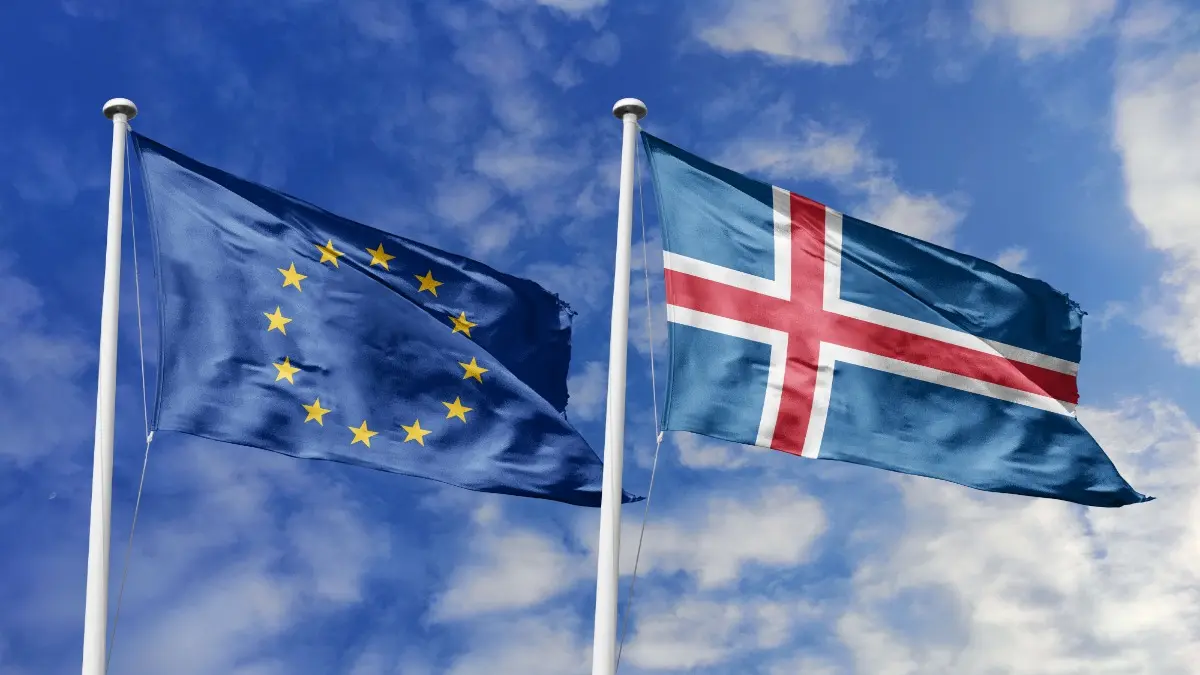
Iceland’s position is unique to that of most countries in the EU and the UK. While closely integrated with Europe through the European Economic Area, it sits outside the EU, euro area and Banking Union.
Its payments system is highly digital, with instant payments established for decades and card transactions made almost exclusively through Visa and Mastercard.
Domestic debit card infrastructure that helped maintain payments during the Global Financial Crisis, Brynjólfsson said, has since given way to foreign networks, while low cash use and the absence of a widely adopted account-to-account retail alternative leave few other options.
Brynjólfsson described the system as “robust but fragile”, noting its reliance on a limited number of providers, shared technical infrastructure and connectivity, including subsea cables.
The Central Bank has identified seven critical services and is strengthening resilience through payment continuity, incident response and system-wide oversight. A financial-infrastructure incident centre, established earlier this year, provides round-the-clock monitoring across the financial system.
“We do not seek to provide every service, but we will fulfil our responsibility for the resilience of the whole system,” Brynjólfsson said.
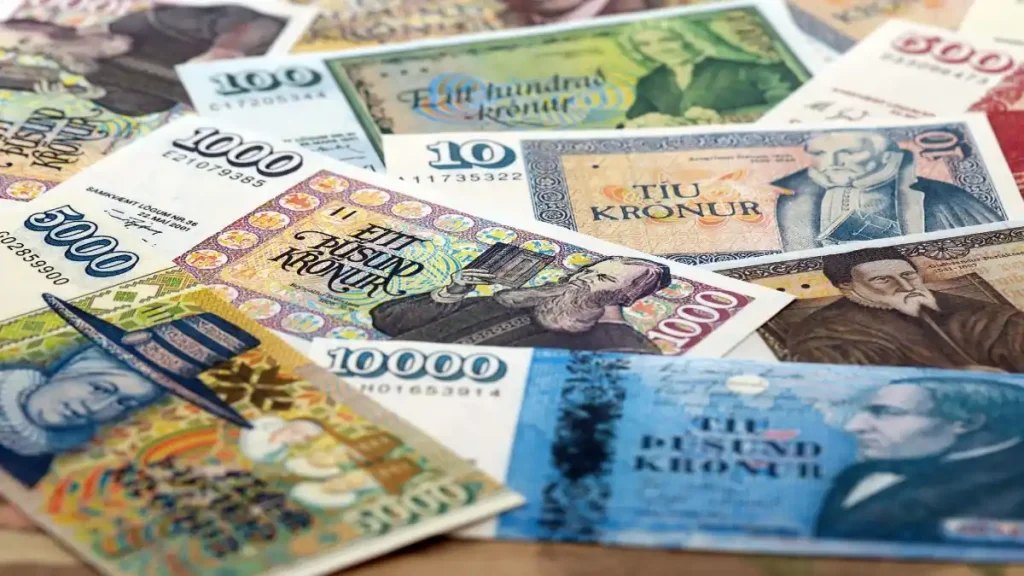
/ Shutterstock.com
TIPS and a domestic alternative
Setting out plans to improve payment sovereignty, the Central Bank is targeting readiness for the Eurosystem’s TIPS instant payment service in the second half of 2028. This would allow payments in Icelandic krónur to settle on shared European infrastructure.
However, Brynjólfsson pointed out that integration doesn’t remove the risks of relying on external connections. Iceland is working to strengthen its subsea cable capacity, introduce satellite backup and have local contingency capabilities if links to continental Europe are lost.
The Central Bank is also seeking to create a domestic alternative, with aims to facilitate a shared account-to-account payment scheme, particularly for consumer-to-business transactions.
Though instant transfers between individuals are already common, Iceland lacks an adopted equivalent for paying merchants.
The proposed system would allow consumers to pay from their bank accounts in-store or online, with merchants receiving immediate confirmation. The Central Bank would publish the common rules and technical infrastructure and banks and payment firms would develop the apps and services.
“The role of the Central Bank is not to design retail products or displace private innovation,” Brynjólfsson said. “It is to provide the strategic centre of gravity: trusted settlement, common standards and a framework within which private actors can compete, innovate and cooperate.”
Public procurement for the core solution has started, using a request-to-pay model built on existing domestic instant credit transfer rails. The scheme is in its early stages and isn’t intended to replace cards.
“We are not aiming for a system that is safe and secure by being apart from Europe,” Brynjólfsson said. “It is a system that is deeply connected in normal times, capable of operating through disruption and open to competition and innovation.”