European payment networks are joining forces to challenge the dominance of international schemes.
Bancomat, Bizum, EPI/Wero, SIBS MB WAY and Vipps MobilePay have launched a joint network to enable cross-border payments across Europe.
Headquartered in Madrid, the new European Network for Payments (ENP) will operate and expand the common interoperability hub agreed by the five payment providers following a February 2026 Memorandum of Understanding.
The founding partners hold equal stakes in the venture, which will manage technical coordination and network expansion as the companies prepare for launch.
The aforementioned payment systems reach approximately 130 million users across 13 European countries, which equates to over 70% of the population of the EU and Norway.
According to a 29 September announcement, the launch will start with cross-border peer-to-peer (P2P) transfers before expanding into e-commerce and point-of-sale retail transactions.
Bancomat CEO Fabrizio Burlando called the launch “a significant step forward in building a sovereign and integrated European payments landscape.”
Burlando added that connecting national systems through a shared framework enables cross-border transfers and preserves the “diversity, trust and proximity” established in local markets.
Linking familiar brands
European payments has seen the launch of several consumer-facing payment apps in recent years, as providers have sought to build digital alternatives around their existing banking and payments infrastructure.

However, the five brands have opted against adding another to the pile, choosing to connect the systems they have built through a common interoperability layer.
According to the group, the shared architecture creates a technical layer built on European standards, including instant account-to-account (A2A) payments, and allows each provider to retain its brand identity.
“Europeans should be able to use the payment solutions they already trust when they travel, shop or do business across borders,” said Martina Weimert, CEO of EPI.
Weimert noted that Wero’s goal is to simplify payments across multiple use cases, adding that linking European platforms could “give consumers more choice and help merchants serve customers from across Europe without any major investment”.
This setup is especially useful once the network expands into retail and online shopping, allowing merchants to accept payments from various providers through a single integrated system.
The framework is also designed to onboard other European payment solutions in the future, subject to technical readiness and partner approval.
Familiarity is something companies are leaning into as of late. Earlier this week, Swift unveiled an initiative to enable pay-by-alias payments across borders by connecting domestic payment systems, including Bizum, PayID and Pix, to make cross-border payments feel more like domestic transactions.
Addressing Europe’s payment sovereignty
Kim Fuglsang Kristoffersen, Head of Strategic Partnerships at Vipps MobilePay, said: “Now we are connecting what we have built, turning ambition into action and creating a strong European alternative that is easy for Europeans to use across borders.”

It’s a message European consumers and businesses will recognise, as payment sovereignty and the reliance on foreign-owned networks have become prominent themes across the industry in recent years.
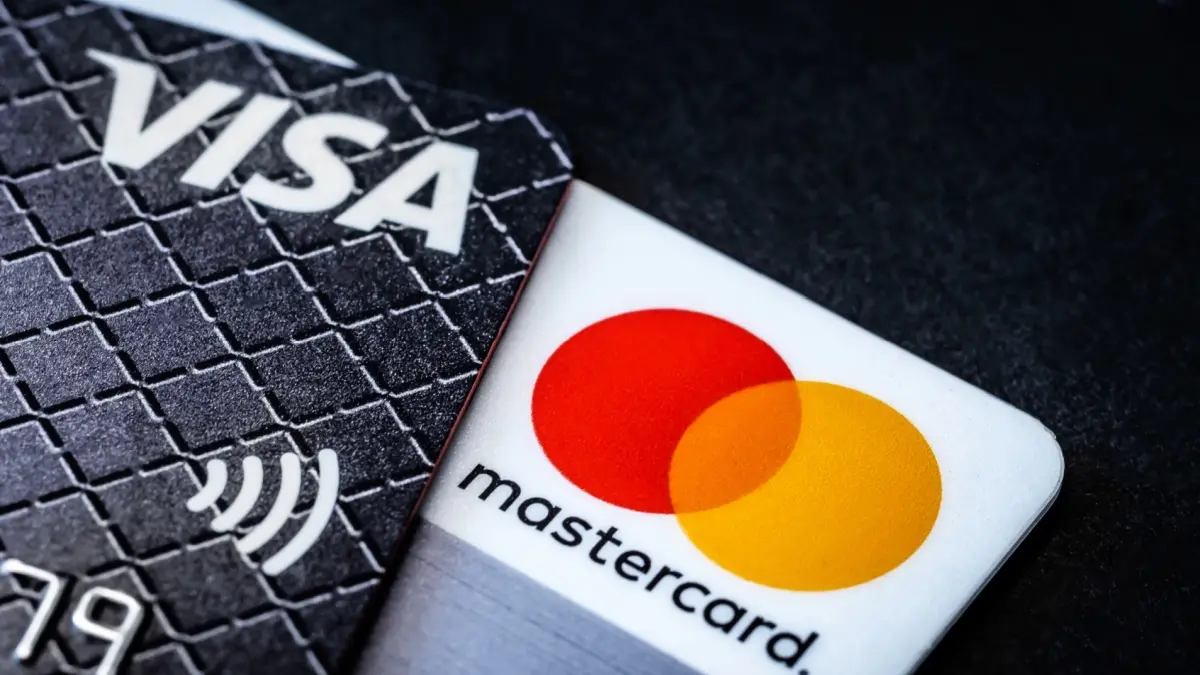
Visa and Mastercard have been at the centre of the discussion in Europe, given their strong market position in card payments.
The UK’s National Payments Vision has also put greater emphasis on developing choice in payment methods and strengthening A2A payments.
The challenge is that building an alternative doesn’t guarantee that consumers will use it. Account-to-account payments are gaining ground and regulators are backing greater choice, but cards are deeply embedded in everyday payment habits.