Former Israeli anti-money laundering chief Dr Shlomit Wagman says governments need to transition from traditional post-event investigations to real-time prevention.
BioCatch has taken its intelligence-sharing model into government, launching an advisory board to help identify fraudulent tax and welfare payments.
The initiative, announced on 3 November, aims to foster relationships between governments, law enforcement agencies and financial institutions to improve the detection of fraud involving public money.
According to US government estimates, fraud resulted in annual losses of between $233bn and $521bn from 2018 to 2022.
BioCatch plans to replicate the approach behind its BioCatch Trust network, which the company launched in 2024. It is a shared security network that lets banks communicate in real time to stop scammers before they steal money.
It works by having the sending bank check with the receiving bank to see if the account looks suspicious. The system flags potentially fraudulent accounts by analysing typing patterns and other device behaviour.
As part of the new government initiative, financial institutions will collaborate with government departments to identify potential high-risk accounts before public money is distributed.
Three heavyweight appointments
BioCatch, which Visa agreed to acquire earlier this year, has recruited three former officials with experience tackling financial crime and protecting public revenue to lead the advisory board.
Guy Ficco, previously Chief of the US Internal Revenue Service’s Criminal Investigation division, is a founding member. During his career, he oversaw a workforce of 3,500 tax officers across 34 offices and managed an annual budget exceeding $1bn.
His experience includes investigations into tax evasion, money laundering, sanctions violations, cybercrime and cryptocurrency-related offences. He also chaired international efforts targeting tax crime through the Organisation for Economic Co-operation and Development.
Ficco said: “In an industry where trust is constantly under attack, BioCatch gives institutions a real edge.”
John Ford, former Deputy Commissioner of the Australian Taxation Office, also joins the board. He previously led Australia’s Serious Financial Crime Taskforce and served as a joint chief of the J5, an international alliance of tax enforcement agencies.
His work has focused on intelligence-led approaches to tackling tax fraud, money laundering and organised financial crime.
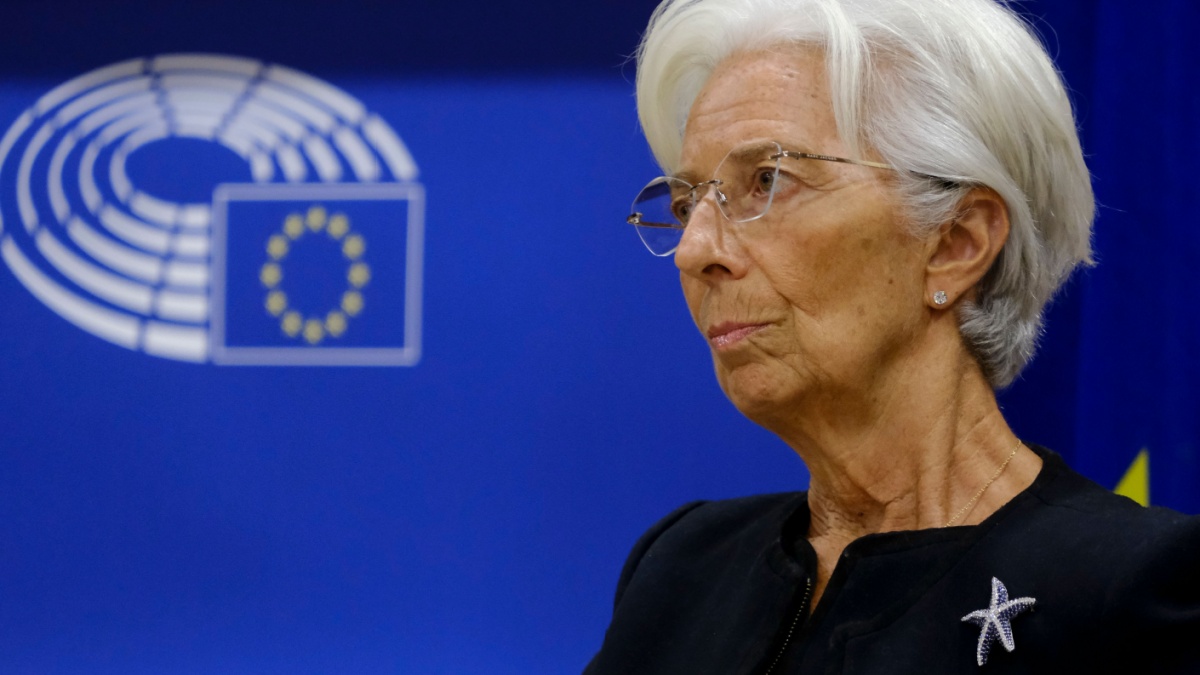
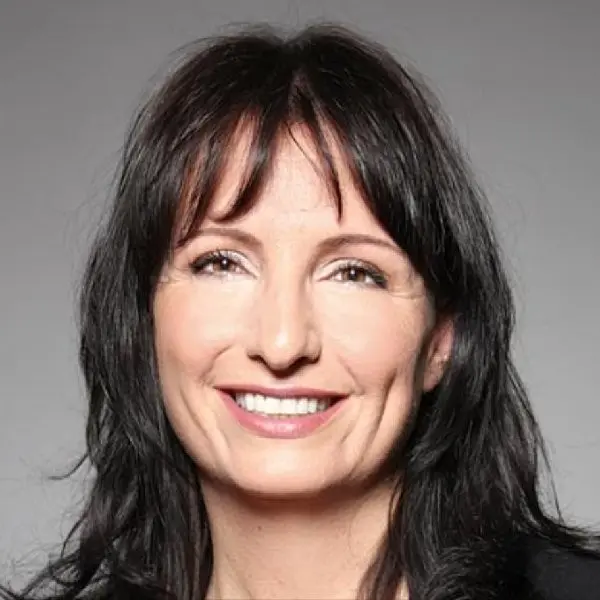
The third appointment is Dr Shlomit Wagman, former Director-General of Israel’s Money Laundering and Terror Financing Prohibition Authority. She led operations against international criminal networks and chaired the Financial Action Task Force‘s Risk Working Group.
Wagman says governments need to stop relying on investigations after fraud has occurred, as bad actors use more sophisticated tactics and emerging technology like AI.
“Governments need new capabilities to tackle this rapidly evolving threat, moving from investigating fraud to preventing it in real time,” Wagman said.
“By combining advanced technology with effective intelligence sharing across financial institutions, governments, and borders, we can help governments build smarter, faster, and more effective fraud prevention systems. I’m excited to help BioCatch drive this transformation.”
UK government steps up its anti-fraud measures
The launch of the advisory board follows the UK government’s introduction of new powers that require banks to flag accounts where information suggests benefit eligibility rules may no longer be met.
Announced by the Department for Work and Pensions on 26 October, the Eligibility Verification Measure aims to identify claimants with undeclared savings or those spending time overseas and still receiving benefits.
The government says the measures will save taxpayers £1.2bn by 2030/31 and are part of a wider target to recover £14.6bn by tackling fraud, error and debt.
Banks will be asked to identify accounts that may require further investigation, although the government has emphasised that the powers don’t give the DWP access to customers’ transactions or spending habits. A flagged account also doesn’t automatically indicate fraudulent activity.