The ECB, Sveriges Riksbank and Danmarks Nationalbank have switched on a service letting PSPs settle euro, krona and krone payments via TIPS
Thank to updated TIPS access, three currencies which share the eurozone’s instant payment rail – the euro, the Swedish krona and Danish krone – can now move between one another in real time.
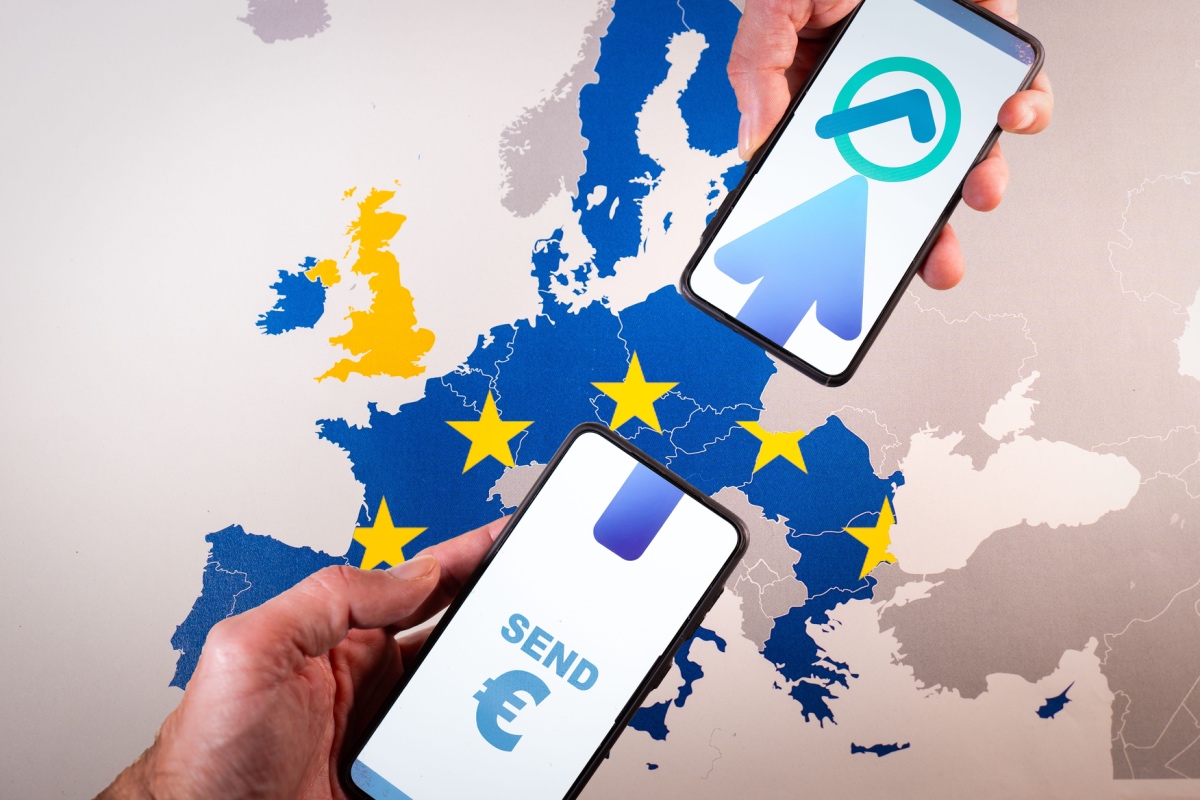
The European Central Bank, Sveriges Riksbank and Danmarks Nationalbank confirmed on 10 June they have activated a cross-currency service on the TARGET Instant Payment Settlement system (TIPS), allowing payment service providers (PSPs) to settle transfers between accounts denominated in euro, Swedish krona and Danish krone.
In practice, a bank in Stockholm can now send krona that arrives as euros in a counterparty’s account in seconds, with both sides of the transaction settling at the same moment in central bank money.
The currencies change hands once, on the platform itself, rather than being passed down a chain of intermediaries.
The technical build was finished back in October 2025, but the three central banks have spent the months since running tests before flicking the switch.
With activation done, any payment service provider (PSP) holding an account in TIPS, TIPS-DKK or Sweden’s RIX-INST can sign up and start sending cross-currency payments to the others.

Cutting out the middle
Cross-border payments between the euro area, Denmark and Sweden have traditionally leaned on correspondent banking, a relay of intermediary banks that each take time and a cut, with funds parked in nostro accounts along the way.
This model was slow, murky on fees and carried settlement risk at every handover, and blocked the ‘instant payments’ promise that TIPS represented.
By settling both legs in central bank money, the TIPS service strips cross-currency fragmentation and risk from all TIPS-initiated payments. There is now no window where one party has paid and the other has not yet received; the exchange is final the instant it happens.
This will be particularly beneficial to the Nordic region with heavy cross-border trade and labour flows – which can now utilise TIPS the same way continental nations running on the euro have done.
A familiar rail, a bigger plan
The service is built on the European Payments Council’s one-leg-out instant credit transfer scheme, the same standard used for payments where only one side sits inside the SEPA Instant zone. Leaning on existing market rules rather than inventing a bespoke process should make it easier for PSPs to plug in.
For Sweden specifically, the Riksbank intends to require adherence to the forthcoming NPC OLO scheme for krona participation, but this framework does not take effect until after June 2026.
Until it does, PSPs going live with krona payments will need bilateral or multilateral agreements in place to cover this time gap.
The cross-currency work is just one half of an ECB project announced in October 2024; the other is linking TIPS to fast payment systems beyond the EU.
There is already movement on this side of the project, with the Reserve Bank of India and the Eurosystem agreeing in November 2025 to start building a link between India’s UPI and TIPS.
The ambitions of the ECB trace back to the G20’s 2020 roadmap for cheaper, faster and more transparent cross-border payments, a programme that has so far has identified payments bottlenecks but not delivered on these issues fully.
While domestic instant payments are now routine across much of Europe, getting the same experience to work cross-border and cross-currency has proven more difficult. Aligning separate national rails, regulators and currencies into one seamless cross-border flow remains a stubborn technical and political challenge.