There have been a slew of announcements involving Western payments entering China in recent months, but they have been a lot more gradual than they first appear.
Thunes has strengthened its ties with UnionPay International in China, claiming the partnership has broken down barriers.
The Singapore-based fintech will enable payment providers and financial institutions to route instant cross-border consumer payouts to UnionPay cards in mainland China. Key market expansions include the US, Africa, Australia, Indonesia, New Zealand and Thailand.

Chloé Mayenobe, Deputy CEO at Thunes – Source: LinkedIn
According to Thunes, the network will provide millions of UnionPay customers access through connections to 79 leading Chinese banks. These include some of the country’s largest institutions, such as ICBC, Agricultural Bank of China, Bank of China, China Construction Bank, Bank of Communications and China Merchants Bank.
Chloé Mayenobe, Deputy CEO at Thunes, said: “Strengthening our strategic alignment with UnionPay International marks a major evolution in how money moves globally.”
Mayenobe noted that in addition to expanded access, the bolstered partnership also increases the daily transfer limit to $10,000 per recipient cardholder. In the past, members of Thunes’’ network, like most people sending money to China, would have split larger personal transfers across multiple days because of restrictions.
“By enabling high-capacity, direct-to-card payouts into China’s mainland, we are breaking down legacy barriers in one of the world’s most dynamic payment corridors,” said Mayenobe.
“Unlocking these higher transaction limits supports the growth of our Members, empowering financial institutions everywhere to scale their cross-border flows into China with unmatched speed and compliance.”
Breaking down barriers or China opening the door?
China is one of the most difficult and complex countries when it comes to sending and receiving funds. However, like Thunes claims, it is ‘breaking down barriers’; many others have done so recently as well.
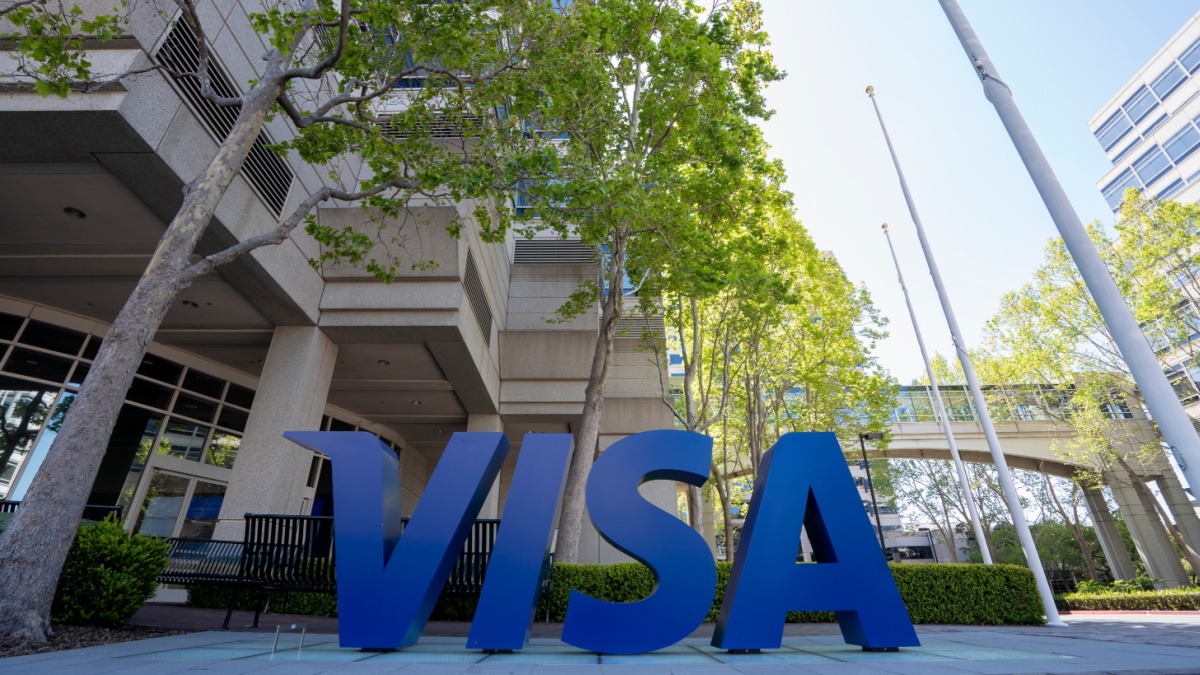
In February, Visa secured its own partnership with UnionPay International, which linked Visa Direct with UnionPay International’s MoneyExpress platform.
The Thunes deal enables businesses and consumers to send money into mainland China, claiming to allow remittances and business payouts to reach over 95% of UnionPay debit cardholders in the country.
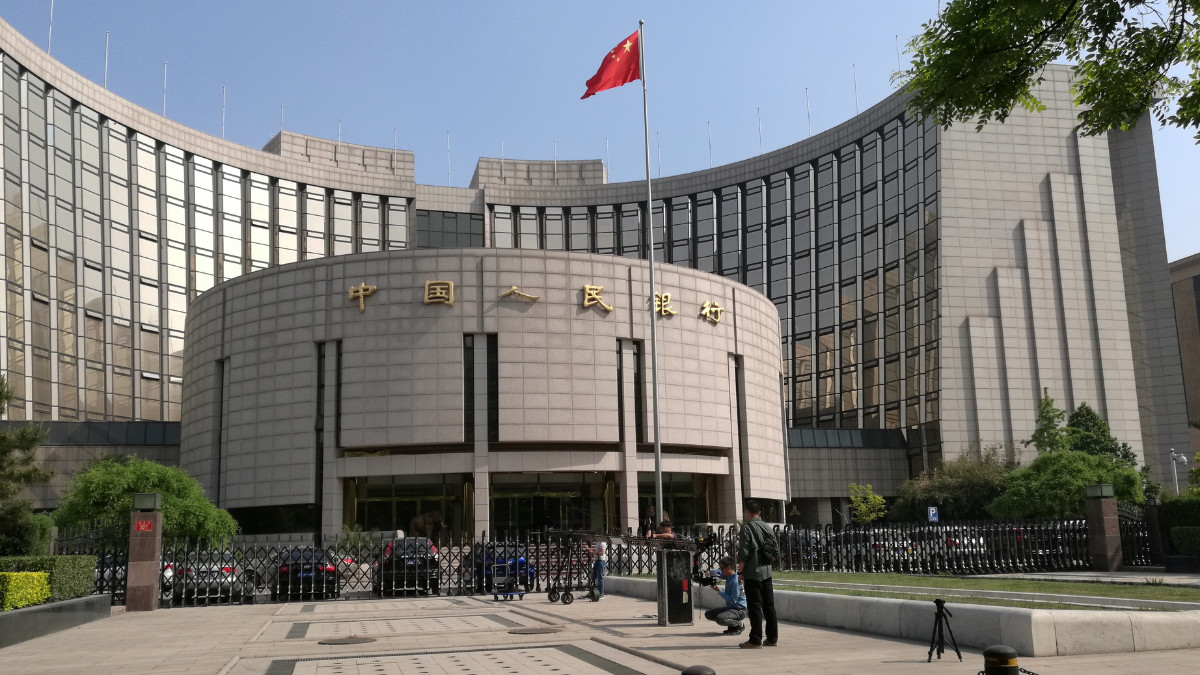
Earlier this month, the payments giant had more China-related news, as the People’s Bank of China approved an ‘Application to Prepare’, giving Visa the green light to become a regulated bankcard clearing institution.
In China, this is a significant moment, as it goes against its stance of keeping payment systems and data in-house.
Ryan McInerney, CEO of Visa, said in comments alongside the announcement that Visa has had a restricted presence in China for 40 years, building up to this moment.
While Visa will have undoubtedly done a lot of work to get here, as is likely the case with Thunes, neither would likely have been possible without China being the one to open the door.
The opening works in both directions, with Chinese firms expanding abroad too, as seen with Tencent’s cross-border payments platform, TenPay Global. At Hong Kong FinTech Week 2026, Tencent and Mastercard signed a Memorandum of Understanding to expand cross-border QR payments and remittances into the WeChat ecosystem.

The reason for China’s change of heart
Those keeping up with the payments developments in China may be wondering what has changed over the past couple of months. However, the change has been much more gradual than it looks.
China was legally pushed into opening up after the World Trade Organisation ruled that its ban on foreign payment firms broke trade rules. Afterwards, China allowed foreign cards at the point of sale and altered its clearing rules.
The country ended UnionPay’s monopoly on card clearing in 2015, but progress was slow due to red tape. American Express secured the first foreign licence in June 2020, followed by Mastercard in November 2023 through a joint venture with a local partner.
Visa’s recent announcement shouldn’t be taken lightly, however, as it will launch a wholly foreign-owned entity if successful.
Notably, the country is opening the door and not the floodgates. Beijing is keeping tight control of the process; in Visa’s case, the company has a year to prepare before applying to operate, which will then need to be signed off.
There is also little risk to domestic players from a lot of these recent deals, with the majority of Chinese consumers using QR code payments through Alipay and WeChat Pay rather than cards.