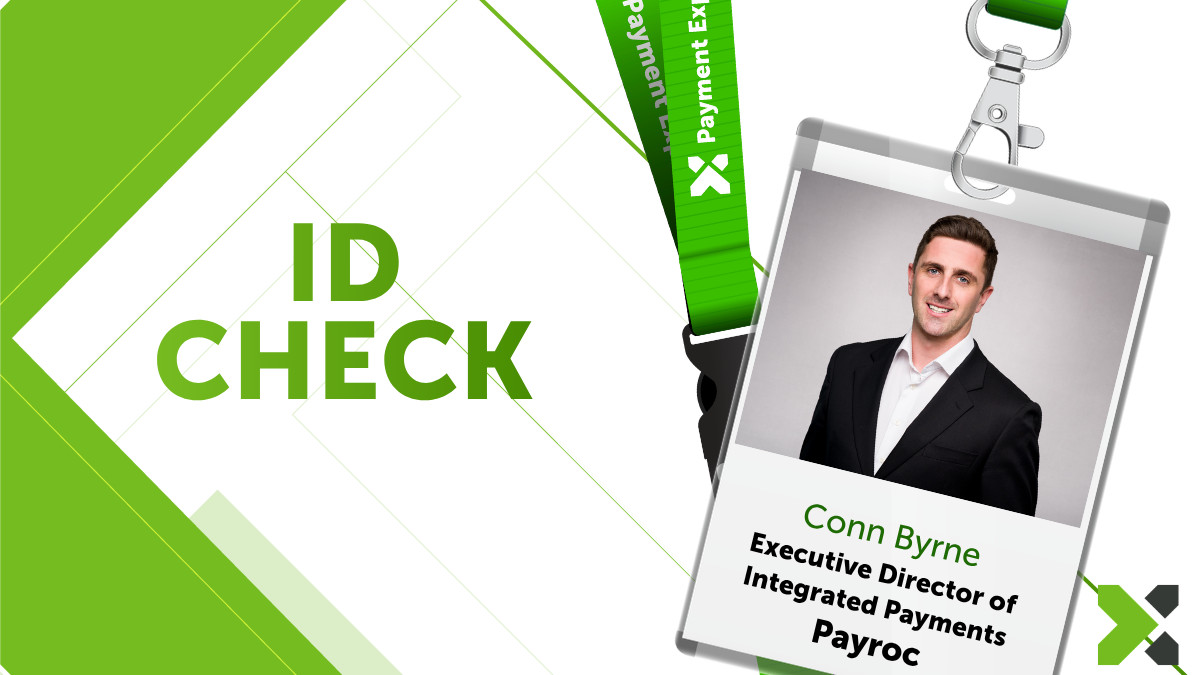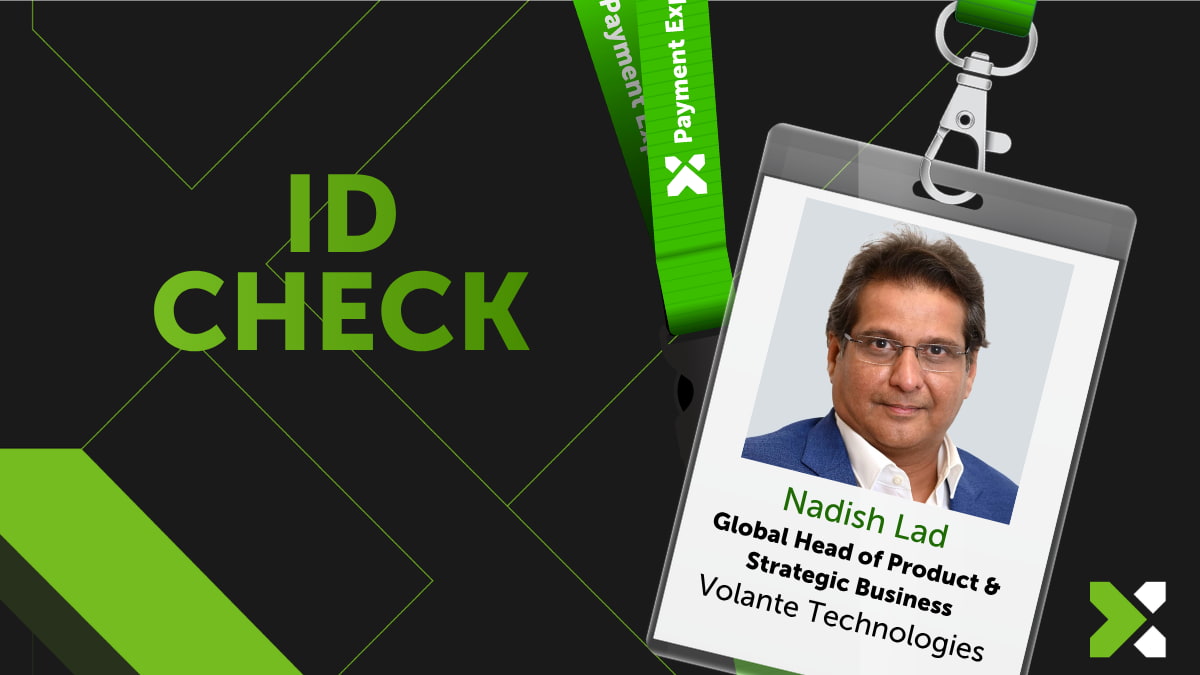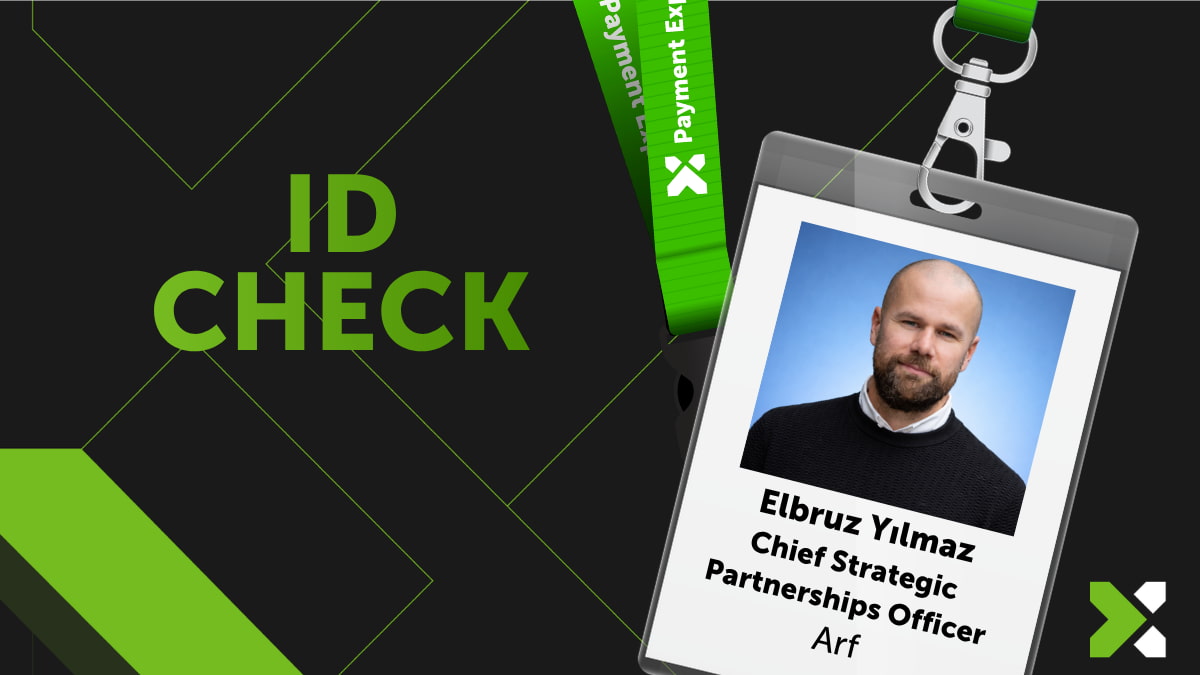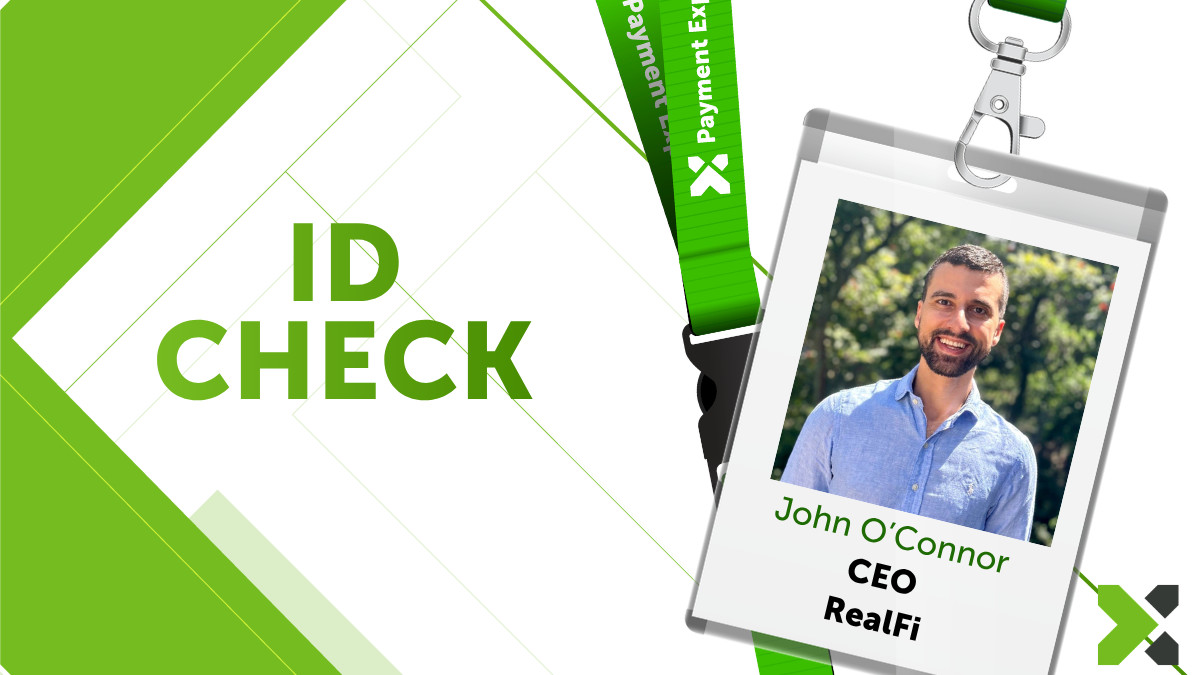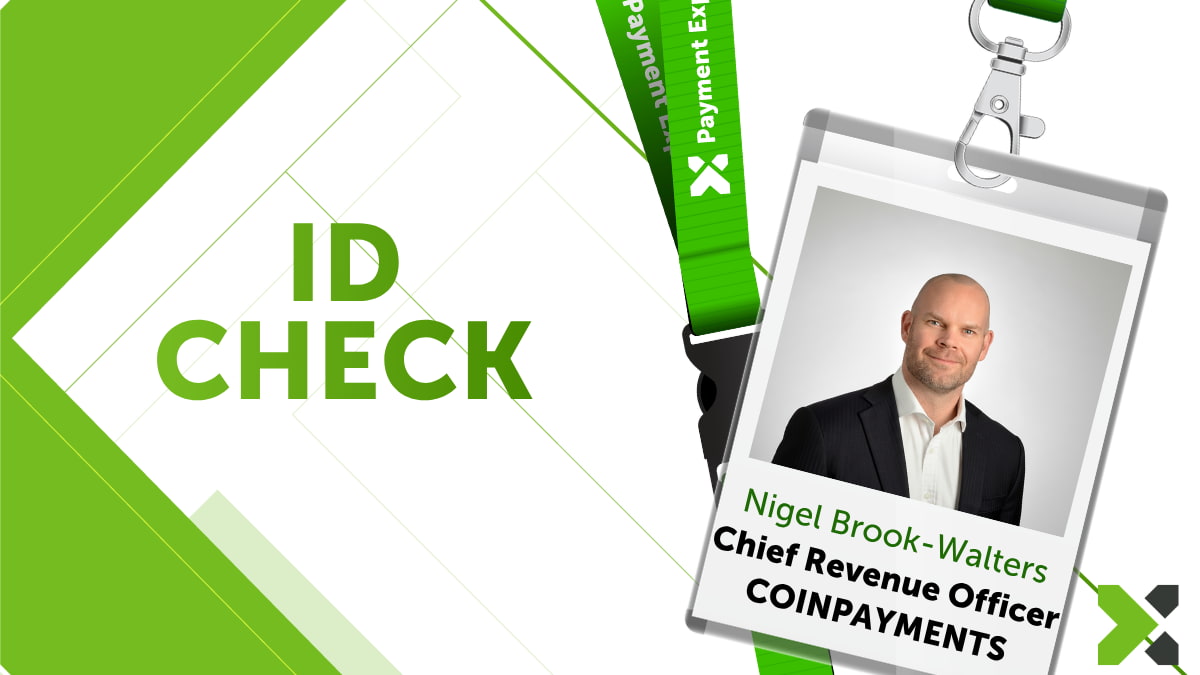
Payment Expert’s ID Check: Payments Professionals offers insight from industry leaders and experts on how they got their start in the financial industry, from their early years in education, to how they have been able to climb the corporate ladder.
This week, Nigel Brook-Walters, Chief Revenue Officer at COINPAYMENTS, brings his commercial expertise from sports to technology, to payments, emphasising why keeping focus on the client by building valuable relationships is critical for success.
Where did you go to university and what did you study? What impact did this have on your current journey?
I studied Business and Economics at Trinity College Dublin, which gave me a basic understanding of business and exposed me to the joys of working on projects in a team setting.
It was the MBA at Saïd Business School, Oxford that proved to be the real turning point for me; it gave me the strategic and financial grounding that enabled me to move from operational roles into senior commercial leadership roles across asset management, private equity, and now payments.
What first drew you to the payments industry and why have you stayed?
I didn’t start in payments, in fact, my background was originally professional sport, followed by moving into various sales roles across asset and wealth management, private equity, and more recently, consulting.
In my last role at KPMG, I was fortunate enough to have a bird’s eye view across the whole financial services landscape. Within that, I recognised how quickly the landscape was growing and evolving as a result of the emergence of digital payments.
I believe there is a real parallel with my time at SEI: technology-enabled wealth and asset managers to transform their business models, and now, emerging digital asset technology is doing the same for even more businesses.
In many ways, COINPAYMENTS is doing something similar to what SEI did when I was there, but in this case, is providing the infrastructure that lets businesses benefit from the digital economy.
I see payments infrastructure as the next frontier. We are creating real value and efficiency by modernising how assets move. It touches so many parts of the economy which means there are almost endless opportunities to enable people to benefit from being part of it – and that’s why I’ve stayed.
Are there any lessons from your first role in the industry which you still draw on?
My first job after university was at Wasps and it taught me lessons I still lean on today, particularly the importance of focusing on developing your own core skills and the importance of teamwork. It also highlighted how critical leadership is in determining whether an organisation succeeds or fails; a lesson that’s shaped how I have built and run teams ever since.
My biggest learning lesson at SEI was how important it is for organisations to remain client centric, especially in a rapidly evolving industry. I have witnessed first-hand how some organisations struggle to remain laser focused on staying relevant to the client and solving their challenges as the industry and market demands change. Keeping focused on the client is absolutely critical for ongoing success.

When was your first big break in the industry? Why was this such a significant moment for you?
Joining SEI was my first big break in the technology space. I was given the chance to grow personally and professionally and it encouraged me to take on real leadership responsibility as I built and ran my sales teams. It was a significant moment for me because it was the first time I was exposed to just how important technology is in shaping the future of financial services.
It gave me the confidence to take on bigger leadership roles and ultimately shaped the direction of my career. Joining COINPAYMENTS has felt like a similar moment, but on a bigger scale. I have had the opportunity to set and execute our strategy, as well as build a team capable of executing that strategy at such an important phase in our growth journey, including our geographical expansion and strategic entry into the US market.
Was there a moment you faced in the industry which really challenged you? How did you overcome this?
I have enjoyed launching market leading propositions into various markets, however, I have also experienced the reality that comes with making difficult business decisions.
At one firm I worked at, the painful choice to switch a solution off was made. Having to go to 270 clients that I had sold to and explain that decision was a genuinely humbling experience. It really brought home the importance of building relationships based on trust and honesty.
What struck me most was that I got a real sense that our clients could see we were trying to do right by them and their clients. That type of relationship enables you to work through almost any situation with a client.
What are some of the skills you deem essential to starting in your industry and how have yours developed over the years?
Commercial curiosity, the ability to translate complex concepts into a client’s language, and probably above all else, practicing active listening.
Developing these skills has enabled me to move across a number of different industry verticals, where each vertical demanded a different kind of fluency. Being part of successful teams, and then leading teams at SEI and COINPAYMENTS, has sharpened how I think about developing others.

Who was your biggest role model – inside or outside of your industry – who continues to inspire you in your current career?
Chad Lion-Cachet and Shaun Edwards both heavily influenced my career progression. What stood out about Shaun for me was his radical simplicity in communication, taking complex situations and distilling them into a few simple messages. He paired that approach with setting non-negotiable standards whilst providing individualised support for each person.
I met Chad in my first role in industry. Chad clearly adopted a value-driven approach to leadership. He also had an extraordinary ability to marshal resources, always delivered on promises and had a phenomenal ability to earn stakeholder trust right across the business.
What ties them together is that with both, I always sensed a motivation that went beyond just driving profit or winning a game.
If you didn’t work in the industry, what other career option would you have pursued or would have loved to?
When I have achieved my ambitions within the payments space, I would like to experience a leadership role in the charitable sector – specifically a children’s charity. I have been a fundraiser for a number of charities, including the Royal Marines Charity and, more recently, have served as a director for an autism charity.
Both experiences reinforced how much the skills I have developed in industry – namely strategy setting, marshalling resources, and building stakeholder trust – can be equally beneficial in the third sector as they are in a corporate setting. There’s something appealing about a career where the “return” is measured purely in terms of the difference made to people’s lives.
Lastly, what is some advice you would give to an aspiring person looking to get a start in your respective industry?
Get as much varied experience as possible. Try to secure internships across different sectors as well as different types of businesses and, if possible, get exposure to different functions within them, whether that’s sales, operations, or strategy.
You genuinely don’t know what you’ll enjoy until you’ve tried it, and that breadth early on is far more valuable than narrowing down too soon. It is the only way to truly figure out not just what sector suits you, but also what kind of work suits you within it.
I would always encourage people to gain exposure to the sales or customer service function as customers are the life source of any organisation so understanding what drives clients will always be highly valuable.
Interested in sharing your experiences from the industry and passing on advice to the next-generation for ID Check? Contact: [email protected]