CMA confirms push for greater business access to Apple’s NFC technology.
The Competition and Markets Authority (CMA) has addressed complaints from UK companies regarding Apple’s near-field communication (NFC) access terms.
Businesses warned that current arrangements aren’t commercially viable due to fees and restrictive conditions. According to the regulator, fragmented technical requirements across different platforms and regions are also preventing businesses from competing.
“The UK is one of the world’s leading fintech hubs, with the sector generating around £214bn in turnover and supporting more than 360,000 jobs,” read an official CMA release.
“Fintechs are a UK success story, but Apple’s fees and access rules for key mobile contactless technology, known as NFC, risk blocking their ability to innovate and grow.”
In response, the regulator has launched a consultation on a proposed conduct requirement under the Digital Markets, Competition and Consumers Act 2024, with developments in Europe providing an example of what could be achieved.
Contactless payments account for 39% of all payments, compared with just 3% a decade ago. Despite this significant surge in adoption, no company has launched a competing product in the UK.
In the EU, Vipps, PayPal, Klarna, Curve and BBVA have all launched competing products in the six months following Apple’s agreement to open up NFC access for payments in the market.
The CMA is pushing to replicate the EU’s success in the UK through the consultation, which will close on 17 November before a final decision is made.

The possibilities of expanded NFC access
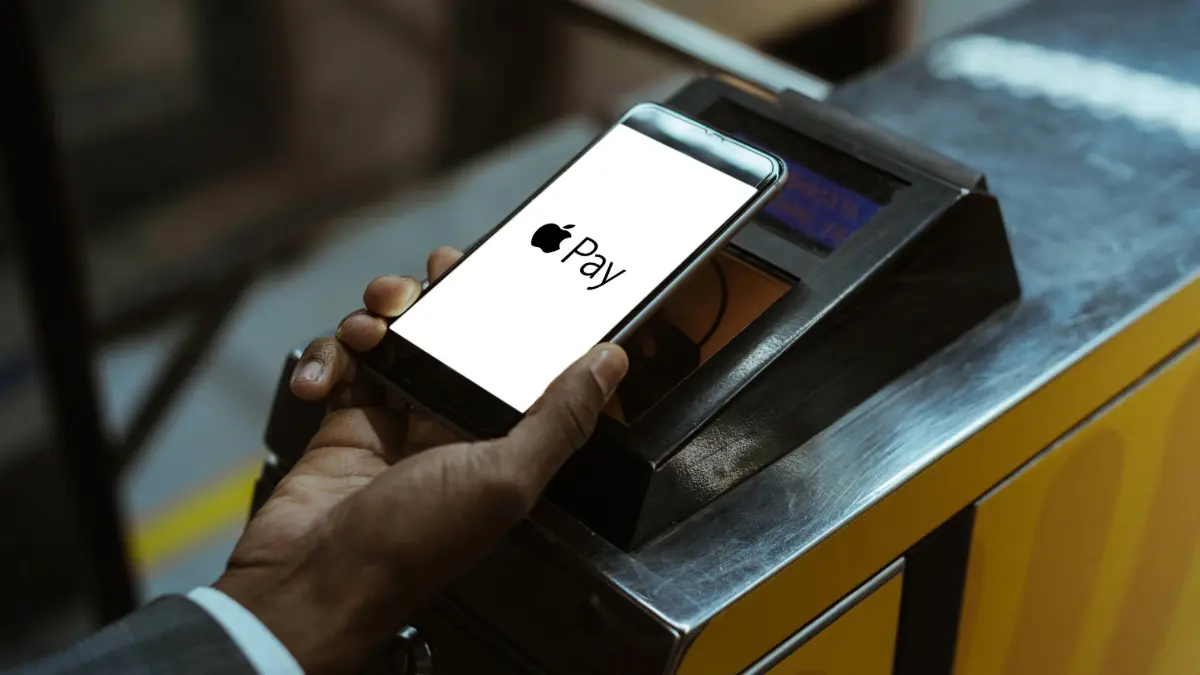
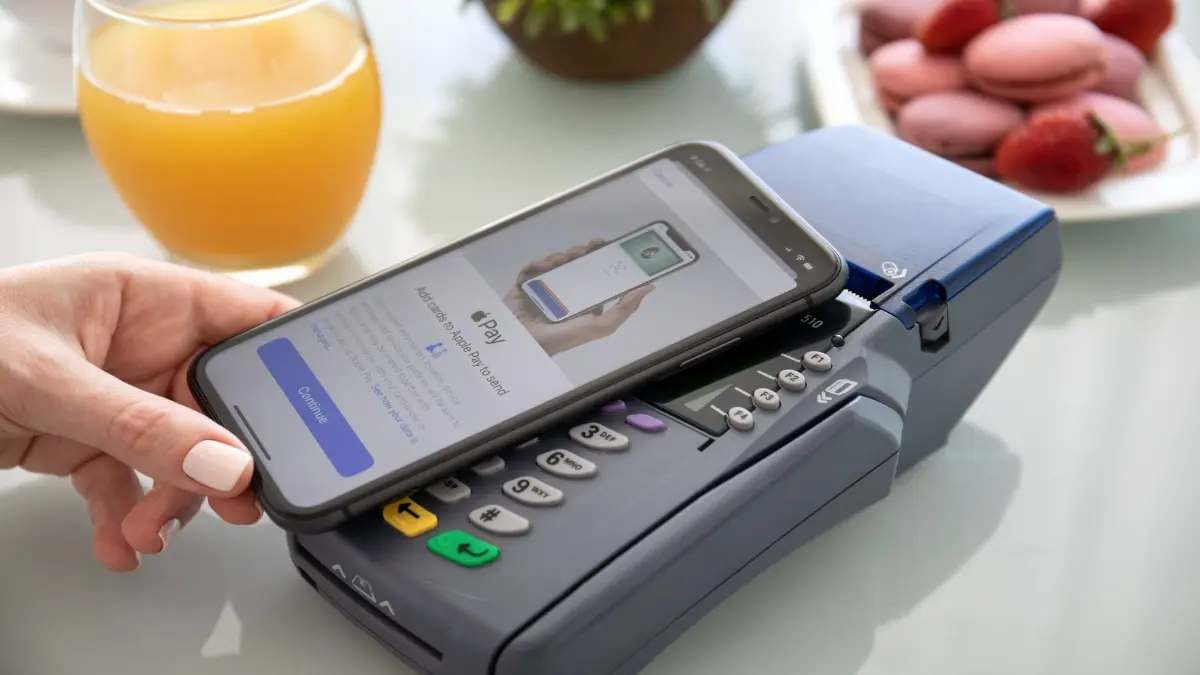
Proposals would mandate Apple to provide access through the contactless technology standards used internationally and to make access commercially viable.
On the latter, the CMA has noted that fees have been one of the biggest hurdles to firms in the UK competing. However, the regulator stated it isn’t proposing to set the price and terms of contactless functionality access.
“Instead, it has proposed principles for how this should be determined, with the expectation that charges would be substantially lower than Apple’s current fees while still fairly rewarding Apple for providing access,” read an official CMA release.
The regulator believes that if these two propositions are met, then it would help make everyday experiences faster and more seamless, improve people’s lives through choice and create the conditions for a new generation of contactless products.
Listing potential new products and services as:

- digital wallets and payment services
- digital IDs and age-verification tools
- digital car, hotel and workplace keys
- tickets and travel passes
- loyalty and rewards services
“We have heard that high fees, strict terms, and technical restrictions relating to Apple’s contactless technology make it too difficult for challengers to innovate and compete,” said Sarah Cardell, Chief Executive of the CMA.
“By removing barriers to entry, we can help create the conditions for brilliant British businesses with great ideas to develop new products and services here – from payment apps and digital IDs to travel passes and digital keys.”
How will Apple respond?
Payment Expert contacted Apple earlier this week following reports the CMA would launch a consultation into opening up NFC access, though it has yet to provide an official response.
However, unnamed sources referenced in the Financial Times’ reporting of the story last week said that Apple is expected to challenge any formal requirements through the courts.
Brazil is currently locked in a similar situation with the tech giant over NFC access for its instant payments service Pix.
iPhone users in Brazil can currently only use Pix via QR codes, unlike Android users, who can make contactless payments at checkout.
Apple has kept the same line throughout discussions, stating that QR-based payments meet user needs and that its restrictions align with global security standards, as well as highlighting that it owns only a 22.1% share of the Brazilian smartphone market.
UK payments industry welcomes action
Following the official announcement by the CMA, several organisations and firms in the financial industry have provided statements in reaction to the consultation.
UK Finance, like many other organisations, have expressed support for the action. A UK Finance spokesperson highlighted how digital wallets have become the favoured way to pay for many consumers, stating that it welcomes the focus on promoting competition.
“Opening access to NFC functionality on Apple’s operating systems will support innovation, increase consumer choice, and reduce reliance on a single wallet provider. That will help create a more resilient digital payments system and enable firms to bring new payment solutions to market,” said a UK Finance spokesperson.
“We will work with the CMA and our members to ensure these proposals deliver effective access in practice and allow firms to compete on a level playing field. We still believe there is a case for introducing some free access to NFC, as is the case in Europe.”
Fidesmo, which was founded in 2013, helps brands launch their own contactless payment systems. Reacting to the announcement, Mattias Eld, CEO and Co-founder at Fidesmo, said:
“Buying an iPhone should not mean handing Apple the keys to your wallet. Consumers should rightly choose how they pay, and banks should choose who they work with. But for over a decade Apple has honed its domination over tap-to-pay, through the careful and deliberate stifling of its competitors. This has allowed Apple to charge banks inflated transaction fees, with the threat of exclusion from such a vast market leaving them little choice but to pay.
“The CMA has an opportunity to finally open this market properly. That means giving rival wallets a fair chance to compete, without replacing technical barriers with commercial ones.”