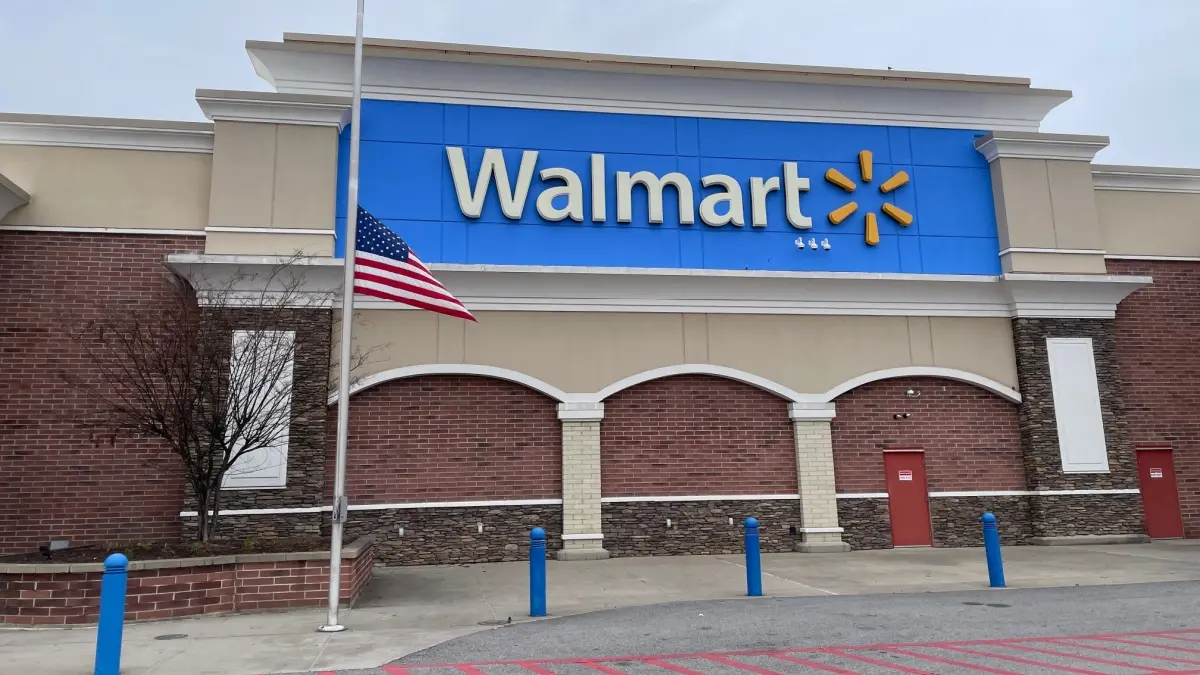
Walmart has announcedTap to Pay will be available in its stores, a change from years spent trying to keep mobile payments in-house.
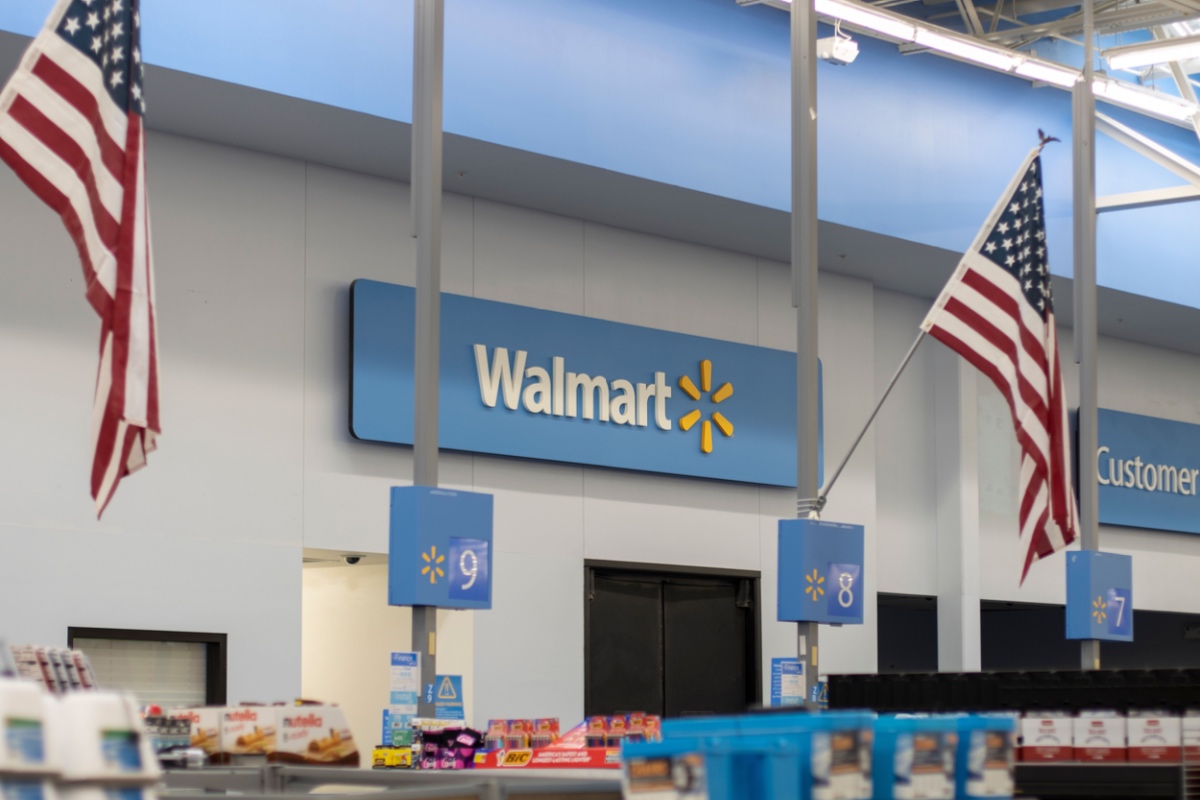
Announced on 24 August, contactless payments are available at select Walmart stores and Sam’s Club locations, with the company planning to expand the service to all US stores and clubs by the end of 2026 before reaching fuel stations by mid-2027.
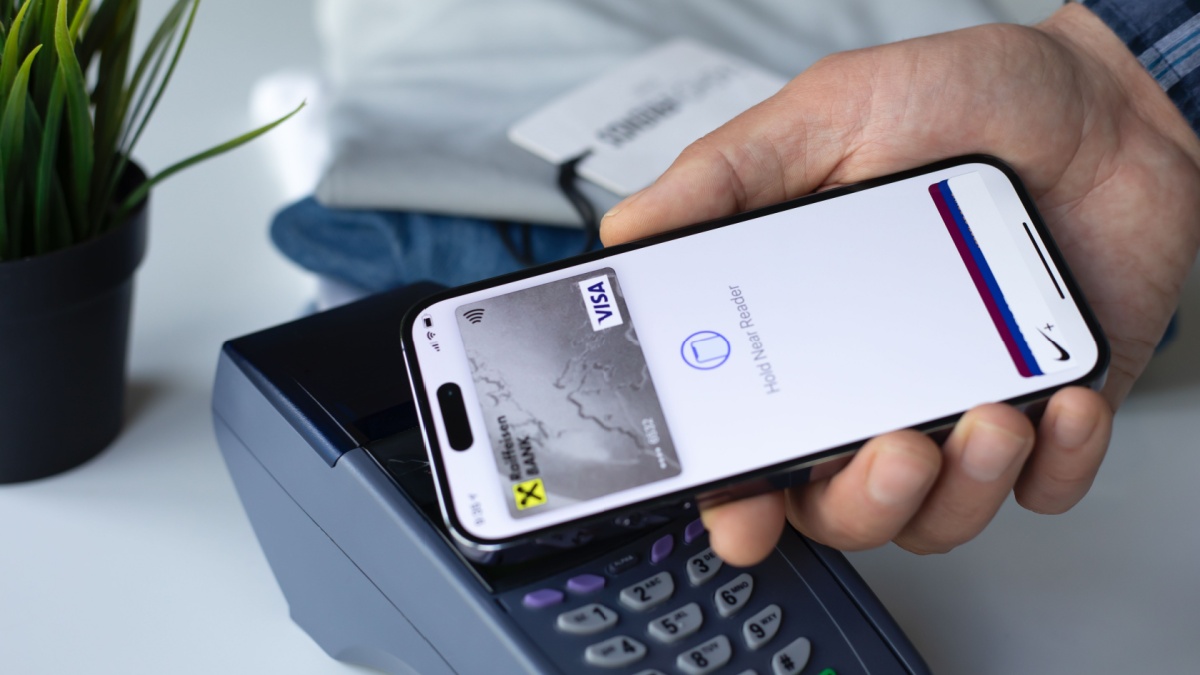
Customers will be able to pay using eligible contactless cards, smartphones and smartwatches, including through digital wallets such as Apple Pay and Google Pay. Additionally, Walmart, Sam’s Club and OnePay cards can also be added to wallets.
Walmart says the launch will provide shoppers with more choice at checkout, adding to existing options such as cash, cards and Walmart Pay. Sam’s Club members can also continue using Scan & Go, which allows shoppers to scan products and pay through the app.
The company also expanded its checkout options in 2025 through a partnership between OnePay and Klarna, which brought instalment loans to eligible purchases both online and in stores.
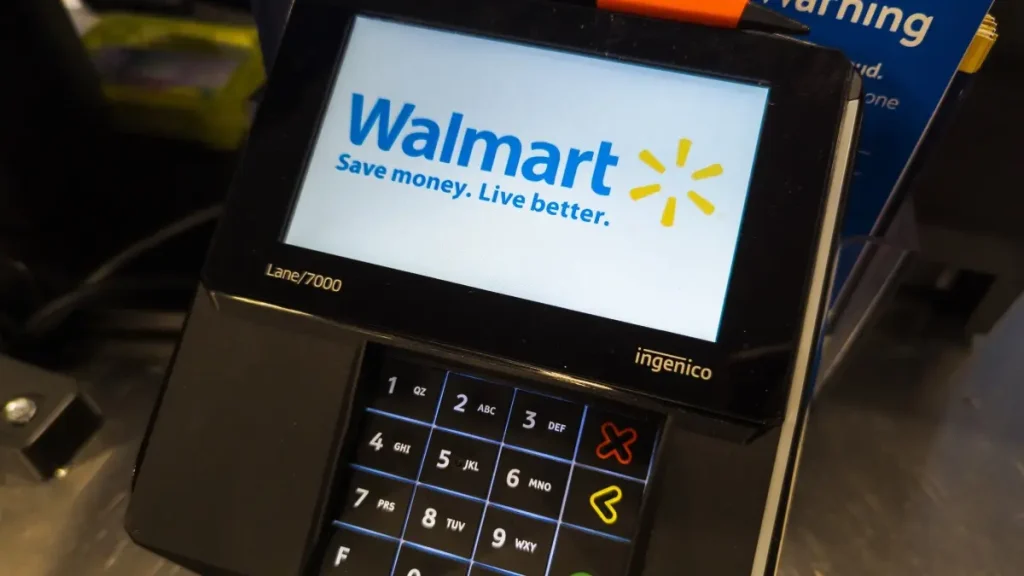
When Walmart backed an Apple Pay rival
Contactless payments adoption has perhaps been slower in the US compared to parts of Europe, but Walmart especially resisted the method. A reason for this dates back to when it became one of the retailers behind the Merchant Customer Exchange (MCX).
Created in 2011, the group developed CurrentC, a mobile payments system that sought to give retailers more control over checkout and provide an alternative to services such as Apple Pay.
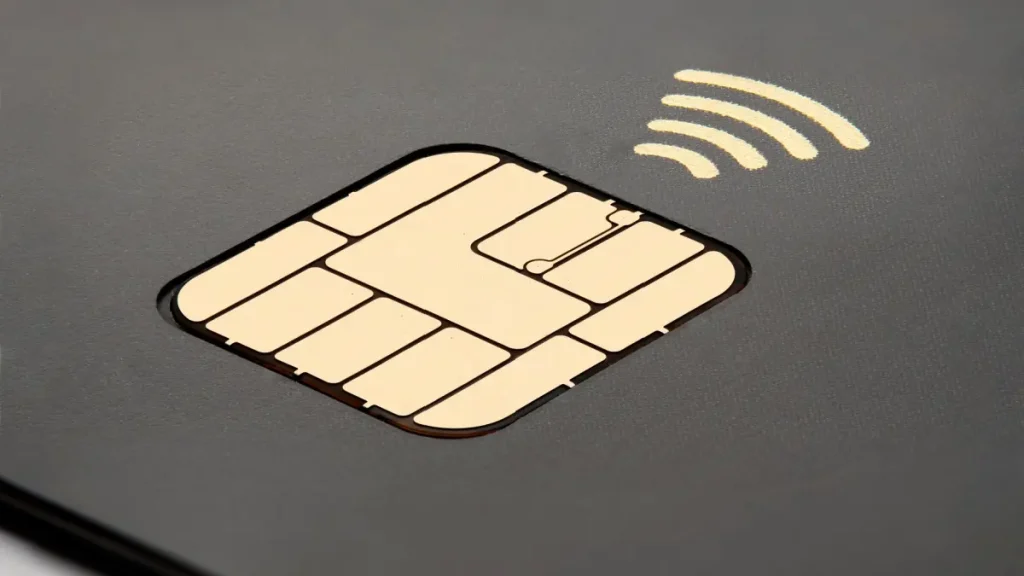
CurrentC relied on QR codes, meaning shoppers had to open the app and scan at the till, while Apple Pay and Google Pay use Near Field Communication (NFC) technology that allows users to hold a phone near the payment terminal.
CurrentC ran into problems before a nationwide launch. In 2014, email addresses belonging to some pilot participants were compromised and the launch was delayed several times.
A limited trial eventually took place in Ohio, but momentum faded by 2016 as some participating retailers started to embrace NFC-based wallets and Walmart looked to create its own payments product.
MCX postponed CurrentC’s national launch in May 2016 and reduced its workforce, before shutting the beta programme the following month.
Google Pay won’t replace Walmart Pay
Walmart’s project, Walmart Pay, was rolled out across the majority of its stores in July 2016.
Like CurrentC, the service uses QR technology, with customers opening Walmart Pay through the app and scanning a code at checkout to complete their purchase. The method is embedded into the retailer’s app, giving customers access to payments, receipts and other account features.
Walmart says the introduction of Tap to Pay will not replace the service, with customers still able to use Walmart Pay to make purchases, view receipts and access Walmart+ fuel savings.
QR payments could also become more important in the US over the coming years following developments earlier this year.
In July, the Accredited Standards Committee X9 announced X9.150, a new standard to create a common framework for merchant-presented QR payments across banks, payment providers and different payment rails.
The standard supports account-to-account payments through networks including FedNow, RTP and ACH, as well as emerging payment methods such as stablecoins.
QR payments in the US have lacked a shared standard connecting merchants, banks and payment providers, which has contributed to slower adoption compared with markets such as Brazil India and other parts of Asia.
“Clear, consistent standards like X9.150 make it easier for everyone to trust the payment experience, whether you’re a business accepting a payment or a customer making one,” said Amy Burr, EVP, Chief Product and Relationship Officer at Federal Reserve Financial Services.