The US is turning to QR codes to close the gap with global instant payment leaders, with a new standard poised to encourage adoption
The Accredited Standards Committee X9 (X9) has announced a new standard, X9.150, which establishes a framework for businesses, financial institutions and payment providers to use QR codes for account-to-account payments.
X9 said the standard could help address a challenge in the US payments market of a lack of instant payments adoption by allowing merchant-generated QR codes to support payments across different networks and providers.
Until now, the US has lacked a common standard for QR code payments. This fragmentation has impacted interoperability between merchants, banks and payment providers, leading to slower adoption of instant payments compared with other markets.
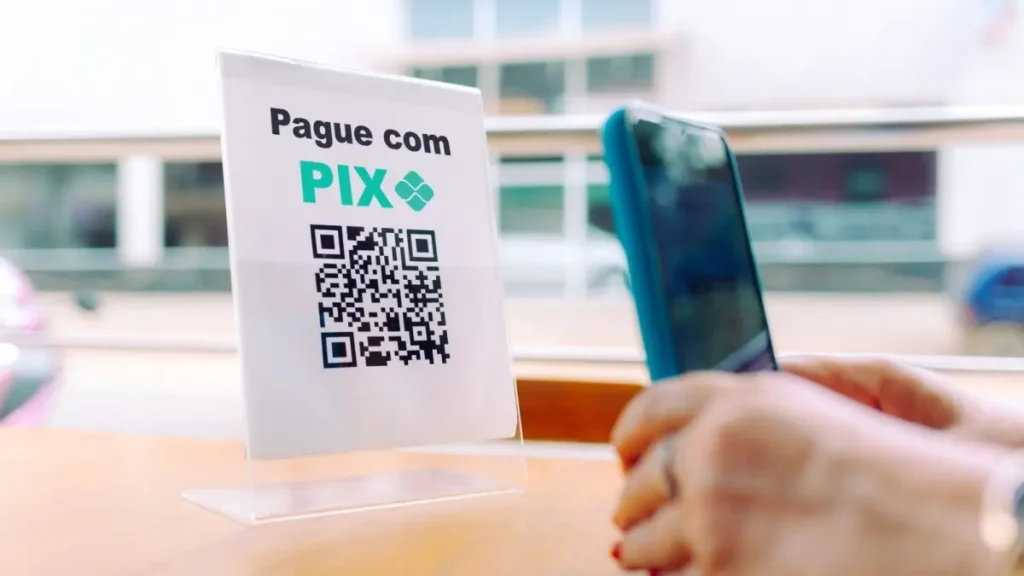
According to the announcement, India processes around 20 billion instant payments each month, Brazil processes around eight billion, while the US processes approximately 45 million.
“Clear, consistent standards like X9.150 make it easier for everyone to trust the payment experience, whether you’re a business accepting a payment or a customer making one,” said Amy Burr, EVP, Chief Product and Relationship Officer at Federal Reserve Financial Services.
What the standard does
Consumers are already familiar with QR codes in the US, but their use for payments has been held back by the lack of a shared framework connecting merchants, financial institutions and payment networks.
The majority of QR codes used by businesses in the country direct users to websites or digital content, a trend that grew during the COVID-19 pandemic when businesses adopted QR codes for contactless menus and information sharing.
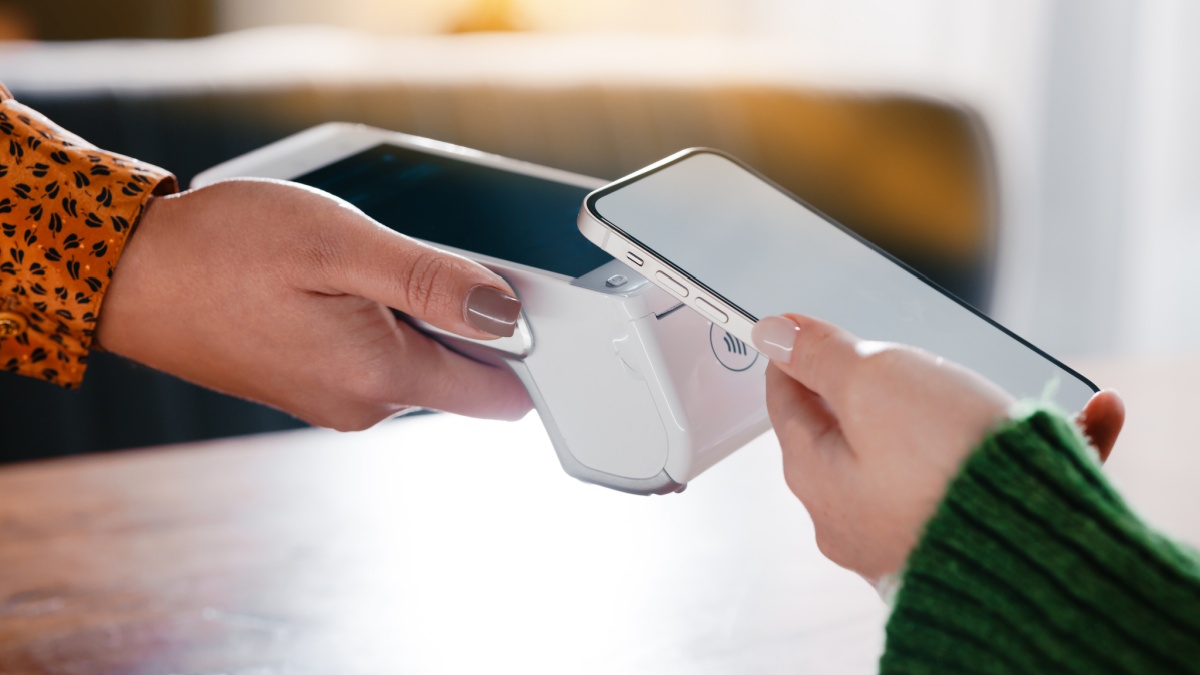
Unlike a standard URL QR code, payment QR codes must be scanned through an authenticated banking, wallet or merchant application. This ensures the customer and the application processing the payment are verified before transaction details are exchanged.

X9.150 defines the structure, data requirements and security processes needed for merchant-presented QR payments. The standard aims to allow different financial institutions and payment providers to process payments through the same QR code framework.
Sarah Hoisington, Chair of the X9.150 Work Group and General Manager, North America at Matera, said the standard addresses a key requirement for businesses looking to simplify payments.
“Businesses want to get paid faster while making it as simple as possible for consumers to pay. This standard creates a foundation for delivering both,” she said.
Supporting multiple payment rails
One of the key features of X9.150 is that a merchant-presented QR code can support payments across multiple rails, including real-time payment networks such as FedNow and RTP, traditional ACH credit transfers and emerging digital payment methods such as stablecoins.
This could give businesses greater flexibility while improving the payment experience for consumers.
Security is also very important to the standard. Payment information generated through X9.150 uses digital signatures and public key cryptography supported by the X9 Financial PKI.
Jeff Stapleton, Author and Chair of the X9F4 Cybersecurity and Cryptographic Solutions Work Group, said the approach helps prepare payment infrastructure for the next generation of security technology.
Realistic expectations for QR payments
While the new standard could remove some of the barriers facing QR payments in the US, adoption is unlikely to be the same as the rapid growth seen across parts of Asia.
China began widespread QR payment adoption in the early 2010s, with usage later expanding across markets including India and Southeast Asia. The growth has been driven by a mix of consumer convenience, digital-first payment habits and the ability for smaller merchants to accept payments without investing in traditional point-of-sale terminals.
Government-backed initiatives have also played a significant role. India’s Unified Payments Interface (UPI), for example, helped create a nationwide framework for instant account-to-account payments and supported QR payment adoption among consumers and businesses.
The US market faces different conditions, with consumers already heavily reliant on credit cards, debit cards and established payment networks.
However, X9.150 could provide an important foundation for expanding account-to-account payments by making it easier for merchants, banks and payment providers to offer a consistent QR payment experience.