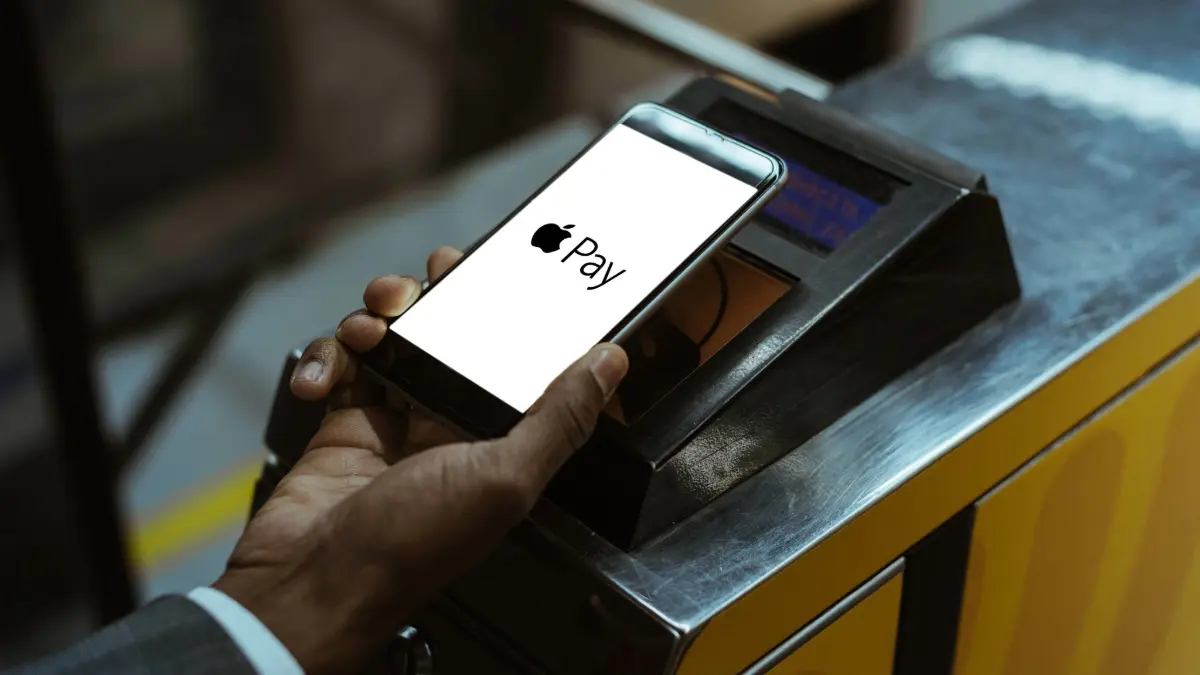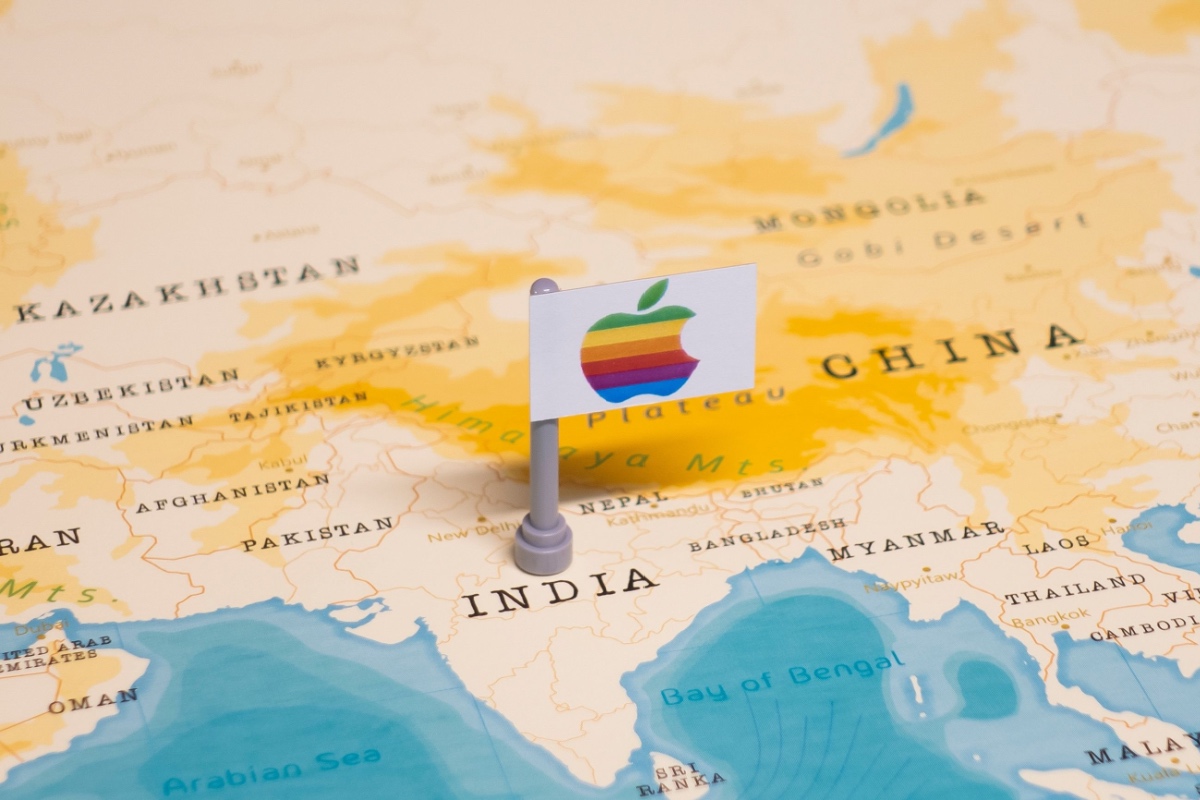
Apple Pay is currently not available to Indian consumers and businesses, but the tech giant is reportedly close for a phased roll out in the country this year.
Apple reportedly in discussions with Indian regulators and authorities for a proposed launch of Apple Pay set for later this year.
The Times Of India reported on January 21 that Apple is eyeing for a full scale launch of its digital payment method, although a rollout will likely happen in phases.
Apple Pay is currently only available for international users to make payments from Indian merchants and businesses. Local payment providers, such as Razorpay, Cashfree and PayGlocal, support Apple Pay transactions but only for cross-border payments from countries like the US, UK and United Arab Emirates (UAE).
Apple will need to be compliant with the Reserve Bank of India’s (RBI) standards, such as data localisation laws, in order to operate across the country. Executives suggested Apple may start its market expansion with cross-border acceptance, before rolling out limited domestic digital transactions on either regulated RBI business, local payment providers, and the Unified Payments Interface (UPI).
Despite being one of the most popular digital wallets in the world, Apple Pay has faced similar slow market entries in China, Thailand and South Korea due to local regulations and competitiveness from popular local players.
Apple’s first barrier: regulation
For Apple to expand its payment services across India it first must comply and integrate the country’s National Payments Corporation of India (NPCI) systems.
NPCI was launched by the RBI and the Indian Bank’s Association (IBA) to bring forth a new digital-first and unified payment rail which aims to accelerate domestic retail payments, as well as 24/7 access and support demographics shifting away from cash.
This enabled UPI to become the most popular real-time payment method in India, and one of the most successful in the world.
Apple will also have to comply with the RBI’s data localisation rules. The Indian central bank mandates all payment operators to store their payment data for transactions settled in the country exclusively with RBI. Payment data, such as names and passwords, must also be stored in India and nowhere else.
These rules are implemented so RBI and other authorities have direct access to payment data and can react quicker to cybersecurity threats, reducing fragmentation and boosting data sovereignty.
Compared to Apple Pay’s home market of the US, where the country’s data localisation laws are more relaxed, this may provide local expertise of the Indian market with the right employees.
Apple’s second barrier: UPI
In 2024, UPI processed 172 billion transactions in India, continuing its reputation as the country’s most popular digital payment method and processor.
The total payments processed was a record for a calendar year, increasing by 46% from 2023. The total value of UPI transactions also increased to approximately $2.8 trillion (RS 247 trillion).
UPI is not only a major real-time payment success story natively, but it is now beating out the likes of Visa in payment processing across the globe. UPI processed more than 650 million daily transactions in July 2025, surpassing Visa (639 billion) for the first time.
As UPI also acts as a digital payment method, enabling peer-to-peer transactions and available on merchant checkouts, it may prove to be an insurmountable task for Apple Pay to even compete with the real-time payment method in India.