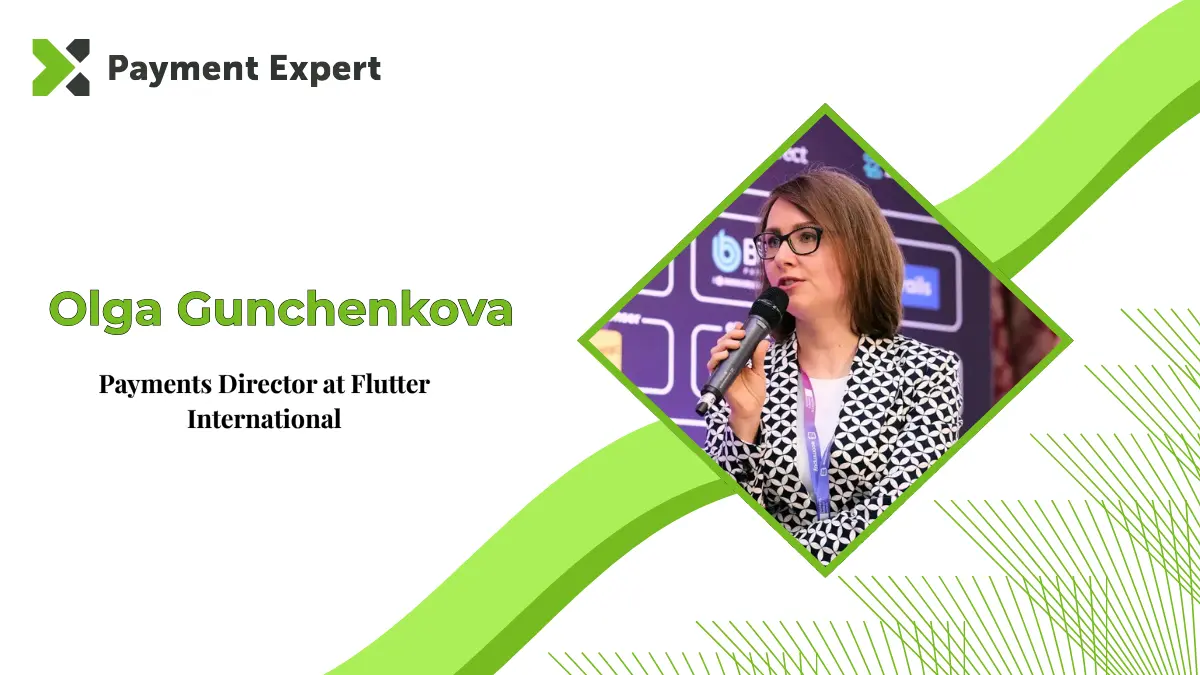
Olga Gunchenkova, Payments Director at Flutter International, explains what is holding instant payouts back in iGaming.
Payment failures and slow withdrawals frustrate bettors and will eventually lead to them playing with a different operator.
Payment Expert spoke to Olga Gunchenkova, Payments Director at Flutter International, about how open banking and account-to-account (A2A) payment methods are influencing player expectations across Europe and why a lot of the challenges operators face are tied to infrastructure.
Gunchenkova also explains what’s really slowing the move to instant payouts and says that payments have become a competitive battleground in iGaming.
Read the full interview below.
The Operators Olga is responsible for at Flutter span some very different payments markets – UK, Germany, the Nordics and Spain. Where are player expectations furthest ahead of what operators are delivering?
Each country has its own preferred payment methods, and operators need to stay on top of changing consumer preferences in every market. In recent years, the introduction of open banking and similar A2A payment APIs has accelerated the pace of change across the payments landscape.
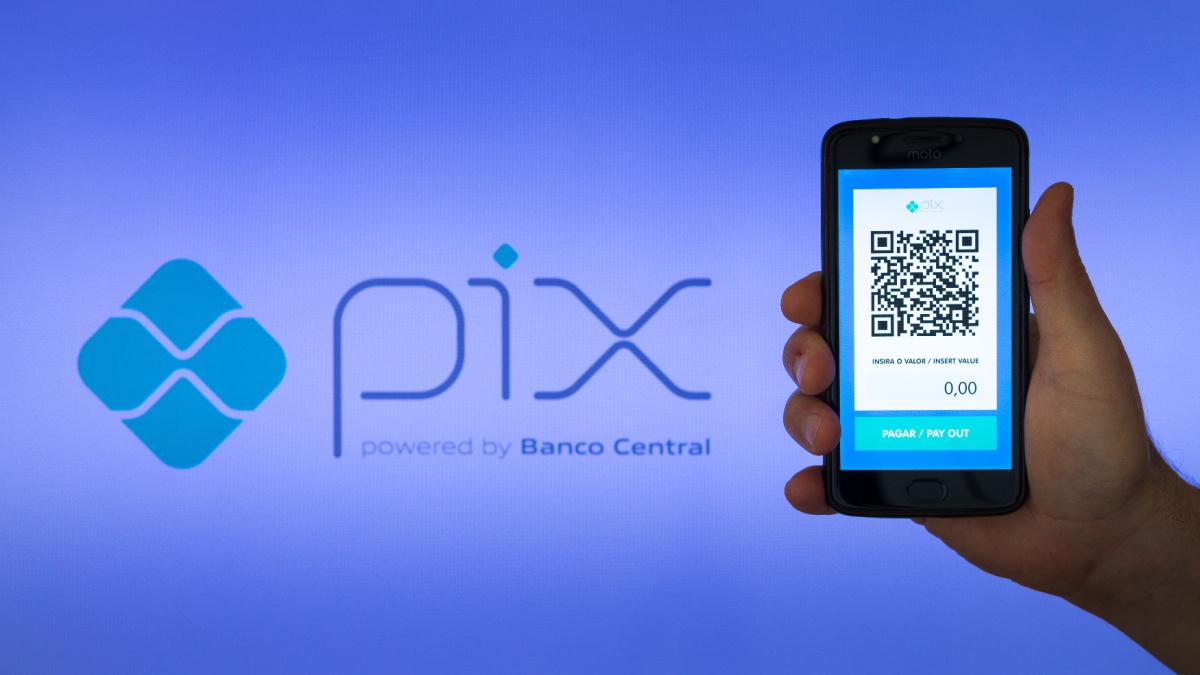
We have seen this clearly in Brazil, where Pix accounted for approximately 40% of online payment transactions by 2024, following its launch at the end of 2020, and has become the country’s dominant payment method these days.
In Europe, some A2A payment methods have been widely used in e-commerce and iGaming for years, such as Sofort and Multibanco, while others, such as Bizum in Spain, are rapidly gaining popularity. Furthermore, established alternative payment methods continue to evolve their technologies and user journeys, keeping operators’ payments roadmaps busy.
However, most payment methods were originally designed for retail use and are not yet fully equipped to support the specific requirements of the iGaming sector. Some currently offer deposit functionality only and do not support payouts or account-holder name verification, both of which are regulatory requirements under many major iGaming licenses.
We are working closely with leading payment providers to enable the functionality that is essential for regulated iGaming operators.
Failed transactions and slow withdrawals are consistently cited as reasons players leave. How much of that is an infrastructure problem versus an operator prioritisation problem?
The payment experience precedes any engagement in iGaming activities and should be as frictionless as possible. Customers may abandon the journey because they don’t understand what is happening during the payment process. Therefore, the layout, content and messaging displayed on the payment page are just as important as the technical calls taking place in the back end.
Of course, not all declines are avoidable. However, the reason for a decline and the instructions on how to complete the transaction successfully should be clear. For example: “You do not have sufficient funds available on your card to complete this transaction. Please amend the amount and try again.”
Successful completion of a transaction must also be clearly communicated to prevent customers from making duplicate payments. When an operator receives a meaningful response from its payment infrastructure, it can guide the player through the appropriate next steps. When the error message is unclear, the player is left stuck without knowing what has happened or how to proceed. Unfortunately, financial ecosystem participants do not always provide meaningful response codes or real-time APIs. Ultimately, many obstacles in the payment journey originate in the underlying infrastructure rather than in the operator’s customer experience.

Instant payouts have gone from a nice-to-have to an expectation in several markets. What’s realistically standing in the way of making that the default across every jurisdiction you operate in?
In countries where banking rails support instant payments, customers increasingly expect withdrawals to be received in real time. The rollout of SEPA Instant across the euro area is nearing completion, while the UK’s Faster Payments Service has been operational for well over a decade. In Brazil, Pix transactions are also processed instantly in both directions; the same is true for Swish in Sweden.
Payout to card rails is supporting instant transfers as well, although their adoption in iGaming varies by country. Wherever instant payout technology is available, we use it.
Players should nevertheless keep in mind that every withdrawal is subject to fraud and anti-money laundering screening, and, in the case of larger amounts, enhanced checks are undertaken before the funds are sent to the selected payment instrument. As a result, not every transaction reaches the payment instrument within seconds, because appropriate safeguards must be applied to protect customers’ funds.
There’s a view that payments are shifting from a back-office concern to a front-line competitive differentiator. From where you sit at The Operators, is that actually playing out?
In iGaming, payments have traditionally been more advanced than in many other online industries. The need to make payment journeys frictionless and effortless has never been in question. Operators were early adopters of card-on-file journeys, Apple Pay and various one-click payment solutions offered by digital wallets. It is therefore unsurprising that they have also been early adopters of more recent technologies, such as open banking payments and card network tokenisation.
In recent years, the transformation of payments infrastructure has accelerated further, driven by the adoption of new technologies and practices not only by online businesses but also across the broader retail and offline environment. Each new technology has the potential to improve convenience for customers, and investment in these capabilities ultimately delivers value through a better customer experience, higher conversion and stronger retention.