Revolut will need to convince consumers that paying with their face is as trustworthy as it is convenient.
Revolut has launched a facial recognition payment system, meaning smiling more could be the answer to checkout friction.
Called Revolut Pay with Smile, the biometric payment system enables customers to pay for everyday purchases without a phone or wallet and offers merchants 0% processing fees on transactions.

The launch comes alongside Revolut Register, the fintech’s new hospitality point-of-sale (POS) system, which Alex Codina, General Manager of Merchant Payments at Revolut Business, believes could address some of the biggest challenges facing UK hospitality payments.
“With over half of Brits reporting delays or failures due to merchants dropping internet signals, checkout friction is driving customers out the door,” said Codina.
Research commissioned by Revolut and conducted by Censuswide found that independent venues spend an average of £875 per month on payment processing and infrastructure, rising to more than £950 for pubs and bars.
Revolut also estimates terminal outages cost merchants £2,495 in direct lost revenue annually and that two-thirds of independent venues reportedly face verbal outbursts from customers multiple times a week due to poor checkout experiences.
Codina said: “To solve this, we’re deploying Revolut’s full technological ecosystem to reinvent the mechanics of the hospitality industry and give consumers the payments experience they deserve.”
He added that by combining high-performance processing with facial recognition technology, Revolut is replacing “outdated, fragmented tills with a hyper-efficient checkout experience.”
How Revolut Pay with Smile works
Customers can opt into Pay with Smile through the Revolut app, linking their facial recognition credentials to the identification checks completed when they first registered with the bank.
Once enrolled, customers can pay at participating merchants by looking at a compatible terminal, without needing a phone, payment card or wallet.
Revolut says transactions are authenticated through end-to-end encryption managed within its app, with merchants not storing customers’ personal data. Customers will also earn triple RevPoints on every Pay with Smile transaction.
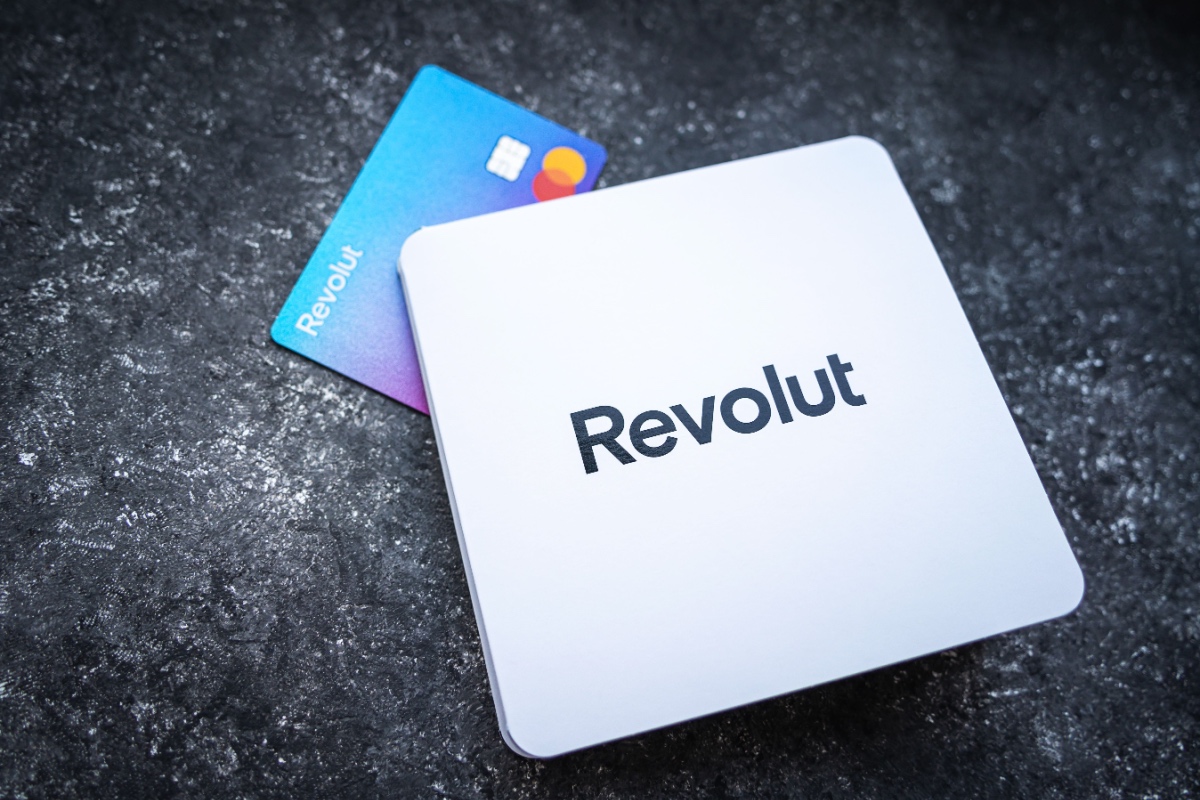
The system is integrated into Revolut Register, a modular, two-screen POS system that aims to combine payments, banking and hospitality operations. The hardware includes an eSIM backup intended to maintain connectivity during internet outages.
Customers can trial the technology at Kiss the Hippo Coffee locations in Bloomsbury, Soho and Chelsea from 24-26 September.
Alex Damgaci, Managing Director at Kiss the Hippo Coffee, said: “In hospitality, a seamless checkout is no longer a luxury, it’s the bare minimum. Technology that takes the friction out of the payment process and offers payment flexibility gives operators the reliability they need to protect revenue and maintain guest satisfaction.”
Can biometric payments take off in the UK?
The market most people look to when considering the future of biometric payments is Asia, where providers have been experimenting with ways to make transactions as convenient as possible.
In China, Alipay has integrated payment technology into augmented reality glasses developed with Rokid, allowing users to scan merchant QR codes and confirm transactions through voice commands. Tencent has also trialled palm-scan payments in Thailand, bringing technology already deployed in China to convenience stores and retail outlets.
While biometrics are already familiar to UK consumers, used for tasks like unlocking smartphones and authenticating payments with a fingerprint or face, using facial recognition as the payment method is new.
Two of the biggest hurdles are trust and compliance because biometric data differs from a password or payment card. If it’s compromised, a customer can’t change their face or fingerprint.
This issue is relevant for Revolut, which is using the facial verification customers completed when they first signed up to authenticate Pay with Smile transactions.

The launch also comes shortly after Revolut confirmed that an unauthorised third party obtained sensitive customer information after submitting fraudulent requests through a legitimate government agency email domain. Stolen information reportedly included verification selfies, as well as identity documents and other personal data.
The incident doesn’t involve Pay with Smile and Revolut says its systems and customer funds were unaffected. However, it shows why trust and control over biometric information will be important as financial services providers ask consumers to use their identity in new ways.
Speaking to Payment Expert about the future of biometric technology last year, digital finance commentator David Birch said consumers are likely to favour payment credentials they can control.
“I think most people would prefer having a thing they have control over,” Birch said. That “thing” could be a smartcard, a ring, a bracelet, a phone or even a fingernail.”