Digital wallets have become one of the most popular payment methods of the decade, seamlessly allowing consumers to embed their debit and credit card information into their chosen digital device to perform contactless payments where accepted.
But just like everything else in payments, developments are quick and the industry moves at a pace which does not afford companies to stand still.
Due to their overwhelming popularity, Payment Expert broke down the five digital wallets that will have consumers, and businesses, talking about them at the end of the year.
Government Digital Wallets (Gov.UK and eID)
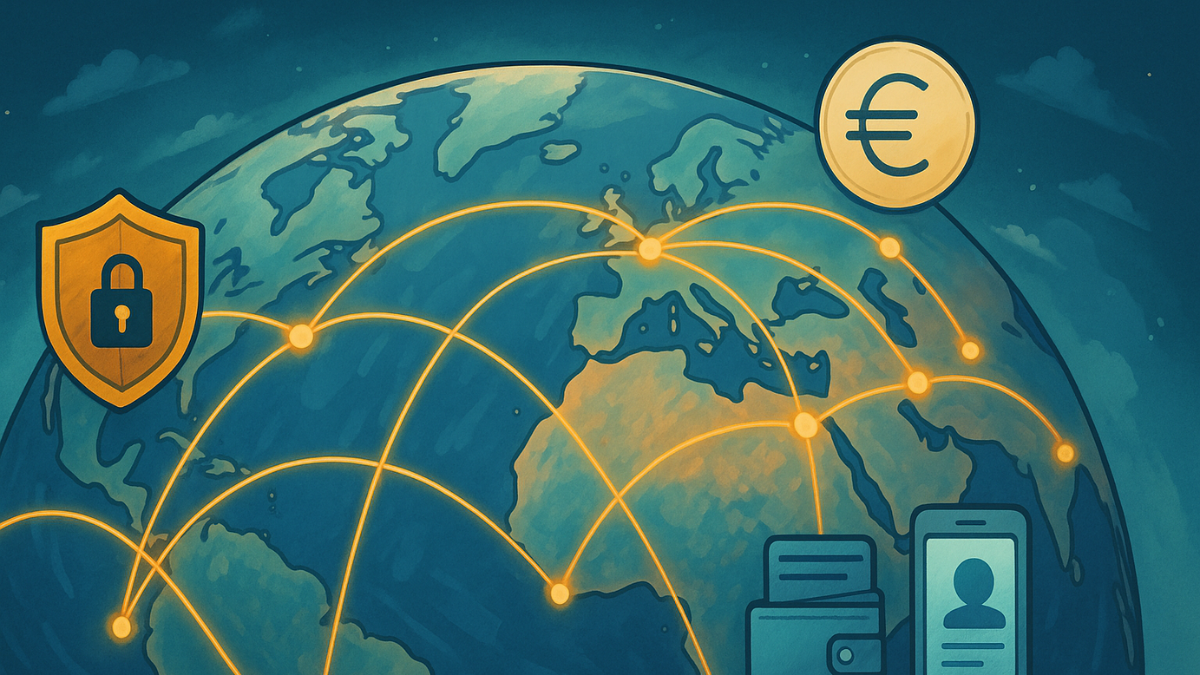
While new UK Prime Minister Andy Burnham has scrapped his predecessor Keir Starmer’s plans for a government mandated digital ID, the UK and other key jurisdictions are still progressing with plans to launch a form of digital wallet that can house all forms of identity and sensitive information.
Plans are in motion in the UK for the launch of the GOV.UK wallet. This would allow all UK citizens to manage and store official government issued documents within a singular digital wallet.
Official documents, such as passports, driving licences, visas and armed forces cards, can be stored and managed in the GOV.UK’s wallet to allow for seamless travel when documents are required to be viewed.
GOV.UK is proposing the wallet to be optional amongst UK citizens, with data being shared only with third parties or public services which are required and from the citizen’s permission.
The digital wallet is already available for Armed Forces Veterans. Private testing has been underway since late 2025 for the storing of driving licenses and it is expected to be rolled out for the entire UK population in late 2026/early 2027.
Unlike Burnham’s administration pulling back on mandatory digital ID wallets, the European Union (EU) is pressing ahead with its digital ID (eID).
The eID can be integrated in mobile devices, for both EU citizens and businesses, to store digital documents and enables them to sign digital documents from the same device.
The digital wallet allows EU citizens to login into public and private sector services, such as tax offices and banks, anywhere across the region.
Users can share sensitive information only if it is required to complete a transaction or signage to complete documentation. Signatures are also stored within the device for continuous usage.
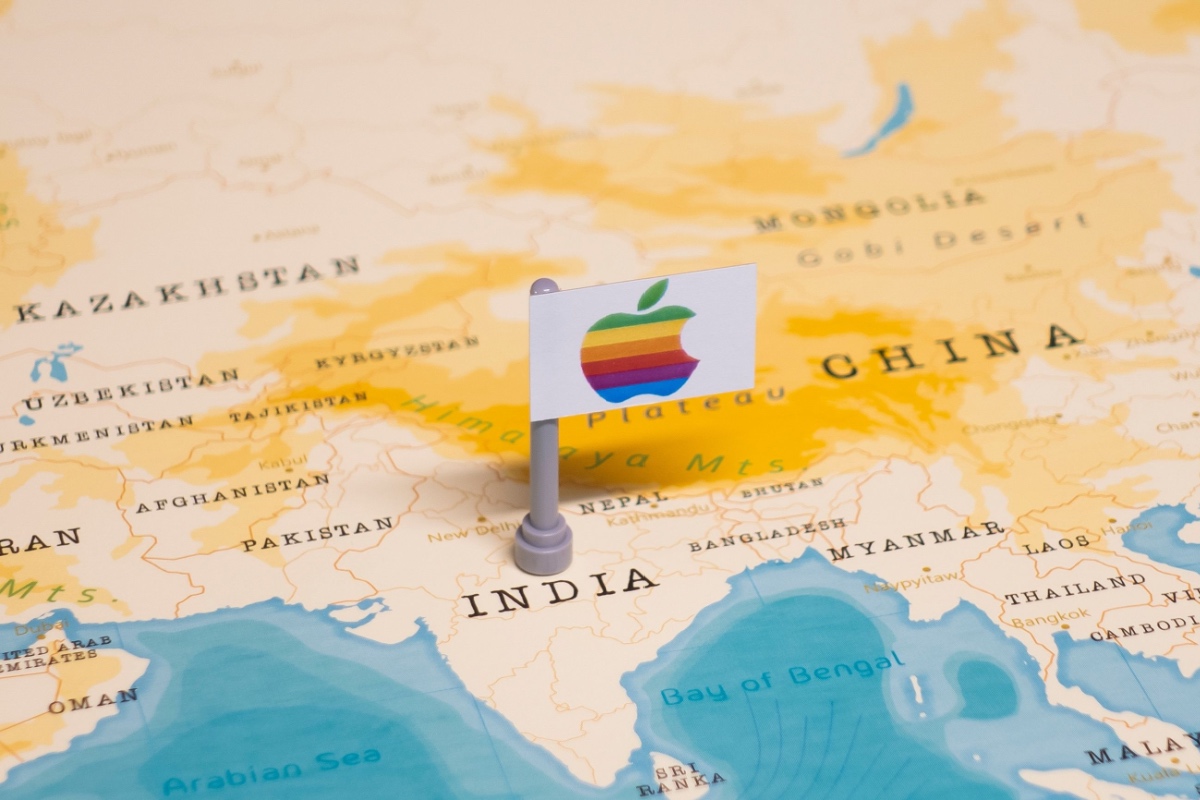
Other regions that have adopted similar government digital IDs include: Brazil, China, India, Saudi Arabia, South Korea, United Arab Emirates, among others.
Klarna Balance
Launched in October 2025, making it one of the newer digital wallets in the market, Klarna rolled out Klarna Balance for its users.
Acting as a central hub for Klarna users to deposit money, receive instant refunds, and earn cashback, Klarna Balance acts as a digital wallet for a specific fintech firm which indicates the growth of the market.
Klarna Balance users are able to store money from returned items into their balance quicker than undergoing the traditional banking process. Cashback rewards are also available for those users who shop at selected stores where Klarna is accepted.
Money can also be added securely to Klarna Balance accounts using a debit card. Funds can be connected to the Klarna debit card to shop and spend online or in physical stores. Klarna Balance can also be used as a hub for users to manage and repay instalment loans.
The digital wallet is available in the US and UK, as well as a majority of European countries such as Austria, France, Germany, Ireland, Italy, Netherlands, Portugal, Spain and Klarna’s home market of Sweden.
Samsung Wallet
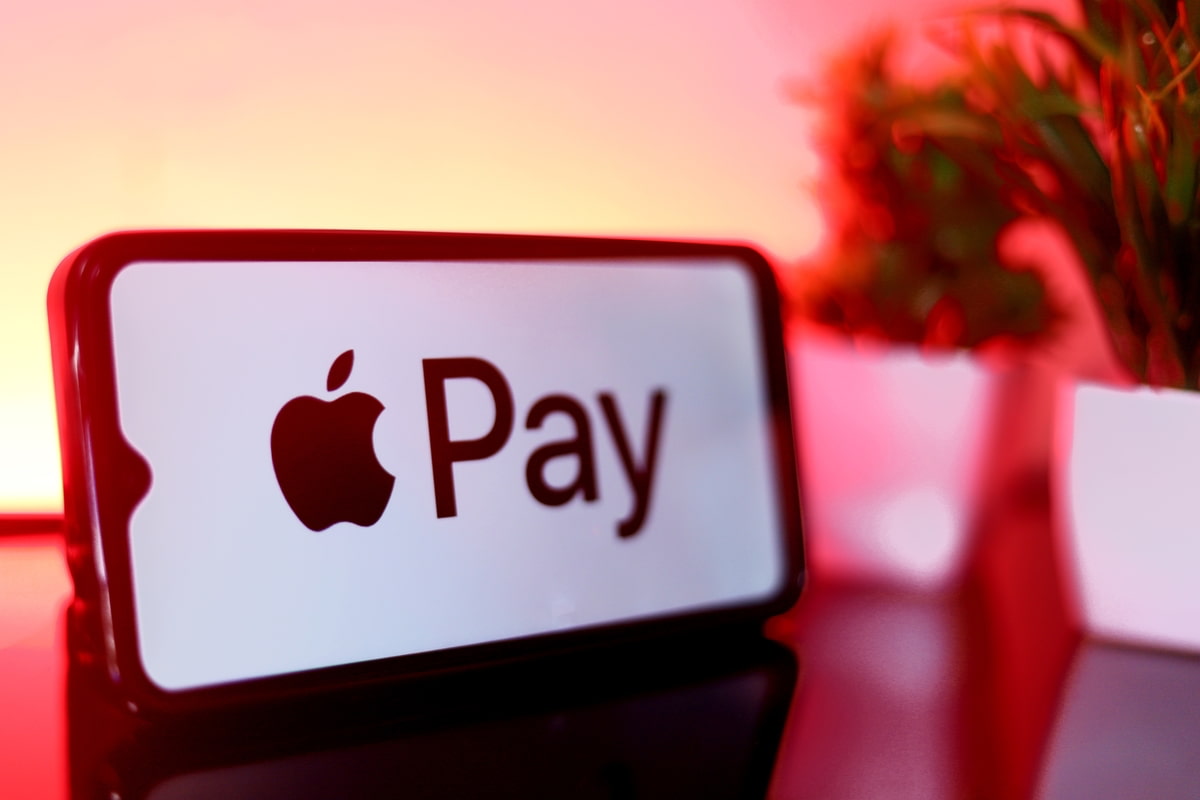
One of the mobile device companies turning to digital wallets to challenge Apple Pay is Samsung with Samsung Pay.
Like Apple Pay integrated within the iPhone, Samsung Pay is available to anyone with a Samsung. The digital wallet uses near-field communication (NFC) technology to perform contactless payments.
While Samsung Pay is accepted at millions of merchants’ checkouts, it also supports event tickets, gift cards, boarding passes and more, to be stored within the digital wallet.
Samsung made several announcements in July 2026 in its bid to close the gap on Apple Pay while also differentiating itself from Apple.
The launch of the Samsung Galaxy Card becomes Samsung’s first issued debit card and offers 3% cashback via the Samsung digital wallet.
Samsung Pay is also set to support stablecoins for everyday mobile payment usage, enabling millions of users to interact with stablecoins for the first time.
Samsung is also allowing brands to push real-time points balances and save new cards in its digital wallet, updated regional transit cards for digital keys, and a new timeline view for boarding passes and travel tickets.
WeChat Pay
One of the most popular payment methods in China is starting a strategic global expansion to enter new markets to rival the likes of Apple Pay.
WeChat Pay, the mobile payment method part of the super app WeChat, parent company Tencent announced in March 2026 US PayPal users will be able to pay with WeChat Pay for payments accepted by Weixin Pay merchants in China.
Meanwhile, WeChat Pay is becoming more available in Asian markets such as South Korea, Thailand, Malaysia, Singapore and Sri Lanka.
The payment method will support cross-border payments to-and-from these countries by connecting with local payment networks.
WeChat Pay forms part of the super app, WeChat, which also encompasses messaging, video content, e-commerce, mini games, and more, into a singular platform to perform multiple functions.
Being predominantly widely available in China, WeChat is rolling out in-app guidance for 16 new languages to support users from different countries, expanding its reach and usability for more people across populations.
Wero
Wero is Europe’s account-to-account (A2A) alternative to Mastercard and Visa and has undergone significant expansion over the past year.
Headed by the European Payments Initiative (EPI), Wero is currently available in Belgium, France, Germany, the Netherlands, and Luxembourg.
The digital wallet supports peer-to-peer transactions, either via mobile phone number, email addresses and QR codes. Users can use Wero to pay at physical and online checkouts, as well as make subscription payments and handle billing within the wallet.
Wero also adopts instant payments rails to allow payments to move quicker, removing waiting times to send and receive funds from friends and family.
Some of Europe’s largest payment and financial institutions are backing Wero’s growth and adoption.
In the past year, Revolut, Adyen, Worldpay, Mollie, Belgian, German and French banks joined the EPI to offer Wero as a payment method.
The payment method is expected to continue to grow to more European Union (EU) nations if they share the European Central Bank’s scepticism over the sovereignty of the region’s payments and currency independence.