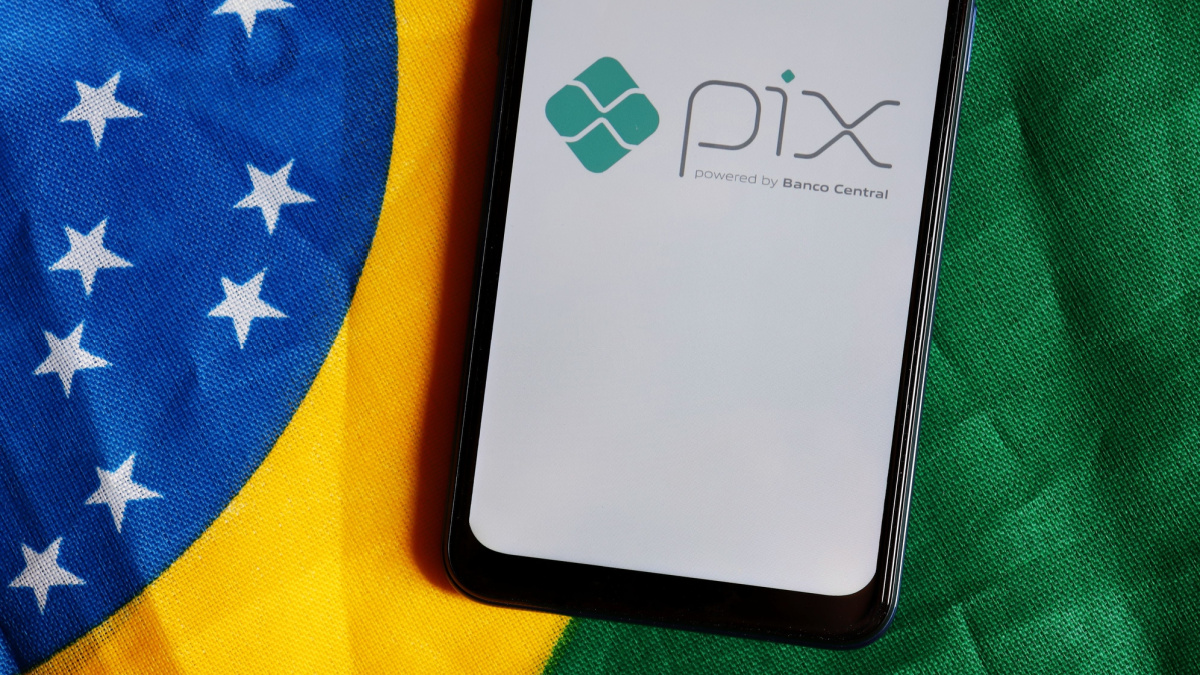
Brazil’s central bank signals a firmer push to link Pix with foreign payment systems, weeks after the US cited it to justify 25% tariffs
Brazil’s central bank said on Monday it is assessing links between Pix and similar instant-payment platforms abroad, a firmer signal of cross-border ambitions for a system the US has named in a trade dispute.
The statement came in the bank’s management report on Pix, the free instant-payment rail it operates. Connecting instant-payment systems across borders could lower costs, speed up transactions, broaden access and improve transparency, the report said.
The wording is quite the stepchange from the bank’s 2023 Pix report, which said only that the platform “may in the future” be integrated with international systems. The latest report says authorities are discussing bilateral connections and participation in multilateral payment hubs.
The central bank told Reuters in July it had signed information-sharing agreements on Pix with 65 foreign counterparts, from Germany and Canada to South Africa and Turkey.
Pix: A system built to bypass cards
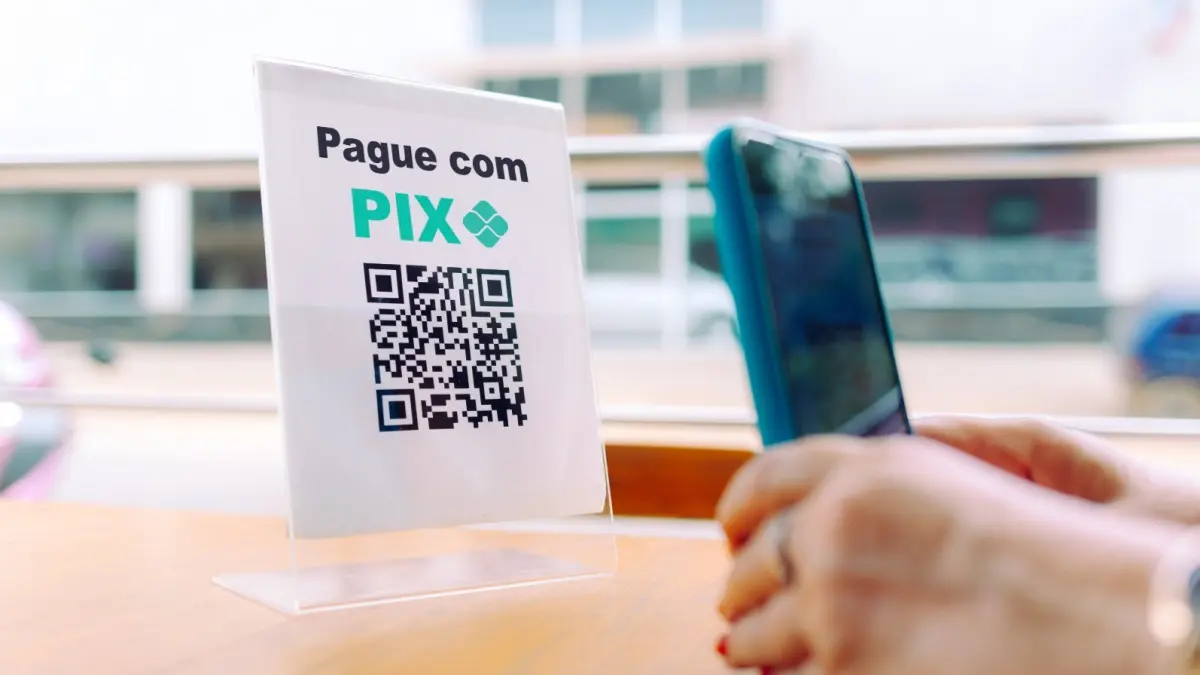
Pix dominates electronic payments in Brazil, enabling real-time transfers through banking apps. It is free for person-to-person transfers and costs merchants far less than card payments, bypassing much of the traditional card chain.
Since its launch in late 2020, Brazil’s instant payments method has brought tens of millions of people into the financial system and eroded the share of debit and credit cards, cutting into volumes for Mastercard and Visa.
Pix transactions rose 25.7% in 2025 from the previous year to nearly 80 billion, the central bank said, with volumes above 35 trillion reais ($6.87trn). Consumer-to-business payments made up 43% of all transactions last year, up from 6% in 2020.
Pix became the most popular online payment method in Brazil in 2025, covering 42% of e-commerce purchases against 41% for credit cards, according to fintech EBANX, which processes about a third of Pix’s Brazilian payments. EBANX projects Brazil’s dominant digital payment method will reach 50% of e-commerce payments by 2028.
Washington’s trade case
The US cited Pix in a Section 301 investigation that raised concerns over the central bank’s dual role as operator and regulator of the system.
The US Trade Representative opened the probe on 15 July 2025 and issued its determination on 1 June 2026, finding Brazil’s conduct on electronic payment services unreasonable and a burden on US commerce.
The finding helped justify 25% tariffs on most Brazilian imports, which took effect on 22 July 2026, per the Federal Register notice. Visa and Mastercard have raised anti-competition objections for years too.
Brazilian officials have argued the US scrutiny is designed to protect US card companies. President Luiz Inácio Lula da Silva said on 17 July that “no one is going to change our Pix,” in comments carried by Reuters. The central bank reiterated in Monday’s report its position that it is critical public digital infrastructure.
The payment methods’ design has drawn interest from central banks weighing their own public payment rails. India’s UPI network faced similar treatment in the US 2026 National Trade Estimate report. The 65 information-sharing agreements give Brazil a base for the bilateral and multilateral links the bank now says it is pursuing.
The report does not set a timeline for any cross-border connection. Negotiations over the tariffs remain open, and Brazil retains the option of formal retaliation.