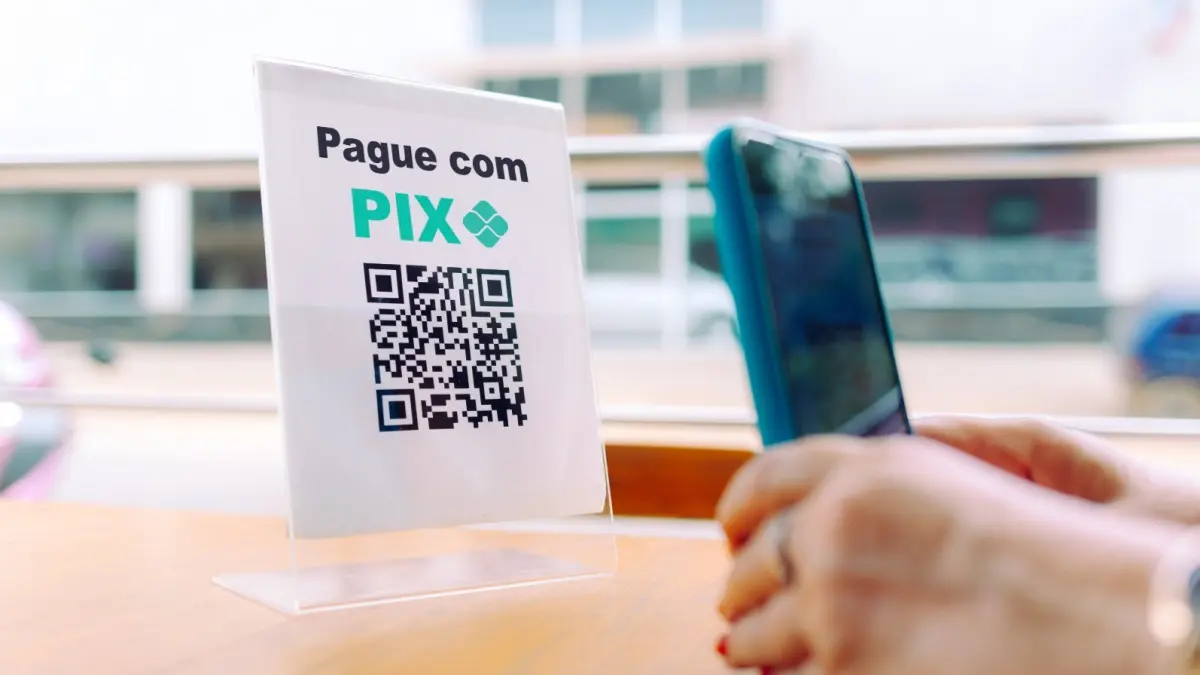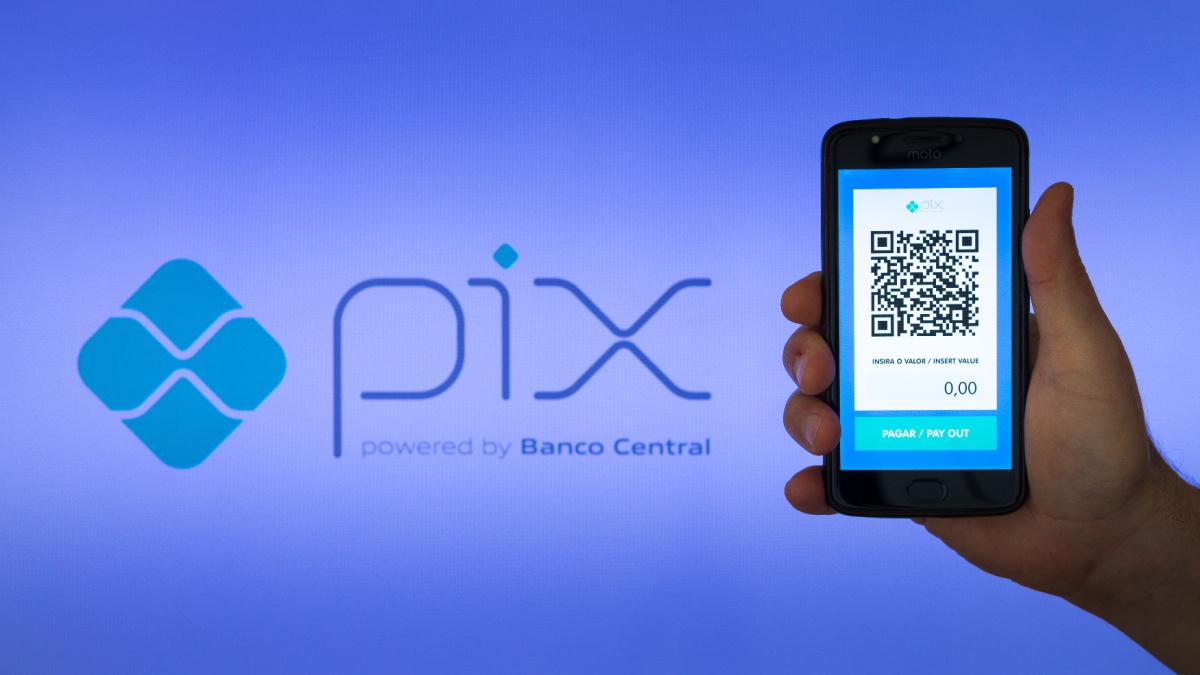
Pix has transformed Brazil’s payments landscape since launching in 2020, reaching 148 million users.
Launched at the height of COVID-19 in November 2020, Pix could not have made more of a timely introduction to the Brazilian population during a time when digital contactless payments were about to explode across the globe.
Before the instant payments system revolutionised payments in Brazil, the country’s most established banks – Itaú Unibanco, Banco Bradesco, Caixa Econômica Federal – and card networks controlled the payment rails, which came with high intrachange and transfer fees, as well as restricted payment hours.
In a bid to take back control and modernise Brazil’s payment infrastructure, then-President of the Brazil Central Bank, Ilan Goldfajn, proposed a real-time payment system that focused on near-instant payment transactions, low costs for customers and merchants, and interoperability controlled by the central bank.
In February 2020, Pix was announced.
Six years later, it was used by 148 million people in Brazil, 16 million companies, 79.8 billion transactions processed, and $6.87 trillion in transaction value, in 2025 alone.

/ Shutterstock.com
Central Bank ownership and mandates
Before the Brazil Central Bank, or Banco Central do Brasil (BCB), could roll out Pix, it first had to provide the real-time payment network to support peer-to-peer and digital transactions.
The BCB therefore built Sistema de Pagamentos Instantâneos (SPI), a real-time payment engine that processes and settles transactions in under three seconds, making it available to users 24/7/365.
The Diretório de Identificadores de Contas Portáveis (DICT) was also developed to become the BCB’s rail for mapping keys of transactions processed by SPI. This identifies transactions from IDs, mobile phone numbers, emails, or a randomly generated key from bank accounts.
These two payment rails became the foundation for the BCB to wrestle back control of its payment infrastructure from the commercial banks and card networks.
But in order to grow usage from the outset, it first had to gain approval and adoption from the banks, merchants and other businesses.
Therefore, the BCB mandated that all financial and payment institutions that have more than 500,000 customers must provide Pix as a payment method.
The central bank also mandated that financial institutions – including banks like Itaú Unibanco and digital banks such as Nubank – must also embed open APIs to support modern user experience guidelines.
Perhaps the most important mandate, the BCB enforced zero costs attached to peer-to-peer transactions between two individuals. Businesses and merchants are subject to fees, but significantly lower than the previous interchange fees charged by card networks and banks.
The processing fee for merchants in 2025 averaged 0.33%. The Merchant Discount Rate charged by Visa and Mastercard for Brazilian merchants’ payments averaged 2.3% per transaction.
How Pix adoption grew beyond the central bank
The BCB’s mandates enforced when Pix was launched in November 2020 set the tempo for its early adoption.
It took less than three years for it to overtake traditional credit and debit card transactions in 2023, which can be attributed to its ability to serve underbanked populations where access to bank-issued debit and credit cards is unavailable.
Because the system is mandated to be integrated into almost every Brazilian financial service and digital wallet, as long as a user has a mobile device, they can use Pix as a payment method, as it is accepted nationwide.
Pix has improved financial inclusion across Brazil and the BCB revealed in November 2025 that the payment method supported 71.5 million underserved or underbanked users, now reaching 80% of the entire adult population.
For merchants, not only is the cost-effective nature of Pix a bonus, but it has become essential for the lifespan of a startup e-commerce business.
Payments Commerce and Market Intelligence found the system accounted for nearly 40% of all e-commerce transactions. This is expected to increase in 2028, projecting Pix to hold a 50% market share of digital transaction volume for e-commerce merchants.
The evolution of value added to Pix
Not content with being the most popular digital payment method in Brazil, the BCB has integrated value-added services to Pix in order to serve multiple customer needs.
López-Sors, Head of Global Transaction Banking Americas at BBVA, told Payment Expert earlier this year that Pix is being used across a much wider range of payment use cases.
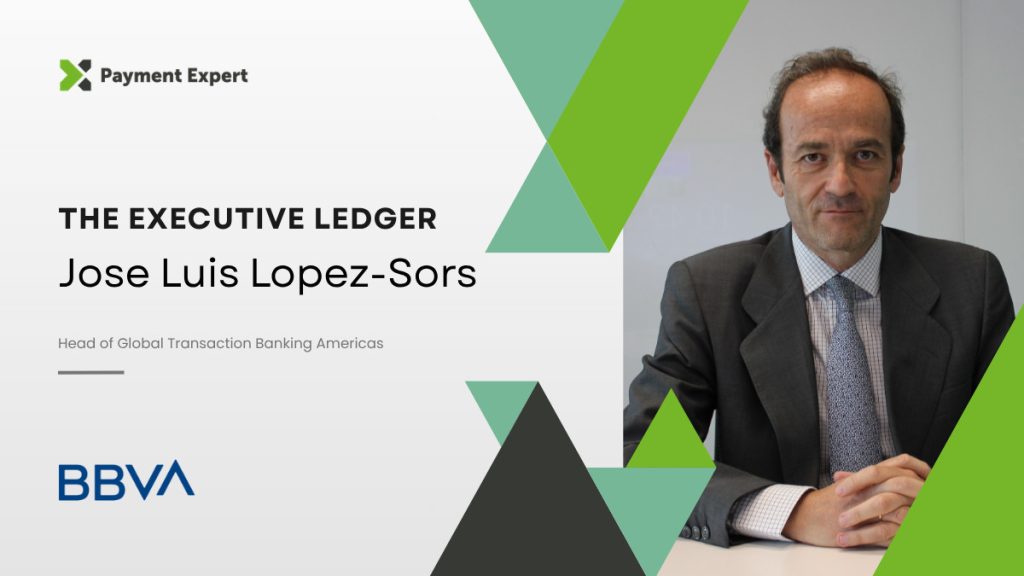
“In Brazil, for instance, Pix is already used not only for P2P but also for payroll, tax payments, and e-commerce purposes.”
In 2021, Pix Saque and Pix Troco were launched to allow cash-dependent users to withdraw cash and pay at retail stores. Saque allows users to transfer money to gain the same amount in cash, while Troco allows users to pay with Pix for higher amounts on goods/services, receiving the change in cashback.
Pix Automático is an alternative to direct debit. It handles recurring and subscription payments directly from the user’s bank account without needing to manually approve the transaction each time, whether that is weekly or monthly.
Launched in 2025, EBANX, a provider of Pix, found that Automático unlocked credit access for the first time to 64% of Brazilians who made their first recurring/subscription payment.
Pix 4x is a buy-now-pay-later (BNPL) offering that continues to demonstrate the BCB’s commitment to value-added services while adapting to new, emerging payment methods.
Serving as another method for underserved users to access credit, Pix 4x allows users to pay for goods/services in equal instalment amounts, typically across bi-weekly and monthly payments.
The merchant receives the full amount for the goods/services once the user selects Pix 4x. Some providers of the BNPL solution are able to attach interest to the instalment payments, which has been allowed by the BCB.
In July 2026, EBANX was brought on board to scale Pix 4x to its 500 Brazilian merchants. Pagaleve’s services were also integrated to run AI-based risk management to conduct affordability and credit checks almost instantaneously for first-time users of Pix 4x
Pix’s global influence
Pix’s overwhelming domestic success has reverberated internationally and has been the topic of conversation among global policymakers about how to create their own account-to-account payment system that is not dependent on the global card networks.
The UK Payments Initiative (UKPI) was launched in 2026 in a bid to draft a new rulebook designed to bring open banking and account-to-account innovations to the forefront, creating new payment rails and methods designed for instant, cost-effective, digital payments.
Some of the UK’s largest banks formed UKPI, which includes: Barclays, HSBC, Lloyds, Monzo, NatWest, Revolut, and Santander UK.
In Europe, the European Union (EU) has been aiming to develop homegrown payment alternatives to Visa/Mastercard as their duopoly continues to remain strong.

The European Payments Initiative (EPI) looked to address these concerns with Wero, its answer to Pix.
Wero is an account-to-account payment method that runs on the SEPA payment rail, supporting payments via near field communication (NFC), QR codes and instant bank transfers. The payment method is already live in France, Germany and Belgium, with the Netherlands and Luxembourg soon to adopt it.
Pix isn’t confined to Brazil. Its reach has expanded through international payment providers, cross-border commerce and efforts to connect Brazil’s instant payment infrastructure with other markets.
Global payment companies such as EBANX, Stripe and dLocal have integrated Pix, allowing international merchants including Amazon, Shein and AliExpress to accept instant payments in Brazilian real from local customers.
Brazil has also explored linking Pix with other instant payment systems. The Central Bank of Brazil has held discussions with countries including Colombia and Argentina, as well as other markets developing their own real-time payment networks, including India and its Unified Payments Interface (UPI).
The Central Bank has also participated in Project Nexus, a Bank for International Settlements initiative exploring how national instant payment systems can be connected. The aim is to make cross-border payments and remittances faster and cheaper by allowing payment systems to communicate and reduce reliance on traditional correspondent banking networks.