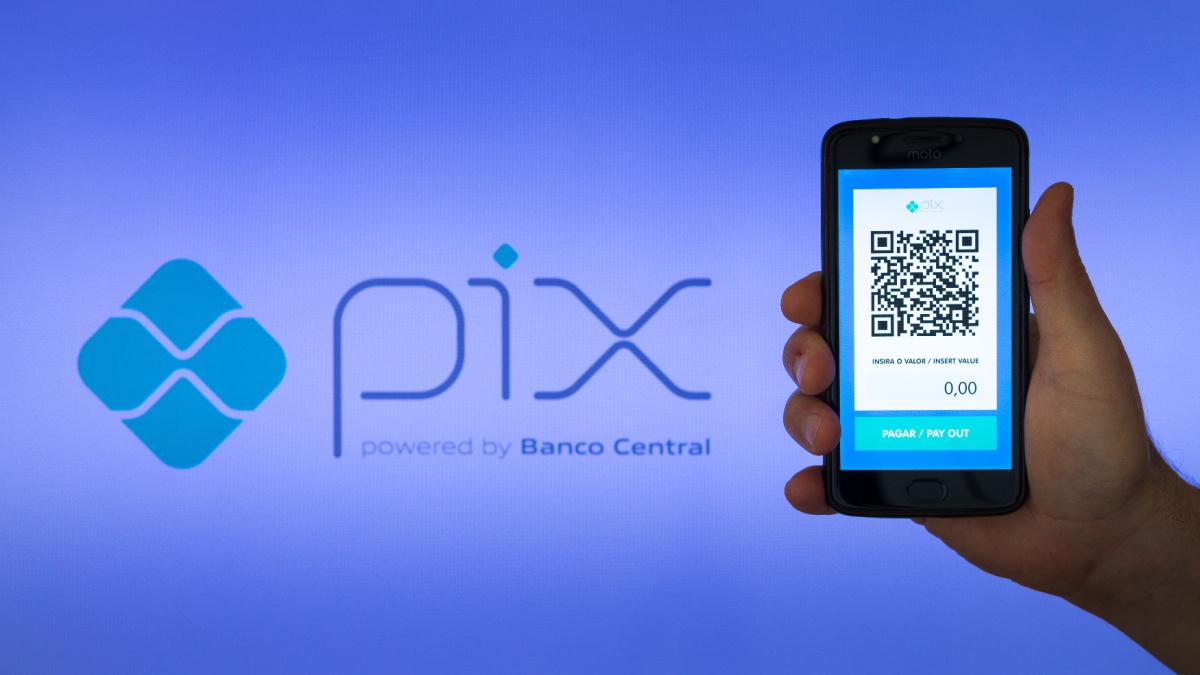
Pix’s buy-now-pay-later (BNPL) method, Pix 4x, will be supported by EBANX and Pagaleve to offer a credit card alternative for up to 60 million Brazilians.
Brazilian payment service provider EBANX will offer Pix’s buy-now-pay-later (BNPL) offering, Pix 4x, to up to 60 million customers in partnership with Pagaleve.
The BNPL method allows customers to make instalment payments and access credit without the use of traditional credit cards, to be used for e-commerce purchases and spread the costs over time.
Pix 4x will be rolled out to EBANX’s 500 merchant partners across industries such as retail gaming and social media. The offering will also become available to global companies that use EBANX.
Pix’s BNPL service supports cross-border payments for global companies. Customers can pay the first of four bi-weekly installments at the checkout, while the sellers receive the payment. EBANX will also support the instalment-based payment process with its technology to scale across more global markets and sectors.
Sebastian Fantini, Director of Product at EBANX, said: “Brazil has one of the world’s most sophisticated payment ecosystems and Latin America’s largest e-commerce market, but millions of consumers have been locked out of installment payments due to credit barriers,”
“By integrating Pagaleve’s risk engine with our global merchant network and Pix’s ubiquity, we’re creating something the Brazilian market has never had: a truly open BNPL platform accessible to any customer, anywhere in the country, that allows them to participate in the global digital economy.”
Pagaleve’s integrated risk engine
As up to 96% of Brazil’s adult population use Pix, according to EBANX research, this makes risk compliance and checks more pivotal if more customers transition to Pix 4x payments when handling credit.
Furthermore, 60 million Brazilians do not own a credit card, making Pix 4x a more viable and accessible option for them to access credit.

Pagaleve installs its proprietary risk analysis engine to conduct instant credit checks in three seconds to ensure customers have the necessary affordability requirements to perform Pix 4x payments.
Built with AI and machine learning, the system evaluates over 100 data points, including products purchased, quantity, amount, seller, customer profile, credit score, device, and IP address. Pagaleve also assumes 100% of the default risk.
Eduardo Zucareli, Chief Commercial Officer of Pagaleve, said: “The model we’ve built with EBANX breaks down traditional barriers because it doesn’t require consumers to have a credit card or limit available to pay a purchase in installments.
“That opens the door to three underserved segments that we’re now reaching at scale: consumers without credit cards and those with restrictive credit card limits”.
Brazil’s BNPL sector is growing
With e-commerce spending in Brazil expected to reach $2.7bn by 2028, EBANX intends to support this by delivering more flexible ways to pay for goods and services with BNPL.
Transaction value of Brazil’s e-commerce payments made by BNPL methods represented 47% of total value, which places the country in the top 15 emerging markets, according to PCMI.
EBANX also found that installment-based payments can increase average order value by 2.7 times what it currently is in Brazil. Retailers also stand to make on average 20% more in revenue as software-as-a-service providers continue to deliver the relevant services needed to support BNPL.
“What makes Brazil’s BNPL market unique is how it merges the nation’s long-standing installment culture with modern instant payment infrastructure,” added Fantini.
“This combination creates something powerful: a purchasing behavior Brazilians already trust, delivered through technology they already use daily, and extended to populations that traditional credit never reached.”