Lockwood will offer a free current account with no lending or savings, and will seek an EMI licence before a full banking licence
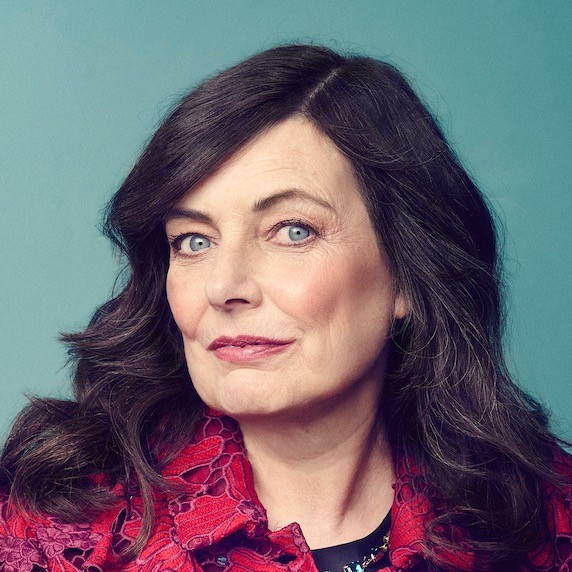
Anne Boden is building a bank for customers who let AI agents manage their money, the Starling Founder told The Sunday Times. The news comes a month after she sold her last shares in the challenger bank she launched in 2014.
Boden, 66, is paying for the new venture, Lockwood, with the money from selling her near-5% stake in Starling.
She stepped down as Starling’s CEO in 2023, a year before the Financial Conduct Authority (FCA) fined the bank £29m for failings in its financial crime controls.
“I’m building a bank that’s going to be built by agents, to serve customers that want to use agents, and then be defended by agents,” Boden said.
AI agents even chose the bank’s name. A team of agents negotiated with each other to produce a shortlist, Boden said, and settled on Lockwood because “it is easy to say, easy to spell, it has ‘lock’, which is safe, it inspires safety.”

Lockwood: customers can set the limits
Large UK banks have, as of yet, refused to give AI agents access to customer accounts because they fear the agents could make unauthorised transactions.
Lockwood will instead let customers decide what each agent can buy and how much it can spend, based on self-imposed limits. Boden used the example of Muse, the AI shopping assistant Meta plans to launch in the UK, to best describe Lockwood.
“I might say I only want Muse to be used for groceries and I don’t want to spend more than £100 a month. So if Muse presents a transaction for fuel that is £200 a month, you just say no,” she said.
She advises customers use Lockwood in a similar way.
More broadly, payment firms are still testing how such controls should work. In July Mastercard announced a UK sandbox for testing AI payment agents, four months after Santander and Mastercard completed Europe’s first AI agent payment on live banking rails.
Executives from Worldpay, Silverflow and Equals told Payment Expert in July identity, liability and dispute rules for agent-initiated payments remain unresolved. Boden plans to bring banks and regulators together in a working party to decide how agentic banking will work.
She argues a bank built from scratch will be easier to defend from hostile agents than incumbents running older systems. “Imagine now that the big banks are like a huge castle with 400 doors and lots of things bolted on and all the walls are different sizes. We are building something with one door that has been built with new technology that has no gaps in it,” she said.
Lockwood will offer a current account but no lending or savings products. It will not charge customers and will make its money from the interest it earns on deposits.
A different route to market
Boden is taking a different licensing route from the one she took at Starling. Lockwood will first apply for an electronic money institution (EMI) licence, which allows it to process transactions, and will convert to a full bank later. “We hope to [get] the EMI licence next year, and the following year launch the bank,” she said.
“As far as the customer is concerned, it’s more important to get the application out there,” adding she aims to do so before the end of 2027.
She is funding Lockwood herself for now and plans to raise money from outside investors next year. She would not say how many staff she has beyond a team of 36, which she said includes “some consultants, very few employees”.
Boden is targeting one million customers in Lockwood’s first 12 months. She expects the bank to become “orders of magnitude bigger than Starling”, which has 6.3 million customers.
She also plans to expand internationally sooner than she did at Starling, because “having an international business is easier to float”. Starling has not yet listed, and several of its board members left in June amid differences over its IPO plans.