The resolution does not introduce new regulations for cryptocurrency, but it does bring bribery via digital assets under the Party’s anti-corruption policy.
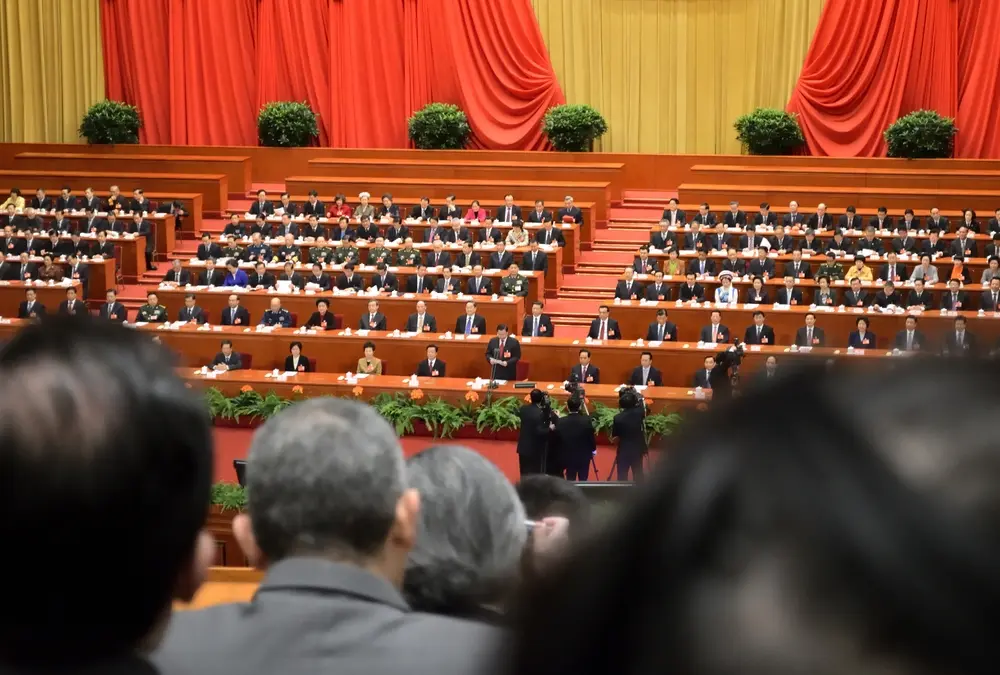
The Chinese Communist Party (CCP) has called for a tougher stance against corruption involving virtual currencies, blockchain, cross-border capital flows, and the internet. The calls were outlined in a resolution, titled “Resolution on Certain Major Issues Regarding the Continued Full and Strict Self-Governance of the Party”, which were adopted by the Central Committee on October 29 2026.
State news agency Xinhua published the full text on November 1, which detailed a communiqué from the Chinese Ministry of Foreign Affairs saying 162 full members and 117 alternate members attended the session.
Within the anti-corruption section of the resolution, the CCP has instructed disciplinary bodies to take action against officials, those offering bribes, and intermediaries who use digital assets to conceal illicit payments.
The same section lists other covert forms of corruption, such as deferred rewards for the abuse of power, assets held through proxies, intermediaries acting as “white gloves” (fronts for others), and the “revolving door” phenomenon between government and the private sector.
The resolution does not mention specific terms such as bitcoin, stablecoins, exchanges, or over-the-counter trading platforms, nor does it establish new rules for the trading or mining of cryptocurrencies. It instructs disciplinary bodies to develop digital oversight systems and big-data platforms to monitor how officials exercise their power.
It also calls for closer cooperation with foreign authorities to apprehend fugitives and recover assets that have been moved abroad.

Building on existing crypto cases and the February ban
Even before this resolution, Chinese investigators were already dealing with bribery cases involving the use of cryptocurrencies. In November 2024, the disciplinary commission of Guangdong Province expelled Yao Qian – the former head of technology supervision at the China Securities Regulatory Commission (CSRC) – from the Party.
He was accused of using virtual currency in acts of corruption (trading power for money).
According to the media outlet Jiemian, this was the first time such language had appeared in an official disciplinary decision. A documentary by the broadcaster CCTV, aired on January 14, 2026, revealed that in 2018, Yao had accepted 2,000 ETH from a businessman.
In exchange, he lobbied a cryptocurrency exchange to support the businessman’s “token sale,” which raised 20,000 ETH. In 2021, Yao converted 370 ETH into 10m yuan; investigators were able to trace both transactions via the blockchain.
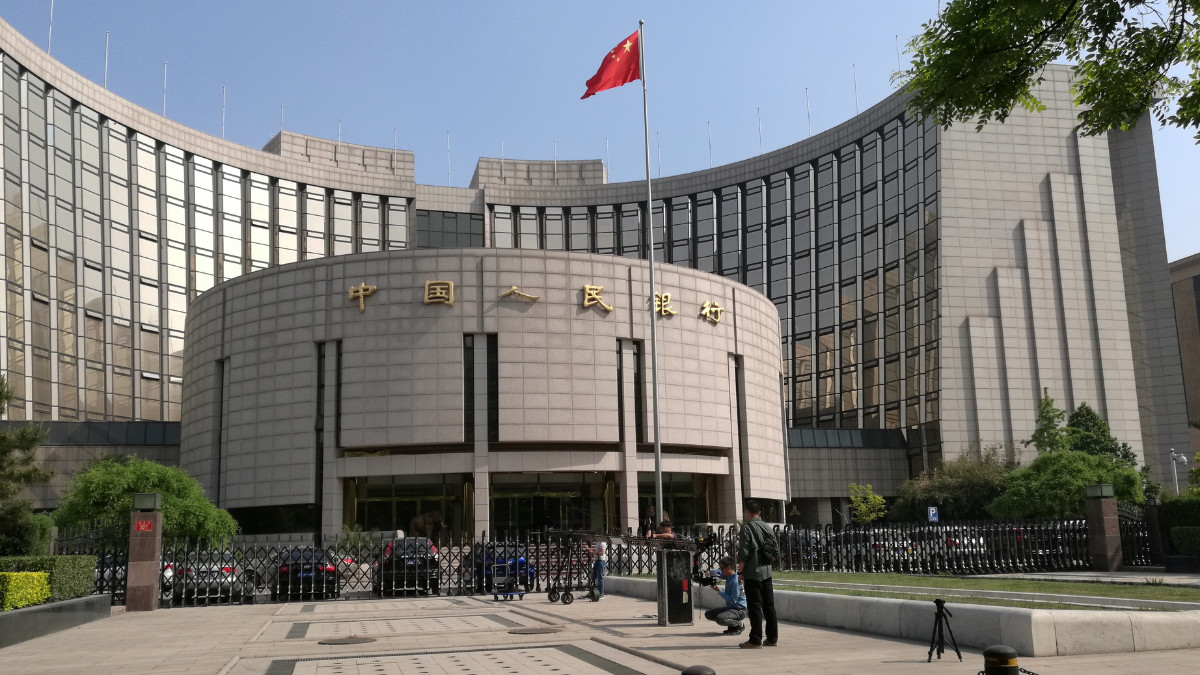
Mainland China has gradually imposed restrictions on cryptocurrencies, beginning in December 2013 when the People’s Bank of China (PBOC) prohibited banks from processing Bitcoin transactions.
During a meeting led by the PBOC and attended by 13 government agencies on November 28, 2025, “stablecoins” were also brought under the scope of these strict crypto policies.
Subsequently, on February 6, 2026, the PBOC and seven other agencies issued “Notice No. 42,” which superseded the 2021 ban and classified all virtual currency-related activities on the mainland as illegal financial practices.
Furthermore, the February notice prohibited the issuance of yuan-pegged stablecoins from abroad, as well as any “tokenisation” on the mainland conducted without prior approval.
It was also stipulated that the tokenisation of physical assets (real-world assets) falls under the registration rules of the CSRC falls, and foreign companies were prohibited from offering crypto services to users in mainland China.
The October resolution leaves these rules unchanged but adds cross-border capital flows to the list of channels disciplinary investigators will focus on.