The US payments industry is working to improve the customer experience around instant payments to compete with cards and ACH transfers.
The US Faster Payments Council (FPC) has published a ‘how-to guide’ to help banks implement non-value messaging.
Titled Operational Considerations for Non-Value Messages, the guide was developed by the FPC’s Operational Considerations Work Group and outlines best practices for implementing and managing communications that support payment transactions.
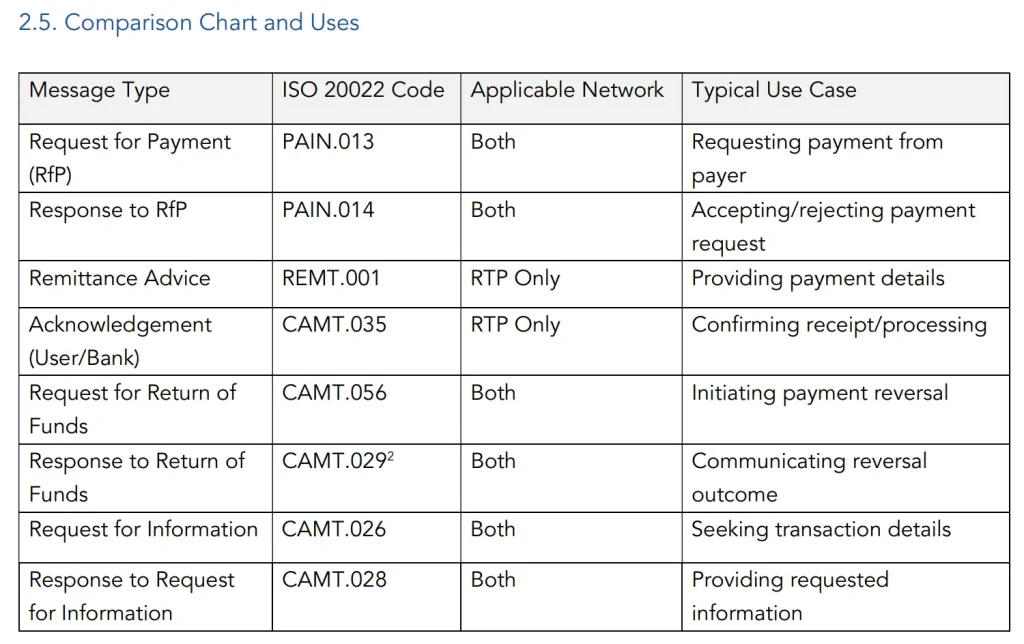
Non-value messages allow institutions to request payments, return funds, exchange transaction information and communicate payment status, playing a vital role in how banks manage the processes surrounding a transaction.
Miriam Sheril, Head of Product – North America at Form3 and Chair of the FPC Operational Considerations Work Group, said that they can be just as important as the payment, but are “often treated as secondary.”
“When designed and used effectively, they provide the context, visibility and control needed to make real-time payments work better – not just faster,” said Sheril.
“That’s why we felt it was important to give the industry a practical ‘how-to’ guide for using these messages to unlock their value and streamline instant payment processing.”
What does the guide cover?
The guide covers several types of non-value messages, including requests to make or return payments, requests for information, remittance messages and system updates.
It also explains how banks can manage these messages, covering fraud prevention, risk management, regulatory requirements and technology integration.
“Successful instant payments require more than the ability to move funds in seconds. Financial institutions also need the processes, technology, and information to support those transactions from beginning to end,” said Reed Luhtanen, FPC Executive Director and CEO.
One section notes differences between the RTP Network and the FedNow Service, two US instant payment networks.
The guide says both support a wide range of ISO 20022 non-value messages and operate 24/7, meaning banks must have the technology and staff in place to receive and respond to messages at any time.
However, some features, such as Request for Payment, are optional for participating institutions. Differences in settlement structures, operational processes and interoperability can also affect how banks implement these messages across each network.
How does the US compare with other markets?
The US began expanding its instant payment capabilities with the launch of The Clearing House‘s aforementioned RTP Network in 2017, followed by the Federal Reserve‘s FedNow Service in 2023.
However, the country’s payments landscape, dominated by cards, ACH transfers and other legacy payment methods, has slowed real-time payment adoption compared with some international markets.
Brazil’s Pix and India’s Unified Payments Interface have become ingrained in everyday payments. UPI processed between 228bn and 240bn transactions in 2025, accounting for roughly half of all real-time digital payments globally, while Pix handled 79.8bn transactions in Brazil during the same period.

Although instant payments offer benefits such as faster access to funds and fewer settlement delays, these advantages haven’t been enough to displace other payment methods in the US.
The FPC’s latest guide suggests the industry is looking to improve the infrastructure and customer experience around instant payments, potentially making them more attractive to banks, businesses and consumers.
Dustin Martin, Vice President of Electronic Payment Services at US Bank and Vice Chair of the Operational Considerations Work Group, said faster payments are about more than transaction speed.
“Having the right information at the right time can be just as important to successfully supporting the payment,” said Martin.
“This guide provides practical considerations for how non-value messages can improve visibility, strengthen operational processes, and ultimately create a better payment experience.”