Asian tech giants are starting to build a presence in US payments, with Samsung and Sony leading the way.
Samsung has launched Samsung Galaxy Card, a co‑branded credit card that encourages users to route more of their daily spending through its wallet.
Issued by Barclays US Consumer Bank on the Visa network, the credit card offers enhanced rewards for purchases made with Samsung, including 5% cash rewards on eligible transactions and an additional 5% when preordering the next Galaxy device.

Other incentives for users include 3% cash rewards on purchases made through Samsung Wallet, 2% cash rewards on streaming services such as Disney+, Netflix and Spotify, and 1% cash rewards on all other transactions.
“For years, users have relied on Samsung products to enhance their daily life – from staying connected with friends, to relaxation, to productivity,“ said Woncheol Chai, EVP and Head of the Digital Wallet Team at the Mobile eXperience (MX) Business at Samsung Electronics.
“Today, Samsung Galaxy Card offers users a new way to be rewarded every time you pay. Users are busy, they need a credit card that simplifies their life and offers them real value – Samsung Galaxy Card does both.”
The way the rewards are structured suggests that the South Korean tech giant is trying to increase the role of its wallet in users’ everyday payments, where the card sits beside IDs, passes, digital keys and other credentials.
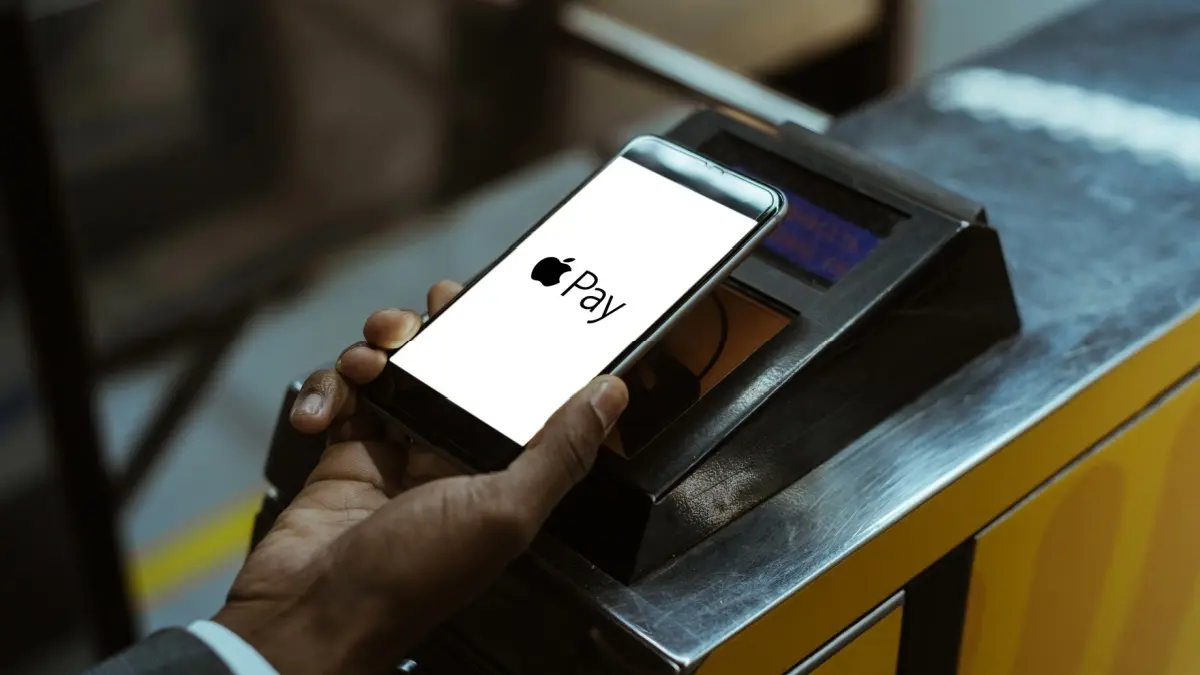
The wallet wars are in full swing, with Google making several improvements to its flagship Google Wallet in recent months. The company has expanded support for digital IDs and age‑verification credentials, introduced cross‑device payment authentication to reduce checkout friction and unveiled a redesign.
The US tech giant has also improved merchant integrations through new digital receipt APIs and loyalty enrolment prompts after contactless payments.
Samsung’s decision to add a co‑branded credit card brings a different strategy to the competition, using the payment product to increase day‑to‑day engagement with its wallet – a method that Google is yet to adopt.
The deal between Samsung, Barclays and Visa
Samsung Galaxy Card will be available as both a virtual card and a premium metal physical card, offering the aforementioned tiered rewards structure.
In a release, Barclays described the partnership as an example of its “partner-first strategy,” with CEO Denny Nealon saying that the collaboration brings “seamless, rewarding digital banking capabilities” into Samsung Wallet.
The bank gains an interesting distribution advantage through the partnership, with the South Korean tech company promoting the card across its devices, retail channels and wallet. This means that Barclays will gain access to a large existing user base without the need to invest heavily into marketing and customer acquisition.
Visa, which powers the network behind the card, said the launch was part of a change in consumer expectations.
“Consumers expect payments to be embedded into the digital experiences they use every day,” said Kirk Stuart, SVP, Head of North America Enablers, Merchants and Fintechs at Visa.
“By bringing together Samsung’s innovation, Barclays’ co-brand capabilities, and Visa’s trusted network, Samsung Galaxy Card delivers a connected experience that helps consumers earn rewards while providing the security and acceptance needed to support commerce wherever they choose to shop.”
Asian tech giants are entering US payments
Earlier this month, Sony Bank secured conditional approval from the Office of the Comptroller of the Currency to establish a national trust bank in New York, a big development in the company’s plans for a stablecoin‑focused financial arm.
The project will focus on issuing and managing dollar‑denominated stablecoins. With platforms such as PlayStation Network, Sony Music and Sony Pictures handling large volumes of transactions, the company has several points where a stablecoin could be integrated.
These natural areas for integration could lead to wider use of Sony’s stablecoin and even allow it to compete with issuers such as Circle and Tether, which have not faced meaningful competition in terms of market cap.