Revolut is enabling Click to Pay at card level, automatically enrolling tens of millions of customers in a model both Visa and Mastercard expect to make token-based checkout standard
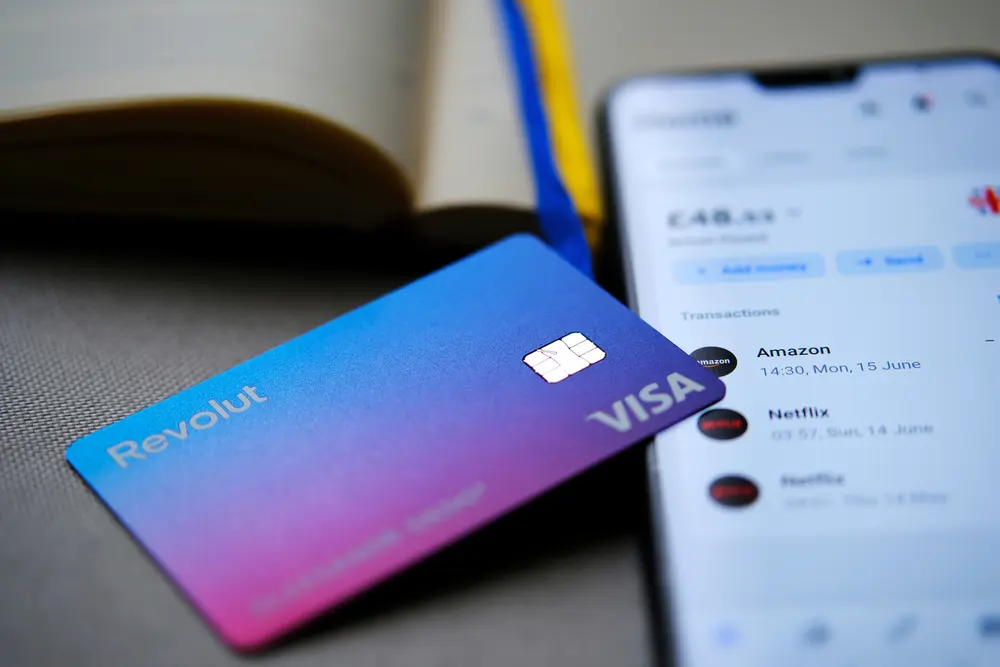
Visa has switched on Click to Pay for eligible Revolut cardholders across the UK and Europe, giving the technology one of its largest pools of pre-enrolled users yet. Revolut counts more than 13 million customers in the UK and over 40 million across Europe, with the rollout also reaching Australia, New Zealand, Singapore and Japan.
Revolut is enabling Click to Pay at card level rather than leaving customers to opt in merchant by merchant, so eligible cardholders arrive at participating checkouts already set up.

Making Click to Pay the default payment choice
Click to Pay has rarely been held back by what it can do; the obstacle has been getting consumers aware of it and switched on, and enabling whole card portfolios at once could be one of the surest routes to evolving Click to Pay from an option shoppers occasionally spot to one already there by default.
The technology strips card numbers, passwords and one-time codes out of online checkout, sitting on the EMVCo Secure Remote Commerce standard Visa, Mastercard, American Express and Discover launched in 2019.
Card details are replaced with network tokens, and biometric authentication runs through Visa Payment Passkeys. Revolut will also offer the option to merchants on its own platform across the UK and Europe.
Visa’s own network data puts the fraud reduction at up to 91% against manual card entry, the gain in authorisation rates at as much as 11%, and the time saved at checkout at up to 20 seconds.
These are vendor figures rather than independent benchmarks, each pitched as a ceiling, though the trend matches the broader tokenisation case for fewer exposed card numbers, more approvals and faster payment.

The partnership comes as UK Finance reported £1.28bn in fraud losses in 2025, something which Visa – in its own Spring bi-annual Threat report – attributes to rising personal scams.
“Online commerce should feel as natural as tapping your card in person,” said Mathieu Altwegg, Visa’s Head of Product & Solutions for Europe. Alex Codina, General Manager of Merchant Payments at Revolut, presented the integration as an extra checkout option for customers rather than a replacement for existing flows.
A defensive line as much as an upgrade
On 1 June, Mastercard reported Click to Pay running in 32 European markets, with enrolments more than doubling over the past year and returning customers accounting for over 70% of its Click to Pay checkouts.
Three in five of its European e-commerce transactions are now tokenised, against a target of phasing out manual card entry and reaching full e-commerce tokenisation by 2030.
Account-to-account payments, built on open banking, let merchants route around the card networks entirely, and Europe’s push for payment sovereignty has given the shift political momentum. The European Payments Initiative‘s Wero wallet now has tens of millions of users, and EU lawmakers backed further work on a digital euro in February.
For Visa and Mastercard, making card checkout as quick and secure as a bank transfer protects their share of online spending as much as it improves the customer experience.
Both networks are using the same tokens and passkeys to build toward agentic commerce, where AI agents make purchases on the shopper’s behalf. Those agents need to transact without a human typing a card number, and a tokenised, biometrically approved checkout already lets them.
Enrolling tens of millions of Revolut customers puts a ready user base in place well before agentic checkout becomes mainstream.