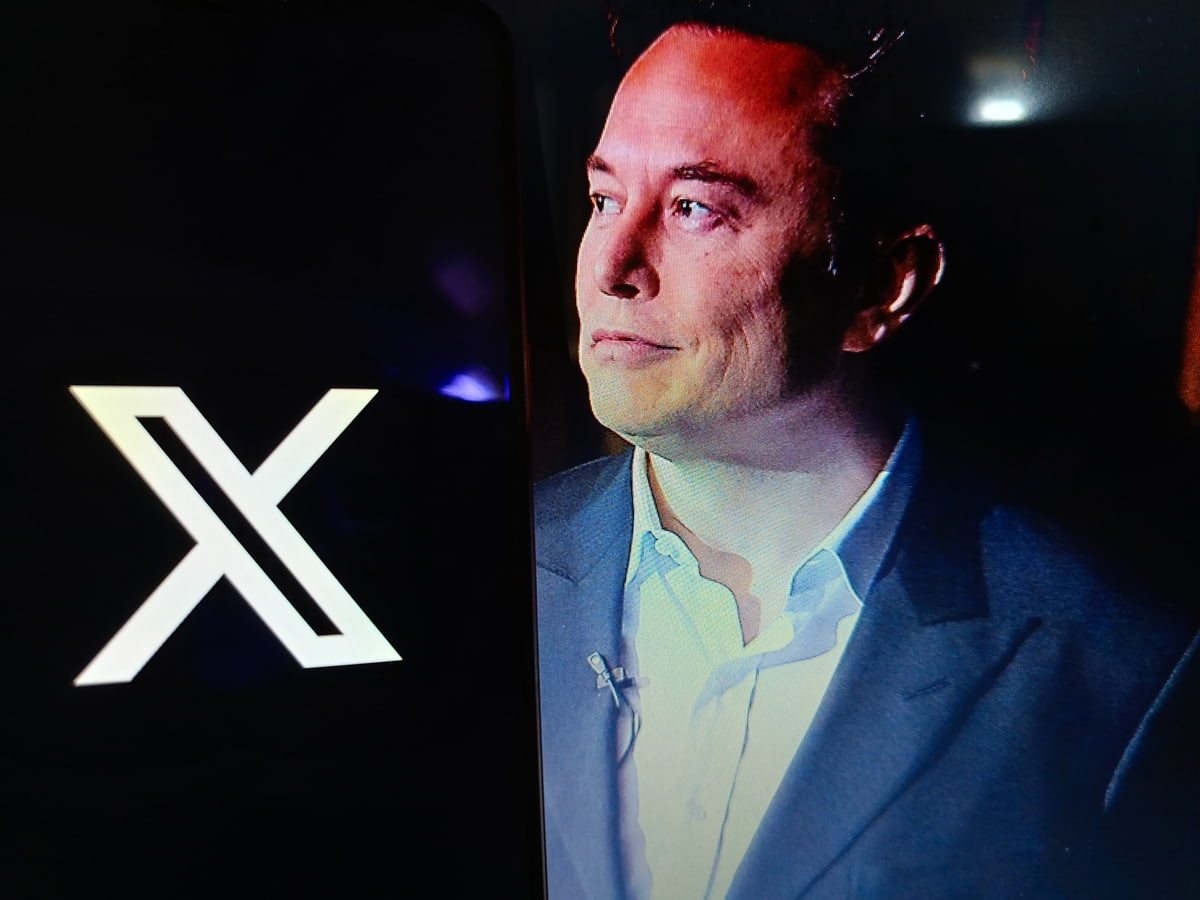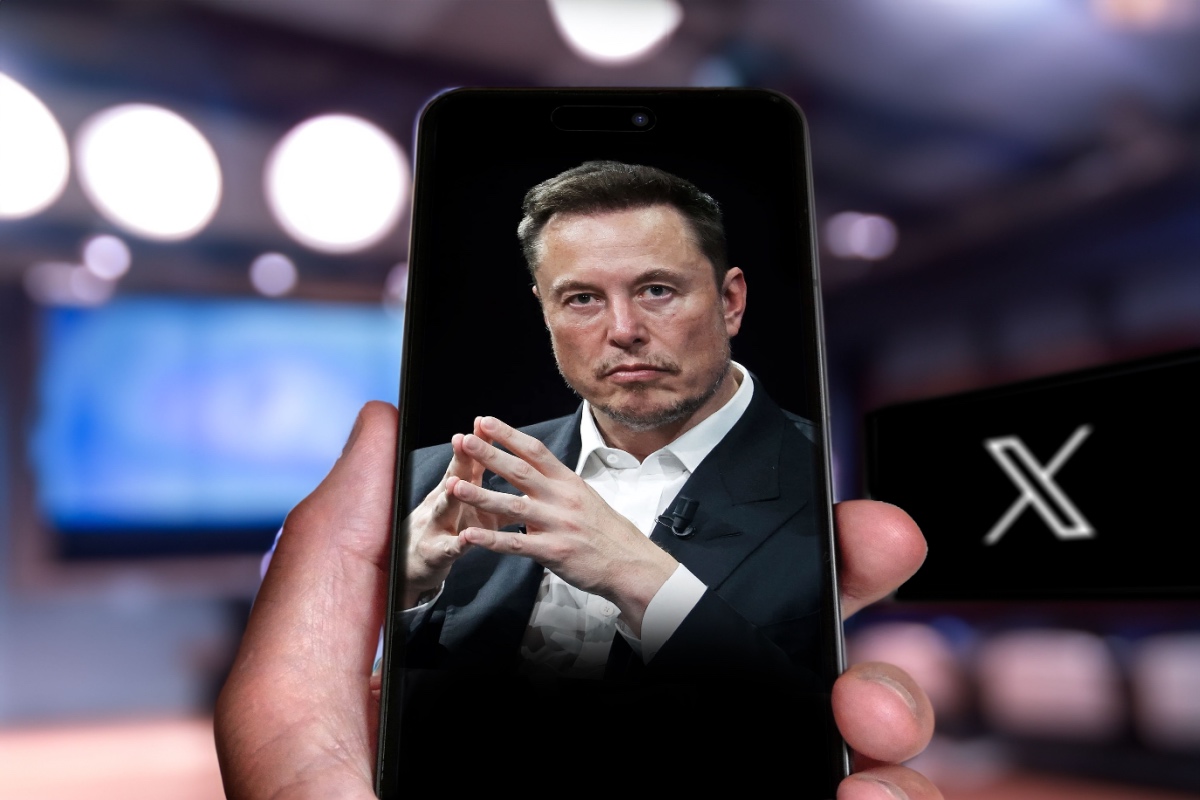
Elon Musk has turned financial access into a behavioural deterrent through X Money and I think it’s great.
I was going to start this article by painting an image of an internet troll, firing off hateful comments in the hopes of inciting a reaction. However, I realised that by doing so, it would be too similar to describing the man whose policy I am going to spend the next 700 words praising.
So, let’s talk about the Wild West instead.
For the last decade, social media has felt like a lawless frontier town. You could walk into the digital saloon, flip the table, hurl abuse at the bartender, and the worst thing that would happen is someone asking you to wear a fake moustache next time you come back.
Until now, there have been very few real-world consequences because our digital personas were completely separate from our wallets. But I’m here to tell you that’s all about to change because there’s a new sheriff in town and he rides an electric horse.
How X Money uses paper cheques
Earlier this week, X Money launched with a fascinating caveat. If your account is permanently suspended for violating either of two specific policies – Child Safety or Violent and Hateful Entities – you lose your blue checkmark, your followers and access to your X Money account.
Standard suspensions leave your money untouched, but cross the line into actual hate groups or explicit harm and the financial executioner steps in.
Your remaining balance isn’t seized to fund Musk’s colony on Mars, though admit it, you wouldn’t be shocked if it were. Instead, X posts your funds back to you the old-fashioned way via a paper cheque.
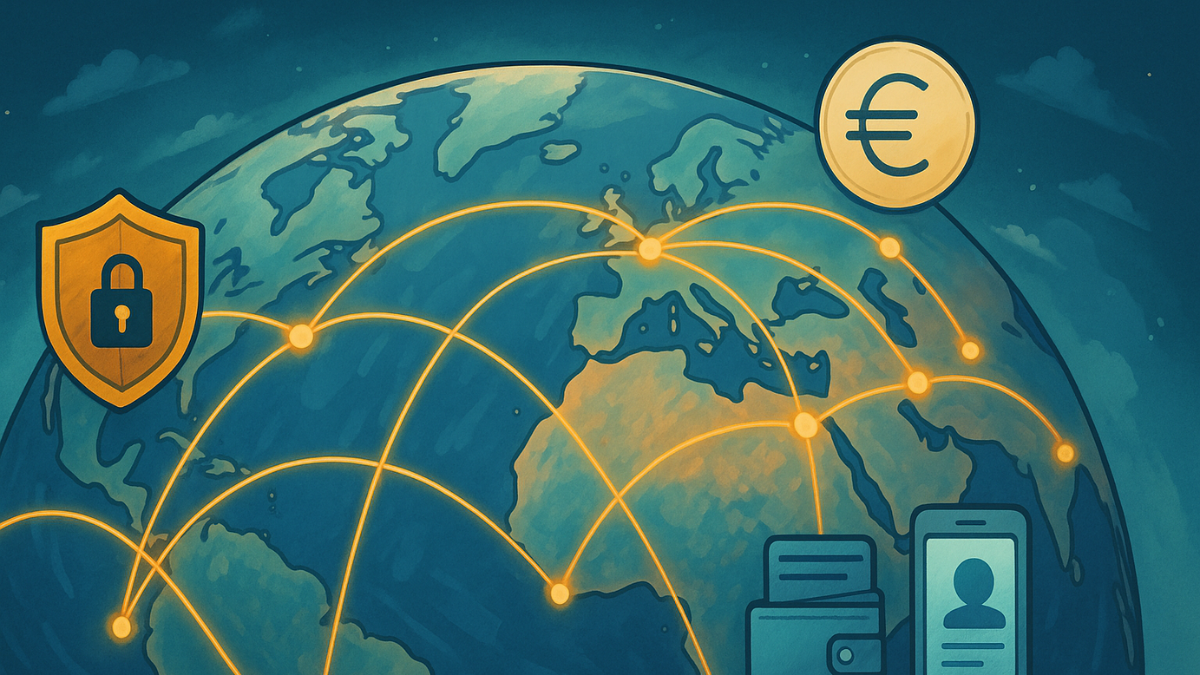
X Money is trying to be a full-scale digital financial ecosystem embedded within a social network. We are talking about Visa debit cards, direct deposits, wire transfers and high-yield APYs.
To pull this off, X can’t afford to operate like a lawless frontier anymore. You can’t offer up to $10m in FDIC insurance coverage and still let people shoot up the saloon. They are partnering with established financial institutions such as Cross River Bank and utilising complex sweep networks to handle the cash.
When a platform starts moving this kind of institutional money, it has to play by institutional rules. Financial partners do not like risk, and they certainly don’t like compliance nightmares.
If X wants to become the Western equivalent of WeChat – an ‘everything app’ where you pay your rent, buy your groceries, and receive your salary – it can’t afford to let the worst actors run rampant across its financial rails.
Don’t fall for the articles
In the past 24 hours I’ve seen several articles suggesting Musk will revoke access to your account over a risqué late‑night post he doesn’t agree with.
Yes, this would be absurdly hypocritical if it were true, because Musk and his dear friend President Donald Trump have spent years complaining about debanking, censorship and platforms limiting free speech. However, this isn’t the policy.
The bans apply only to the most severe categories, the same way WeChat handles extreme cases, where users get 48 hours to move their funds and incoming payments bounce back to the sender.
X Money is just going a step further. And honestly, banning these people from the digital economy might be exactly what the internet needs to heal. There is no better way to force someone to touch grass than making them wait three to five business days for a paper cheque.
What fascinates me most is what the punishment represents. For the first time, a major social platform is tying behaviour to financial access in a targeted, compliance‑driven, institution‑friendly way. Some might see it as theatrical, and hate it because it’s very Musk, but it’s a glimpse of where digital governance is heading.
The internet has never really had meaningful consequences. You could be vile, reckless or outright dangerous online and still enjoy the full convenience of modern life. X Money introduces friction into a space that has been consequence‑free for far too long.
Maybe the paper cheque is silly, petty and performative, but it’s also a reminder that the digital world is merging with the financial one and behaviour finally matters.
Now, if only we were forced to link our bank accounts to our social media profiles, the internet might actually become a pleasant place to be.