A long‑delayed upgrade is finally reaching one of the US’ most widely used public‑benefit payment systems.
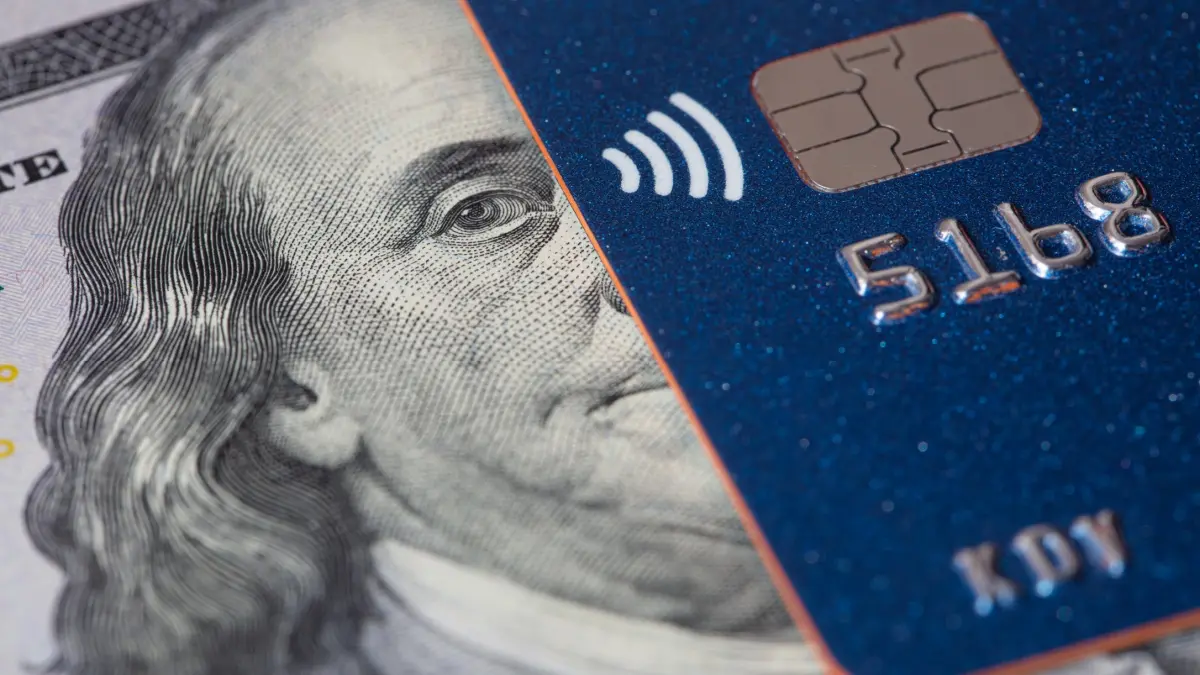
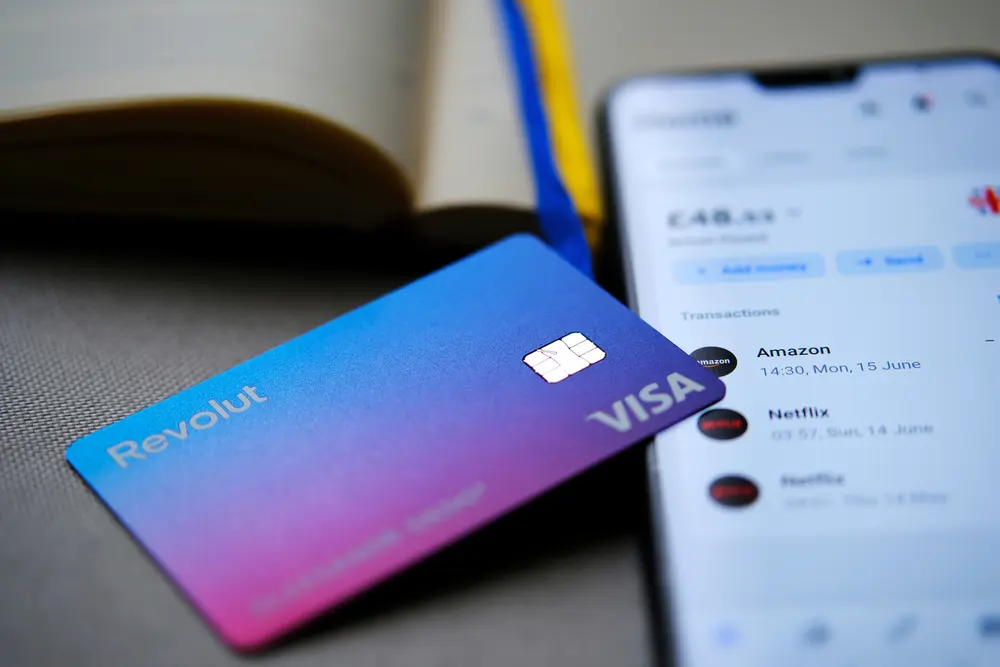
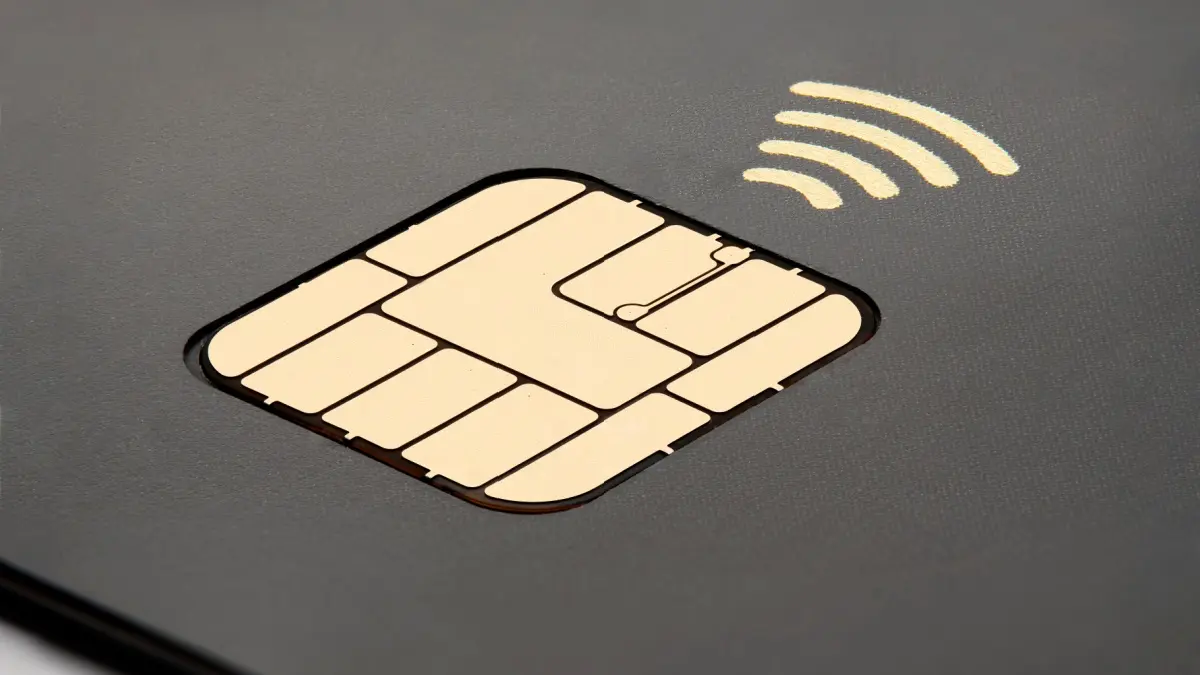
Maryland has started issuing new Electronic Benefit Transfer (EBT) cards equipped with EMV chips and contactless capability, replacing magnetic stripe cards that left benefit recipients exposed to fraud.
EBT cards are used across the US to distribute government benefits , including food assistance and cash support to low-income households.
New cards are being posted to households over the next three weeks, with balances automatically transferred once recipients activate their replacement. The Maryland Department of Human Services will deactivate old cards on 30 September 2026, giving users a few weeks to make the switch over.
Pilot data published by the department shows that 92% of chip card transactions were approved during the testing period, with 98% of Maryland EBT users living within 10 miles of a retailer capable of accepting chip or tap payments.
The pilot generated more than $191,000 in retailer activity and $130,000 in financial activity, with officials describing it as “highly successful”.
EMV chips and Near Field Communication (NFC) technology have been standard in consumer banking for well over a decade, making Maryland a late but welcome addition to a small group of US states that have extended these protections to benefit recipients.
California was the first to roll out chip-enabled EBT cards in 2025, followed by Oklahoma, Alabama, New Jersey, Massachusetts and Michigan. The trend is spreading slowly, with New York eyeing a launch in early 2027 and Arkansas, Oregon and Virginia in the early stages of exploring their own programmes.

A defence against fraud
Maryland’s decision to modernise its EBT system is a response to rising levels of card skimming and benefit theft across the state. Magnetic stripe cards can be cloned relatively easily by organised fraud groups; since 2023, more than $51.7m in benefits have been stolen in Maryland.
The state has had to replace a portion of those stolen funds, adding a financial cost on top of the other economic impact. Money stolen through skimming typically leaves the state, removing it from Maryland’s local economy.
EMV chips aim to address this by generating a unique transaction code for every payment. According to Visa‘s 2018 EMV progress report, card-present counterfeit fraud at chip-enabled merchants fell 76% between 2015 and 2018 as adoption grew across the US.
Fraudsters are likely to adapt, however. One tactic that is expected is fraudsters targeting the transition period, when new cards are being distributed and recipients may be uncertain about what to expect. Maryland officials are urging recipients not to share card details with anyone.
Why Maryland waited to adopt chip cards
Given that the benefits of EMV technology have been known for more than a decade, the delay has led to questions about why states took so long to extend these protections to benefit recipients.
Maryland’s EBT programme had been operating under multi-year contracts with a single vendor, negotiated years before the tech became standard in banking. Those contracts didn’t include requirements for chip-enabled cards or modern fraud prevention features.
Renegotiating or replacing legacy vendor agreements under state procurement rules is a process that takes months or years.
Infrastructure was another constraint issue as many smaller retailers lacked chip-enabled terminals until recently, meaning the state had to wait for the acceptance network to be ready before an upgrade.
Officials said that the transition required coordination across retailers, processors and state agencies, making it more complex than the banking sector’s own change.