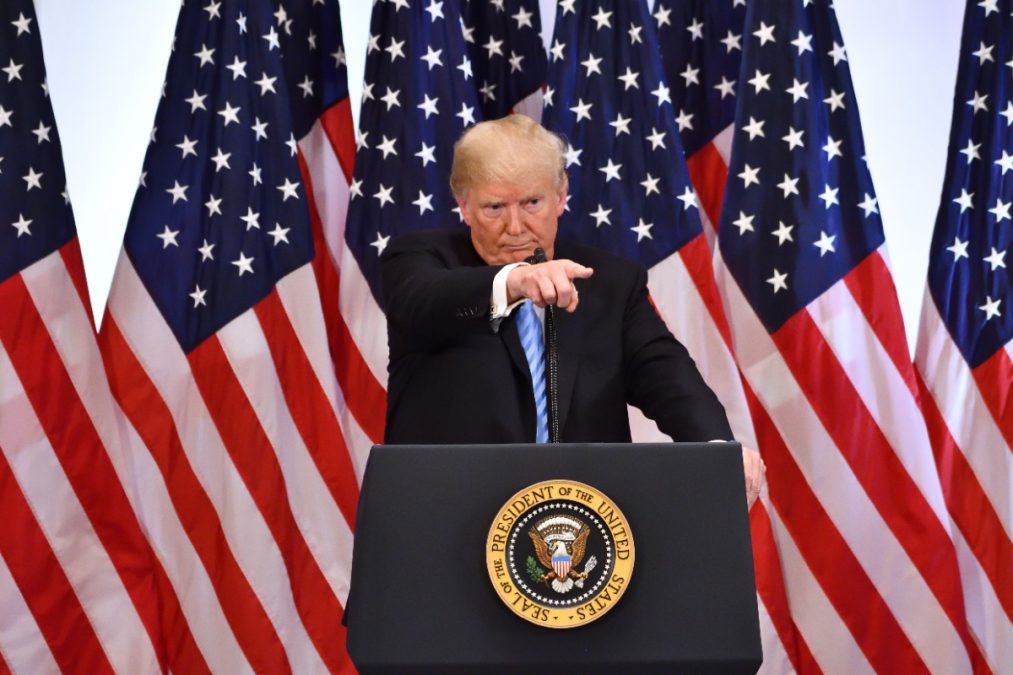
The US President used a post on Truth Social to promise permanent digital asset reforms, as Washington accelerates efforts to reshape crypto regulation, stablecoin oversight and market structure.
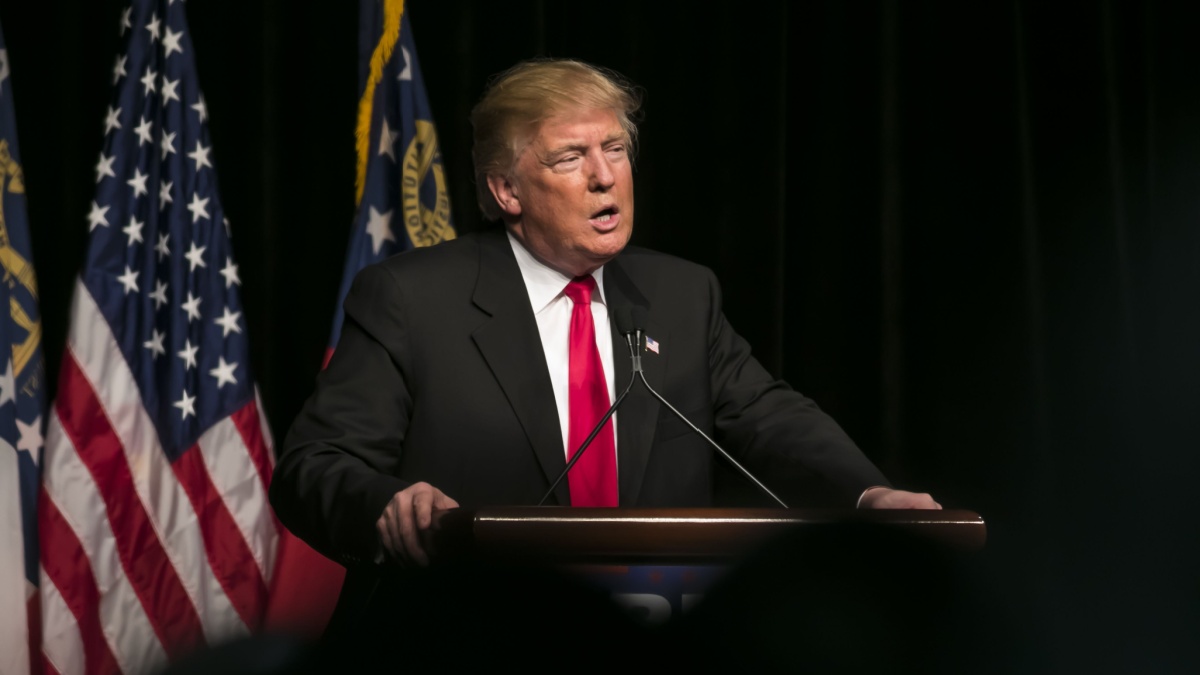
US President Donald Trump has renewed his attack on former Securities and Exchange Commission (SEC) Chair Gary Gensler, claiming previous regulatory policies “nearly destroyed” the American crypto industry by pushing innovation offshore.
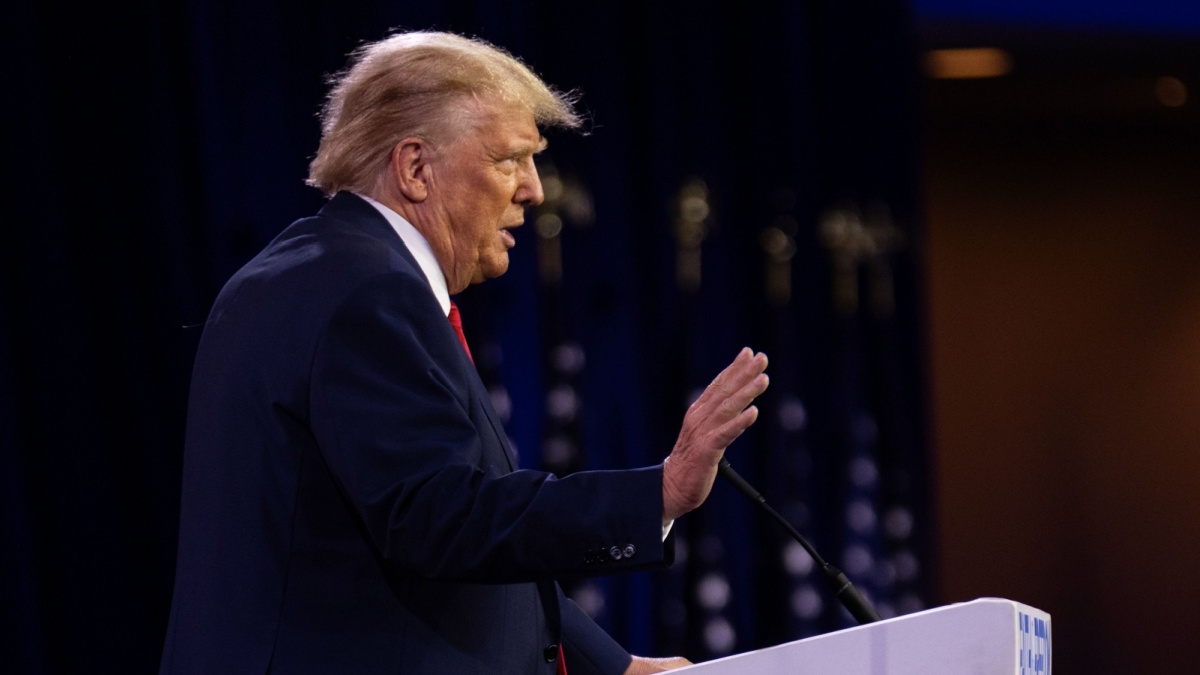
In a post published on Truth Social, Trump stated that the US had become the “crypto capital of the world” under his leadership and pledged to establish a “future-proof” digital asset market structure designed to withstand future political changes.

The comments arrive as Washington continues to move towards a more structured approach to digital asset regulation, with stablecoin legislation, crypto market structure proposals and institutional blockchain adoption all gaining momentum during 2026.
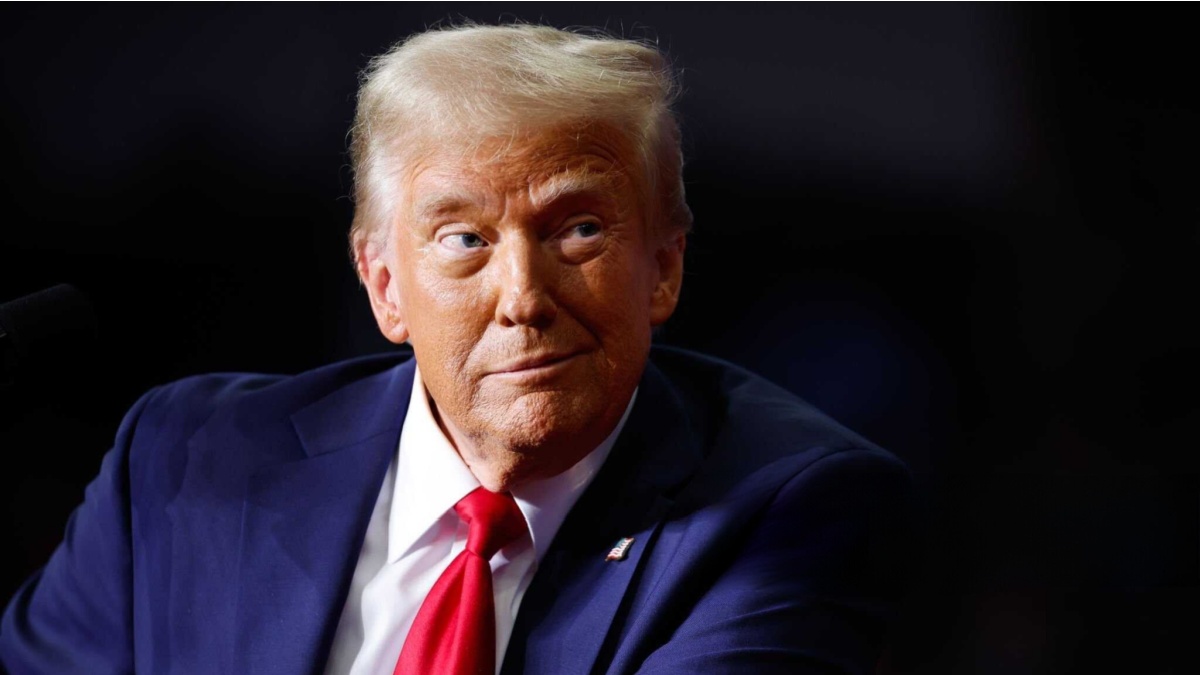
Trump wrote Gensler and the “Anti-Crypto Army” had driven “Bitcoin, Crypto Perpetuals, and INNOVATION offshore”, adding that entrepreneurs were now returning to the US “where they belong”. He also claimed his administration would “NEVER let Crypto down”.
The statement marks another escalation in the increasingly political debate surrounding digital assets in the US, where crypto regulation has shifted from a niche financial issue into a wider discussion around competitiveness, financial infrastructure and dollar dominance.
SEC pressure reshaped the US crypto market
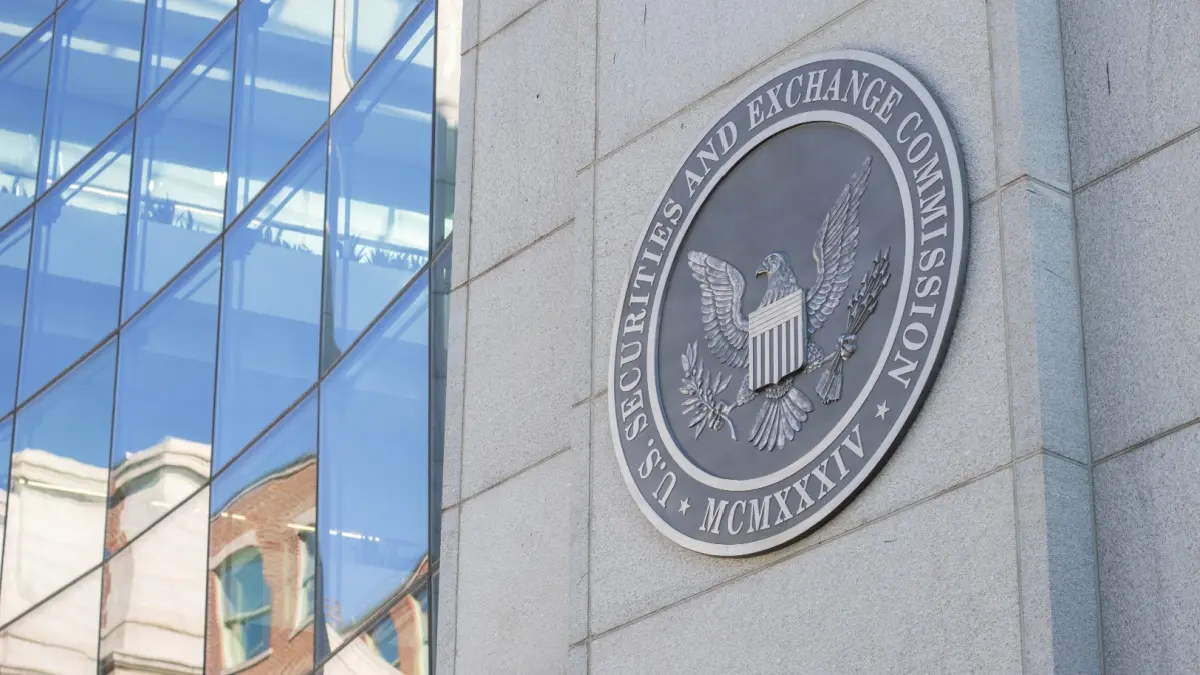
During Gensler’s tenure at the SEC, the regulator pursued a series of enforcement actions against major crypto firms including Coinbase, Binance and Ripple, arguing many digital assets fell under existing securities laws.
The approach drew significant criticism from parts of the crypto industry, which accused the SEC of regulating through enforcement rather than creating dedicated frameworks for digital assets.
Several firms expanded operations internationally during that period, with jurisdictions such as the European Union, Singapore and the UAE positioning themselves as more predictable regulatory environments for crypto businesses.
The introduction of the EU’s Markets in Crypto-Assets (MiCA) regulation further intensified debate around whether the US was losing ground in the race to attract blockchain firms and digital asset investment.
Trump’s latest remarks appear designed to reinforce the idea that the US is now reversing that trend.
Stablecoins move from crypto products to payment infrastructure
While Bitcoin continues to dominate political discussion around crypto, much of the policy focus in Washington has increasingly shifted towards stablecoins and tokenised financial infrastructure.
Stablecoins have become central to discussions around cross-border payments, treasury management and dollar distribution, particularly as payment companies and financial institutions explore blockchain-based settlement systems.
Companies including Stripe, PayPal, Circle and Ripple have all expanded their stablecoin-related strategies over the past year, while traditional financial institutions have accelerated experimentation with tokenised deposits and blockchain settlement rails.
The sector is also receiving greater attention from policymakers concerned about maintaining the global role of the US dollar in a digital financial system increasingly shaped by blockchain infrastructure.
Trump’s comments therefore arrive at a time when crypto policy is no longer being framed solely around speculative trading activity, but increasingly around financial market infrastructure and payment systems.
Washington pushes towards clearer market structure
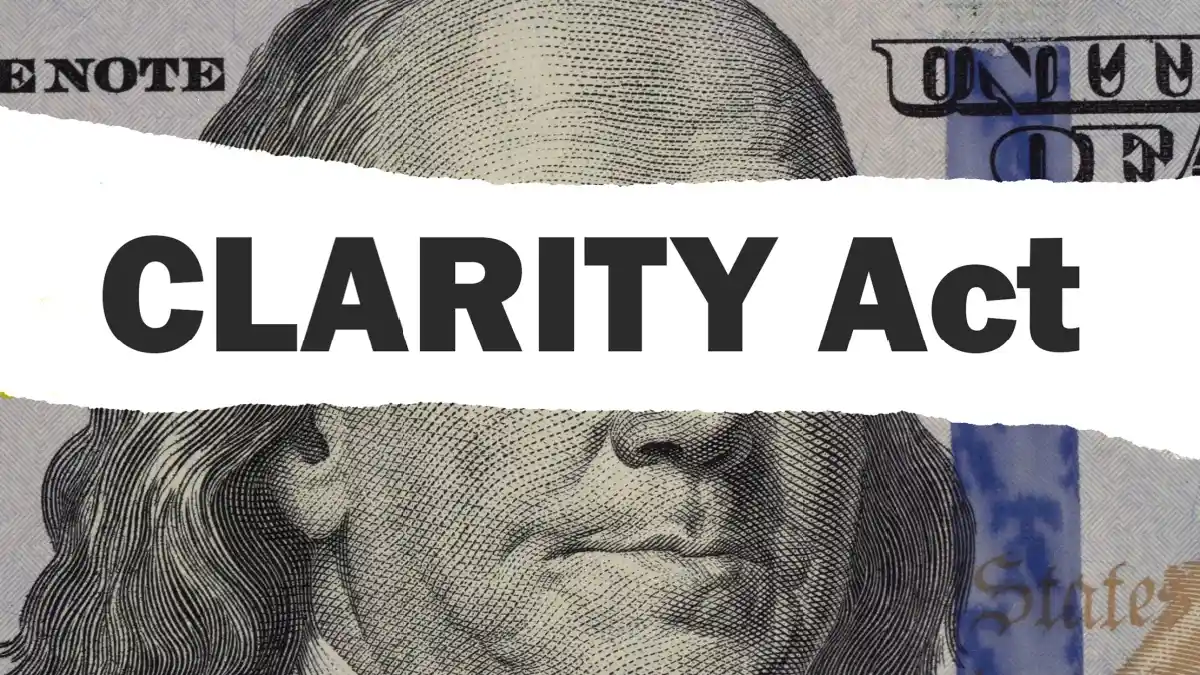
The US government has spent much of the past year debating legislation designed to provide greater clarity around digital asset oversight.
Lawmakers have examined proposals covering stablecoin reserves, issuer supervision and the division of responsibilities between the SEC and the Commodity Futures Trading Commission (CFTC).
Industry participants have argued clearer market structure rules are essential if the US wants to retain digital asset innovation domestically, particularly as global competition intensifies.
At the same time, regulators continue to warn about financial stability risks, consumer protection concerns and the operational challenges associated with integrating crypto assets into mainstream finance.
This tension remains central to the current US crypto debate: how to encourage innovation without weakening financial safeguards.
Trump’s latest intervention suggests the White House increasingly views crypto policy as both an economic and geopolitical issue, particularly as other jurisdictions continue building their own digital asset frameworks.