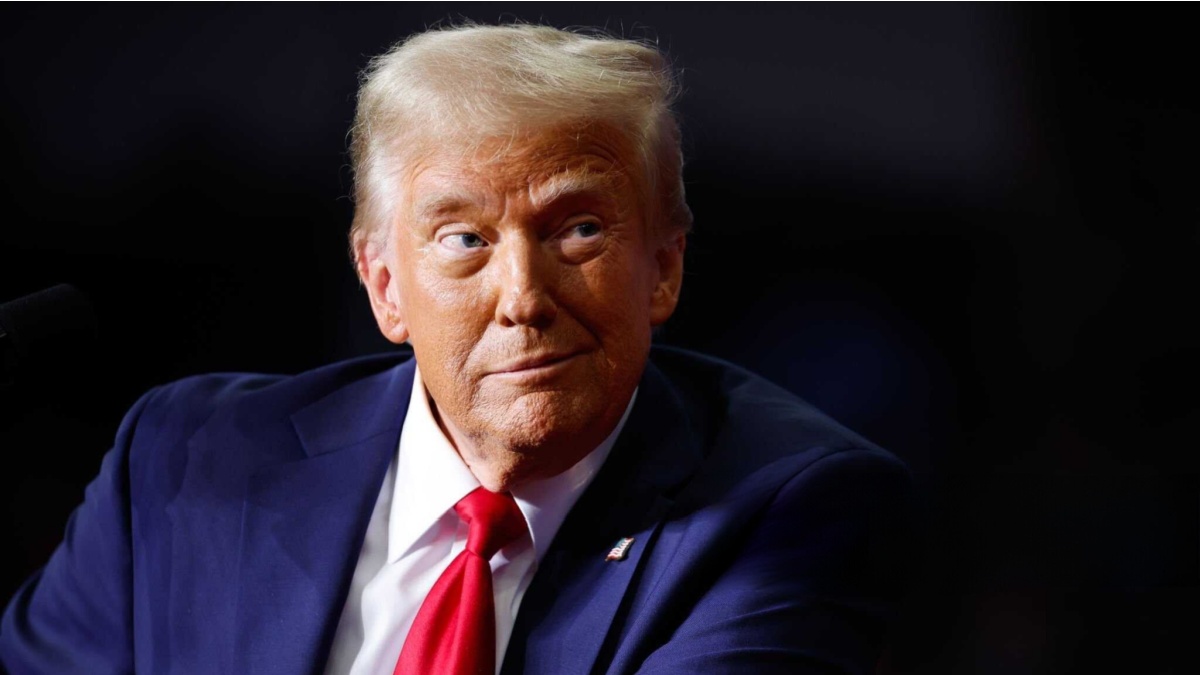
Comments from President Donald Trump and Eric Trump highlight growing tensions between traditional lenders and digital asset firms over yield, market structure and the future of US stablecoin regulation.
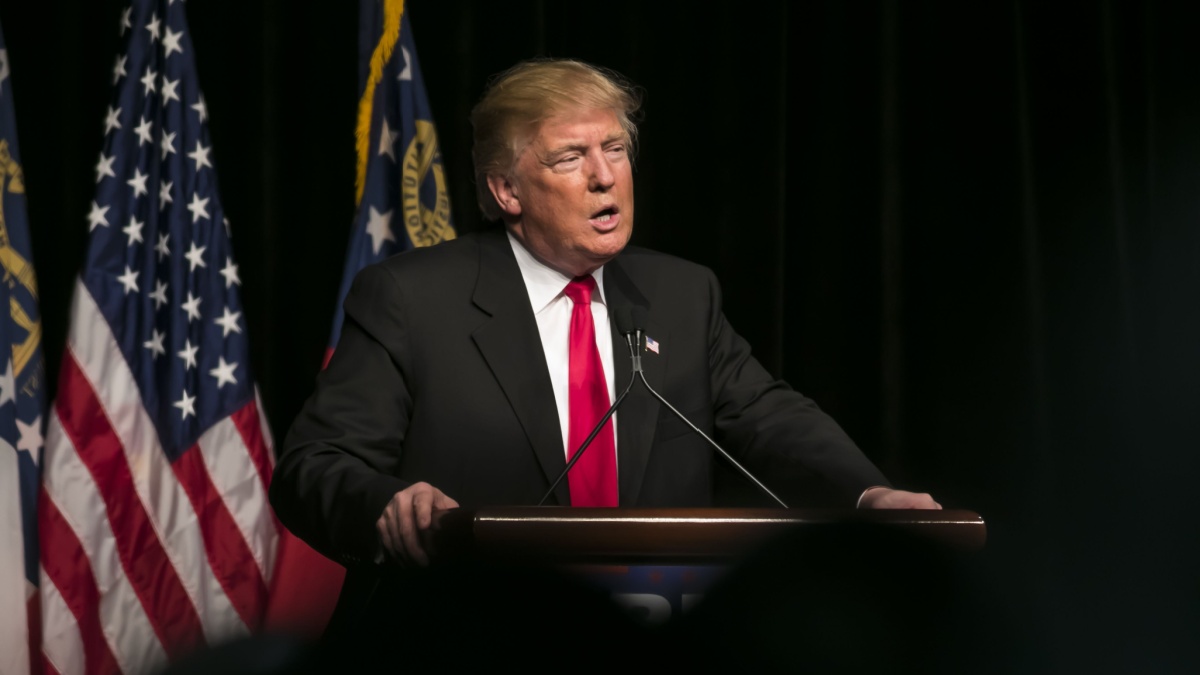
A growing divide between traditional banks and the crypto industry over stablecoin economics has moved into the political arena, after President Donald Trump accused large US lenders of attempting to undermine pending digital asset legislation.
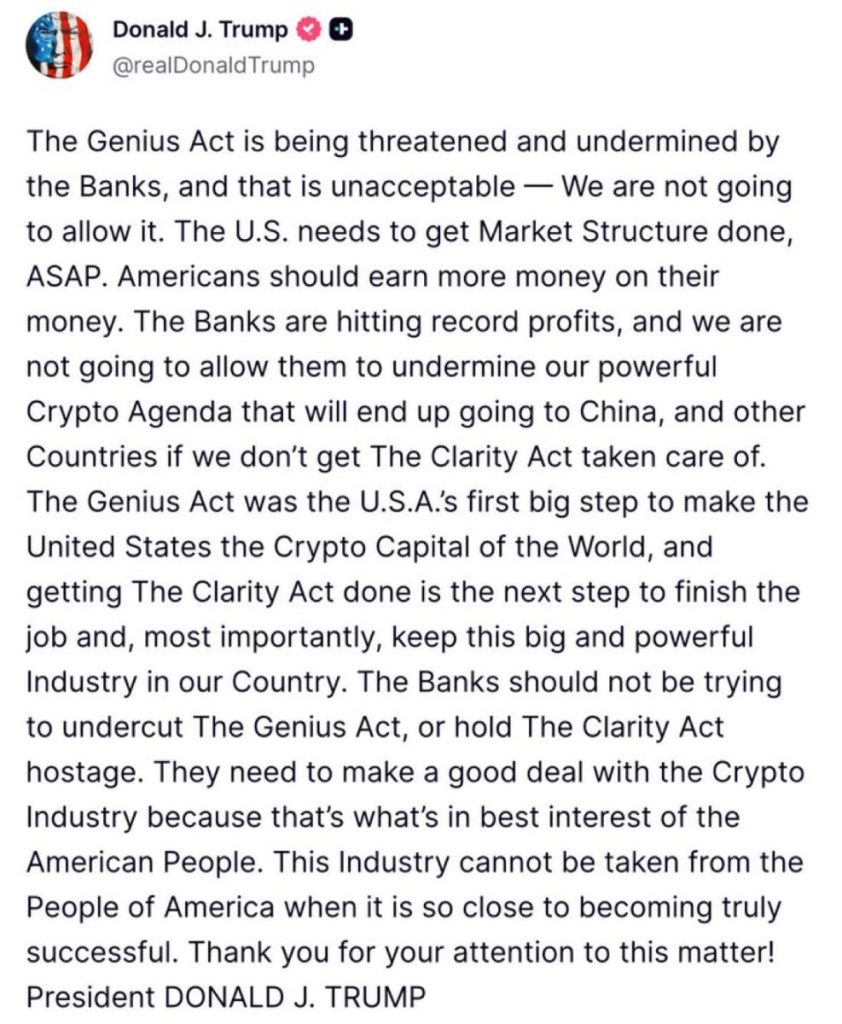
In comments posted on X this week, Trump said the GENIUS Act was being threatened by banks and called for swift passage of broader “market structure” reforms, framing the legislation as critical to ensuring the US remains competitive in digital finance.
The remarks come as senior banking executives have also weighed in on the debate. Speaking to CNBC earlier this week, JPMorgan Chase CEO Jamie Dimon said stablecoin issuers that pay interest on customer balances should face the same regulatory standards as banks, arguing that firms effectively operating like deposit-taking institutions must meet equivalent capital, liquidity and oversight requirements.
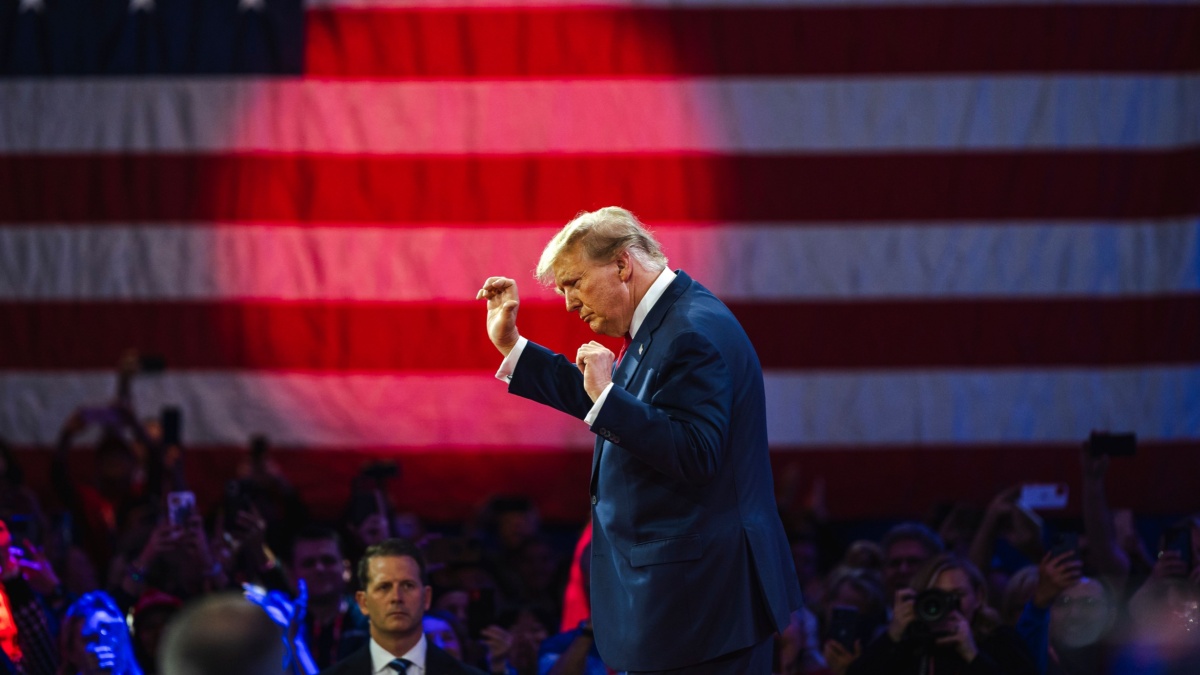
The US President’s comments have been echoed by his son Eric Trump and come at a delicate stage for US crypto regulation. Lawmakers have been attempting to advance a stablecoin framework first, followed by more comprehensive legislation clarifying oversight responsibilities between the Securities and Exchange Commission (SEC) and the Commodity Futures Trading Commission (CFTC).
The proposed GENIUS Act is designed to establish guardrails for dollar-backed stablecoins, including reserve requirements, disclosure standards and issuer supervision. Industry participants have broadly supported the bill as a pathway to regulatory certainty.
The subsequent CLARITY Act – frequently referenced by crypto lobbyists – would define how digital assets are classified and which federal agencies have jurisdiction over exchanges and token issuers.
Trump’s intervention reflects the sequencing long advocated by parts of the industry: secure stablecoin legislation first, then resolve market structure. However, that sequencing has exposed tensions with traditional banks.
The yield question
At the centre of the dispute is whether stablecoin issuers should be permitted to offer yield or pass through returns generated on reserve assets such as US Treasuries.
Banks have raised concerns that yield-bearing stablecoins could function as deposit substitutes, encouraging consumers and businesses to shift funds away from regulated banking institutions. Such a move could affect liquidity profiles, funding costs and the traditional deposit model.
Eric Trump’s comments criticised banks for offering “near-zero yields” on retail accounts, suggesting that crypto platforms could deliver better returns and enhanced rewards through blockchain-based financial products.
While no final legislative language has been agreed upon, industry advocates argue that limiting yield functionality would reduce stablecoins to narrow payment instruments, rather than allowing them to compete more directly with money market funds or digital savings products.
Banks push for regulatory parity
Dimon’s comments highlight the central fault line emerging in Washington’s stablecoin debate: whether digital asset firms should be allowed to offer yield on customer balances without being regulated like banks.
In the interview, Dimon drew a distinction between rewards tied to transactions and interest paid on stored balances. While banks could accept crypto platforms offering incentives linked to payment activity, he said companies paying interest on held funds were effectively acting as banks.
“Rewards are the same as interest,” Dimon said. “If you are going to be holding balances and paying interest, that’s the bank. You should be regulated by a bank.”
Dimon argued that a “level playing field by product” should guide regulation, meaning firms offering similar financial services should operate under comparable oversight. That would include capital and liquidity requirements, anti-money laundering controls and federal deposit insurance obligations.
The JPMorgan chief said banks support competition and innovation, noting that the lender itself uses blockchain technology in its payments infrastructure and has developed a deposit token for institutional clients.
But he warned that allowing interest-bearing stablecoins to operate outside the banking regulatory framework could shift risks beyond the traditional financial system.
Payments infrastructure and dollar strategy
Beyond retail yield, the debate has implications for the future of US payments infrastructure.
Stablecoins have become a significant settlement layer in global digital asset markets and are increasingly used in cross-border transfers, remittances and treasury operations. Proponents argue that clear regulation would reinforce the dollar’s dominance in digital markets and prevent offshore jurisdictions from setting the rules.
President Trump framed the issue in geopolitical terms, warning that failure to pass legislation could see innovation migrate overseas.
That language mirrors broader policy discussions in Washington, where digital assets are increasingly viewed through the lens of strategic competition, alongside artificial intelligence and semiconductor supply chains.
Bank lobbying and legislative timing
Banking groups have previously urged lawmakers to ensure stablecoin frameworks include robust prudential standards, clear custody rules and restrictions that prevent regulatory arbitrage between crypto issuers and insured depository institutions.
The extent to which banks are actively opposing specific provisions of the Genius Act remains subject to negotiation. However, policymakers have acknowledged privately that differences remain over reserve composition, issuer eligibility and capital treatment.
Trump’s public comments may add political pressure at a time when committees are weighing amendments and procedural pathways.