The US is implementing a new cybersecurity regime, Cyber Strategy for America, in a bid to protect vulnerable users from fraud and cybersecurity attacks, as well as safeguarding its position as the crypto capital of the world.
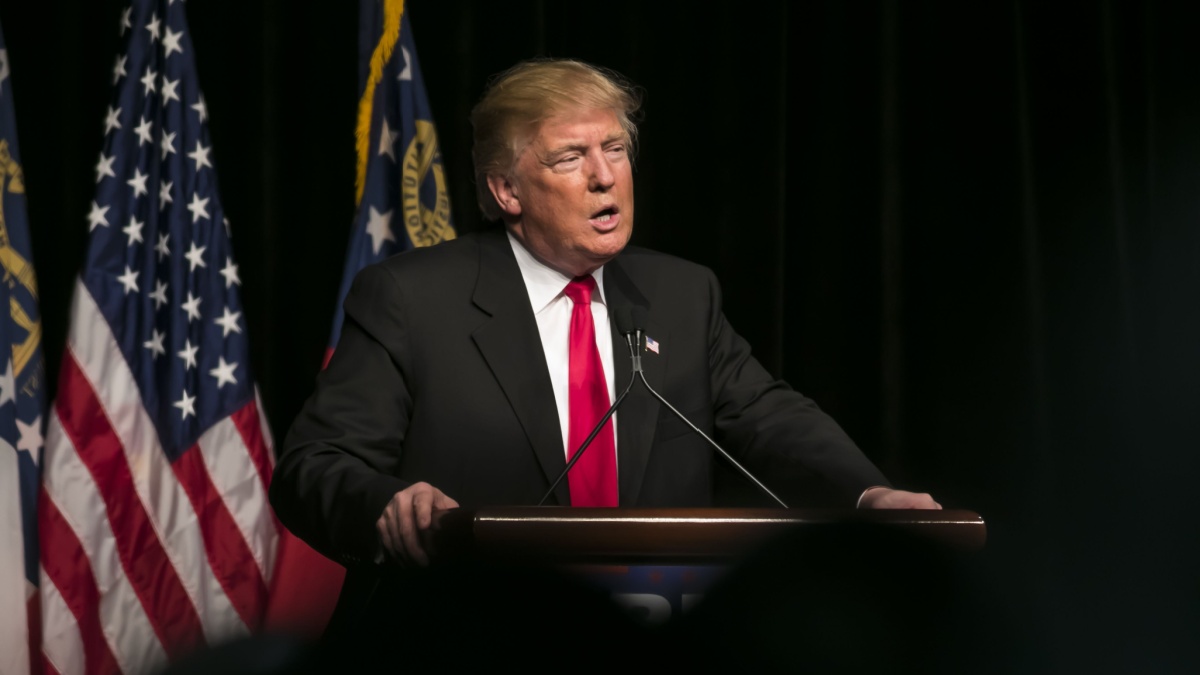
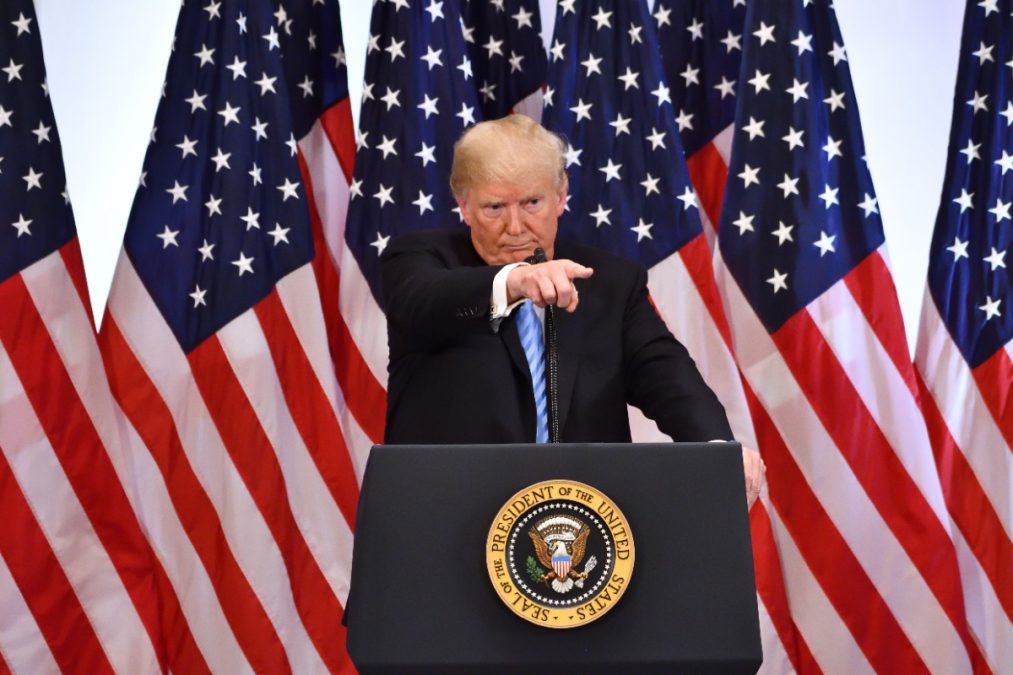
US President Donald Trump has signed an executive order to stamp out financial fraud and scams through the creation of a new task force between Homeland Security and the National Coordination Centre (NCC).
Trump signed the order on 6 March, intending to combat cybercrime, fraud, scams and other cyber-enabled crime targeting US citizens and businesses, under the ‘Cyber Strategy for America’ regime.
Homeland Security has been ordered to partner with NCC to provide training and technical assistance, in order to create a new operational cell within the NCC to become a dedicated arm of the organisation in preventing, disrupting and investigating cybercrime.
The Attorney General will submit a recommendation for the formation of a Victims Restoration Programme, designed to help financial fraud and cybercrime victims return stolen funds from fraudsters.
The Secretary of State will also be tasked with engaging with global governments to take enforcement action over transnational criminal organisations. The Secretary has been implored to take action against these organisations conducting illicit activities in the US through the cooperation of other governments, such as visa restrictions, sanctions and foreign assistance limits.
Some of the most prevalent fraud and cybercrime the White House defined as ‘predatory schemes’ affecting US citizens include ransomware attacks, phishing schemes, financial fraud sextortion schemes, and impersonation scams.
The White House also took aim at countries supporting or willingly participating in these illicit activities, creating shadow economies to enact coercion, stolen identities and human trafficking.
The Commodity Futures Trading Commission (CFTC) Chairman, Michael Selig, posted on X his support for the Cyber Security for America act.
“President Trump’s Cyber Strategy for America makes it a national priority to secure crypto networks and protocols against cyber threats. This is critical as the CFTCmodernises its rules and regulations for on-chain markets.”
Facts/figures behind the Cybersecurity Order
The US government identified children, older people and families on low-incomes as some of the most vulnerable to cyberattacks and fraud scams.
These demographics have been targeted; from stealing life sayings and benefits of years of work, and with the development of emerging technologies such as AI becoming increasingly sophisticated, it is now becoming easy to deceive vulnerable people.
Elderly people lost the most amount of money due to cyber-related fraud, according to the government. Stolen funds amounted to $12.5bn in 2024, with 87% of older people viewing online scams as a major problem, according to the government.
Also in 2024, 73% of Americans stated they have experienced some kind of online scam in the year. One in seven young people admitted having experienced sextortion which has resulted in harming themselves in response.
New protections for crypto and AI
Within Trump’s ‘Cyber Strategy for America’, the President outlined new secure technologies and supply chains to be implemented across blockchain and cryptocurrency infrastructure and AI technology stacks.
The US will introduce and promote the usage of post-quantum cryptography, a blockchain algorithm designed to protect assets from quantum computers. This process replaces vulnerable public keys with lattice-based cryptography to prevent keys from being stolen or broken.
As Trump has his sights set on establishing the US as the crypto capital of the world, crypto crime continues to remain highly prevalent.
Recently, as revealed in Chainalysis’ latest report issued on 5 March, the total illicit transaction volume rose to a record $154bn as nation states such as Iran and North Korea retrieved billions last year as their national financial infrastructures and policy objectives shift towards the digital assets sector.
The value of illicit funds received by sanctioned entities increased by 694% in 2025, with the Islamic Revolutionary Guard Corps and its networks stealing $3bn in transfers, while North Korea made up to $2bn in stolen assets, its most for a year.
The US is also placing a greater emphasis on securing its AI technology stacks by implementing AI-enabled cyber tools to detect, divert and deceive bad actors using sophisticated AI models to conduct ransomware, impersonation scams and more.
Agentic AI will also be deployed to secure data infrastructure and stamp out foreign AI platforms the US believes misleads and censors citizens.