The President’s 2026 State of the Union avoided crypto and payments reform, but proposals on fraud, tariffs and healthcare could alter federal revenue and disbursement flows.
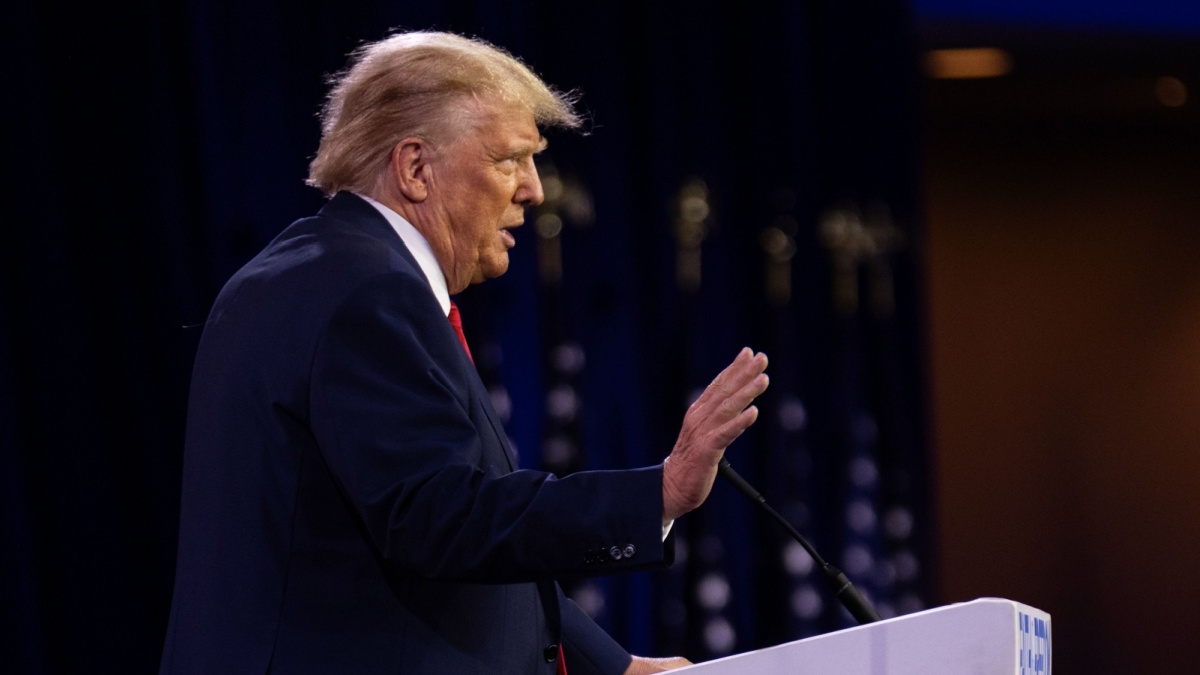
President Donald Trump used his 2026 State of the Union address to formally announce a “war on fraud”, placing federal spending oversight at the centre of his domestic agenda.
“Tonight… I am officially announcing the war on fraud,” Trump told lawmakers on 24 February, adding that the initiative would be led by Vice President JD Vance. He suggested that identifying and eliminating fraudulent activity could have significant fiscal consequences, stating that “if we’re able to find enough of that fraud, we will actually have a balanced budget overnight.”
The speech did not outline specific legislative proposals tied to fraud enforcement, nor did it reference payments infrastructure directly. However, the focus on fraud places renewed emphasis on federal and state disbursement systems, which underpin large volumes of public sector payment flows.
Public benefits, grant funding and other government outlays are administered through established banking and settlement channels. Any expansion of oversight or audit activity could affect the administration of those programmes, though no operational detail was provided in the address.
Tariffs and income tax remarks
Beyond fraud, Trump made a statement that could have implications for federal revenue collection. He said he believed tariffs “will… substantially replace the modern-day system of income tax”.
The remark was made in the context of defending his trade policy and tariff strategy. Trump said that tariffs had generated “hundreds of billions of dollars” and argued that foreign countries were bearing the cost.
He did not set out a timetable or legislative framework for replacing income tax revenue, nor did he clarify how such a shift would be structured within the existing federal tax system.
Federal income tax is currently collected through employer payroll withholding, quarterly estimated payments and corporate remittances. Tariffs, by contrast, are collected at ports of entry through customs and trade systems. Any structural change would therefore require legislative action and adjustments across Treasury and customs collection mechanisms, though these were not detailed in the speech.
Healthcare payment comments
Trump also criticised the structure of the Affordable Care Act and insurance markets, stating that he wanted to “stop all payments to big insurance companies and instead, give that money directly to the people so they can buy their own health care”.
He further highlighted his “Most Favored Nation” prescription drug pricing policy, saying Americans would now pay “the lowest price anywhere in the world for drugs” under agreements he described as newly enacted.
The speech did not include legislative text or operational guidance on how funds would be redirected from insurers to individuals. Healthcare financing in the US involves federal programmes, private insurers, providers and pharmacy benefit managers, all operating through established settlement systems. Any change to that structure would require regulatory and statutory adjustments.
Retirement contribution proposal
In another domestic policy announcement, Trump said his administration would match retirement contributions by up to $1,000 annually for workers without employer-sponsored plans.
“We will match your contribution with up to $1,000 each year,” he said, positioning the measure as a way to extend benefits similar to those available to federal employees.
No legislative vehicle or funding mechanism was specified in the address. Federal matching contributions would, if enacted, increase government disbursements into private retirement accounts, which are administered through banks and custodians.
No reference to stablecoins or crypto
Notably, the speech did not reference digital assets, cryptocurrency regulation, stablecoins, central bank digital currency or real-time payments infrastructure.
There was no mention of the Federal Reserve’s FedNow service, cross-border settlement reform or open banking initiatives.
This omission comes amid ongoing debates in Washington over digital asset frameworks and stablecoin legislation. However, the State of the Union focused primarily on trade, border policy, healthcare, military spending and domestic crime, rather than financial technology reform.
Throughout the address, Trump emphasised border enforcement, domestic crime policy and foreign affairs. He reiterated support for Social Security and Medicare and defended his tariff strategy, but did not outline new financial sector regulation or payments modernisation initiatives.
The full State of the Union address can be watched below: