A criminal investigation involving Federal Reserve Chair Jerome Powell could cause delays in electing his replacement.
US President Donald Trump has moved closer to installing his preferred candidate, Kevin Warsh, as the next Chair of the Federal Reserve.
The Trump administration officially nominated Warsh as Chairman of the Board of Governors of the Federal Reserve for a four year term on 4 March, as well as a Member of the Board of Governors of the Federal Reserve for a term of fourteen years.
Warsh, if confirmed, would lead the US central bank and oversee monetary policy, including decisions on interest rates, inflation management, and financial stability. The position also involves spearheading the Federal Reserve’s regulatory approach toward banks and financial markets.
However, the nomination must first pass through the Senate Banking Committee before it can proceed to a full Senate confirmation vote. The process could face delays, with some committee members indicating they may refuse to confirm Warsh until a criminal investigation involving current Chair Jerome Powell is concluded.
Trump has repeatedly expressed confidence in Warsh’s potential leadership of the central bank. In past interviews about Warsh, Trump predicted he would “go down as one of the GREAT Fed Chairmen” in history, adding he “maybe the best”.
A thorn in Trump’s side
The Federal Reserve’s main responsibility is setting interest rates in order to control inflation and support economic growth. Trump has been vocal in recent months about his dissatisfaction with how the central bank has handled these decisions.
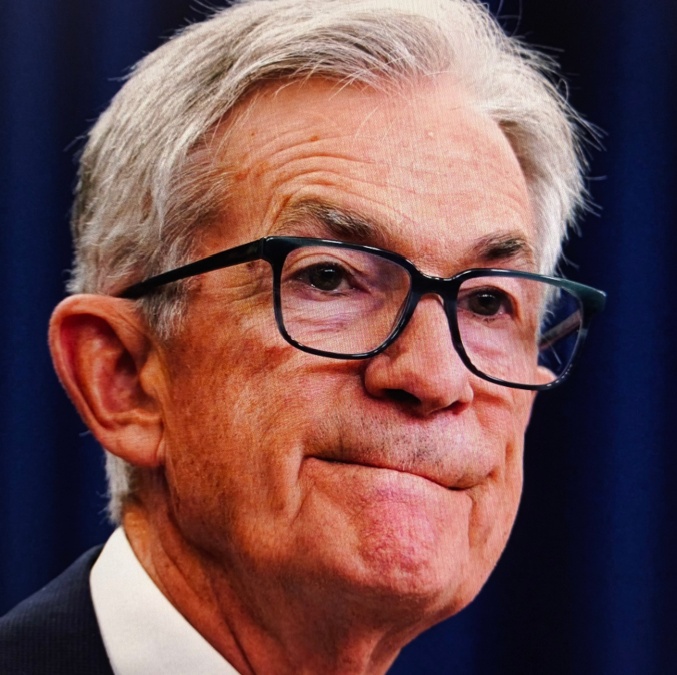
Much of this frustration has been directed at current Chair Powell, who Trump nominated for the position in 2018.
Despite Powell being a Trump nominee, the relationship between the two has deteriorated significantly. Trump has even taken his criticism to a personal level, calling the central banker names like “major loser” and a “numbskull”.
While the President may be eager to see Powell replaced, removing him is not looking straightforward.
On 11 January, the Justice Department issued a subpoena to the Federal Reserve related to Powell’s Senate testimony last June concerning the central bank’s $2.5bn building renovation project.
Powell has suggested the scrutiny may stem from Trump’s frustration over the pace of interest rate cuts, though the President has stressed he does not know anything about the investigation.
Why Warsh is the man
Trump has made little effort to hide his admiration for Warsh, and one reason may be Warsh himself has been openly critical of the Federal Reserve’s decisions.
Warsh previously said the central bank had handled inflation “poorly” and warned US fiscal policy was on a “dangerous trajectory”. He has also called for a regime change at the central bank.
Much of that criticism comes from Warsh’s belief that the Federal Reserve has become too involved in “politically charged issues.”
“The more the Fed opines on matters outside its remit, the more it jeopardises its ability to ensure stable prices and full employment,” he said.
Warsh brings significant experience to the role, having previously served as a member of the Federal Reserve Board of Governors between 2006 and 2011, including during the global financial crisis.
However, he has also at times been viewed by some economists as favouring higher interest rates. That reputation may have contributed to Trump not selecting him for the role during his first presidency, despite the President describing him as a “low interest rate guy.”
Where does Warsh stand on CBDCs?
Central bank digital currencies (CBDCs) have become a big talking point in global payments, with Europe moving forward with plans for a digital euro.
The US has taken a very different stance and Trump has been one of the most outspoken critics of a potential digital dollar.
In January 2025, he signed an executive order prohibiting federal agencies from issuing or supporting a “digital dollar”, arguing CBDCs could threaten individual privacy, financial stability and US sovereignty.
Further barriers may be emerging in Congress, as Senate legislative text for the 21st Century ROAD to Housing Act was found to include a new section titled ‘Title X — Central Bank Digital Currency’.
The proposal would amend the Federal Reserve Act to introduce a temporary ban on issuing a CBDC, set to expire on 31 December 2030.
The text states: “Except as provided in subsection (c), the Board of Governors of the Federal Reserve System or a Federal Reserve Bank may not issue or create a central bank digital currency or any digital asset that is substantially similar to a central bank digital currency directly or indirectly through a financial institution or other intermediary.”
Warsh appears aligned with this approach, arguing central banks should avoid becoming directly involved in retail financial products.
“It is the decision of Congress, the decision of the Executive Branch. If they want to create a US dollar stablecoin, if they want to have a CBDC, that’s their decision. And if it’s a retail product, I wouldn’t very much want the central bank to be too involved in that,” said Warsh.